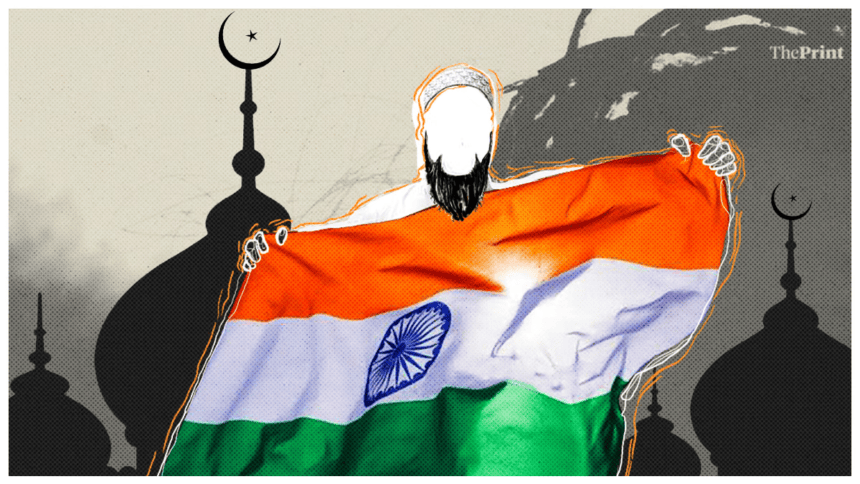

The current socio-political landscape in India reflects rising challenges for the Muslim community under the governance of the Bharatiya Janata Party (BJP) and its associated organizations. Discrimination, social exclusion, and economic marginalization continue to affect Muslims, highlighting a significant shift in their political position and identity within the nation.
Historical Context of Marginalization
In the aftermath of India’s independence, Muslims occupied prominent positions in both governance and society. However, since the 2014 electoral rise of the BJP, many Muslims have found themselves increasingly isolated within a narrative that emphasizes Hindu supremacy. The withdrawal of various protests, led by groups that had hoped to counteract this trend, serves as a case study in their growing marginality. The sentiment among many Muslim leaders is one of disillusionment, as they recognize an erosion of their political clout, which once thrived during the era of secular governance.
The Rise of a New Political Identity
The latest protests aimed at challenging the government’s policies may have initially appeared as a unifying force. Yet, the lack of direct participation from key Muslim figures indicated a strategic retreat. Many Muslim thought leaders now find themselves sidelined in favor of narratives that resonate with a broader audience. Observers note that the community’s ideological concerns no longer align with India’s current political landscape, particularly among younger generations who are increasingly disengaged from traditional religious identifiers. This distancing has forced the community to reconsider its relationship with electoral dynamics and the efficacy of political engagement through a cohesive, religious identity.
Implications for Minority Rights and Representation
The erosion of Muslim political power raises critical questions regarding minority rights and representation in India. Historical grievances often return to the surface, as the community grapples with the perception of being a minority. As the BJP consolidates its position, Muslims are caught between the desire for equality and the harsh reality of political disenfranchisement. The categorization of Muslims in political discourse has shifted from specific identification to generalized references like “minorities,” obscuring their unique cultural and social identity. This transformation has ramifications for how policies are crafted and implemented in a secular framework, which fundamentally challenges the community’s ability to advocate for its own interests effectively.
Why It Matters
Understanding the marginalization of Muslims in India is crucial for broad discussions surrounding democracy, human rights, and social justice in diverse societies. As political narratives shift, the implications extend beyond the borders of India, impacting international perceptions of democratic values and minority rights. The evolving role of minority communities in the political landscape can inform strategies for inclusive governance in other democratic nations that face similar challenges. Furthermore, the analysis of disenfranchisement can serve as a reference for civil society movements looking to unite diverse groups based on common concerns rather than religious or ethnic identities.
Frequently Asked Questions
What has changed for Muslims in India since 2014?
Since the BJP’s rise to power in 2014, Muslims have experienced increased social and political marginalization, with many feeling excluded from mainstream narratives and political participation.
How do current protests reflect Muslim engagement in politics?
Recent protests have shown that while some Muslim leaders participated, many chose to maintain a strategic distance, reflecting a growing recognition that traditional political engagement may not yield desired results.
Why is the term ‘minority’ significant in the context of Indian politics?
The term ‘minority’ shapes political discourse and influences how policies are framed. As Muslims are increasingly referred to simply as ‘minorities,’ their unique identity and issues may be overlooked, complicating their advocacy efforts.
What role do intellectuals play in addressing Muslim issues today?
There is a call for a new generation of intellectuals within the Muslim community to address contemporary issues and provide a more adaptive framework for identifying and pursuing their interests as integral members of Indian society.