
Ashfaq Mohiuddin’s Mission to Uplift Communities Through Education
Ashfaq Mohiuddin, a Gurnee area native, has spent over two decades working to uplift marginalized communities through education and resource availability. Recognizing the challenges faced by African American and Latino populations in areas like Waukegan, he founded the Urban Muslim Minority Alliance (UMMA), which has since evolved to offer a range of services from GED classes to a grocery-style food market, addressing the multifaceted needs of the community.
Addressing Educational Disparities in Illinois
Beginning as a volunteer teacher for General Educational Development (GED) classes in Chicago, Mohiuddin identified a pressing need for similar programs in northeast Lake County. The statistics from nearby cities, where high school dropout rates were alarmingly high, prompted him to initiate a GED training program that evolved into UMMA.
Since its inception in 2004, UMMA has transitioned from a small tutoring center into an organization providing education and resources aimed at self-sufficiency. Situated in Waukegan, where both the mayor and community leaders highlighted the organization’s alignment with local needs, UMMA now offers a free grocery store, affordable housing solutions, and plans to convert a former school into a community center.
Executive Director Hamaas Ibrahim, who began as a volunteer with UMMA, emphasized the significance of providing career-oriented learning, such as Microsoft Office programming and English as a second language classes. This approach not only aids individuals in gaining employment but also enlarges their earning capacity through bilingual job opportunities.
From Education to Economic Empowerment
UMMA’s mission has expanded beyond education. Understanding that GED graduates require further support, the organization has implemented programs for financial literacy, job placement, and affordable housing initiatives. After realizing the need for larger homes, UMMA reported achieving its goal of securing three houses in just 18 months, significantly ahead of schedule.
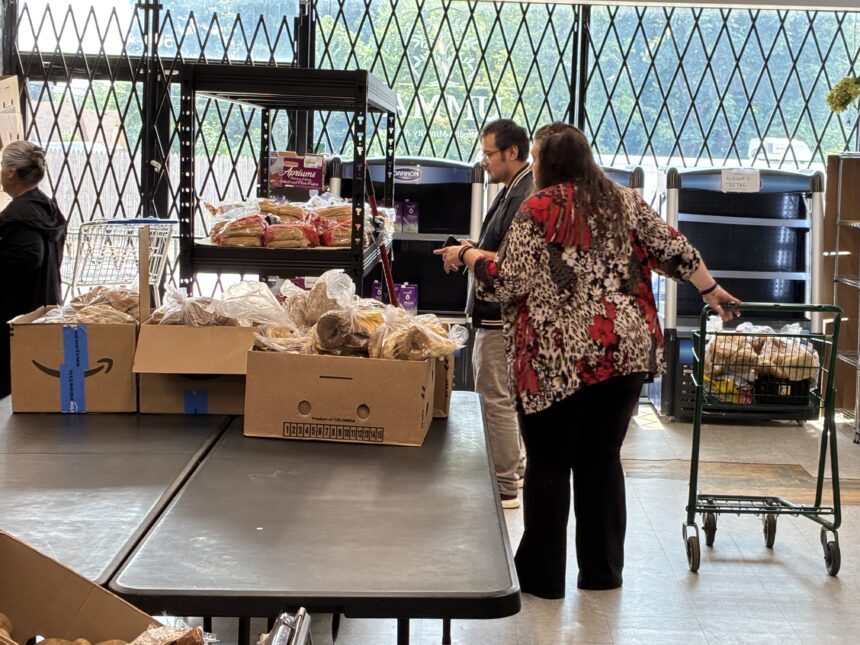
The launch of the Harvest Market serves as a model for blending educational opportunities with essential services. As it allows approximately 600 community members each week to select their groceries in a grocery-style setting, it reflects a paradigm shift in how aid is distributed. Shoppers can choose their produce rather than receiving pre-packaged boxes, reducing food waste and improving food security.
Future Aspirations and Community Integration
Looking forward, UMMA is on a path to expand its offerings. Ibrahim mentioned plans to convert a former Catholic school into an adult community center, which aims to not only provide educational resources but also holistic wellness and community-building initiatives. These aspirations include plans for career pathways into trades and artificial intelligence education, thus equipping local residents with vital skills for the 21st century.
The push for wraparound services highlights a strategic approach to community development, seeking to cover all essential aspects of life for residents in a food desert. By enriching lives in Waukegan, UMMA demonstrates the power of grassroots initiatives in overcoming socio-economic barriers.
Why It Matters
The work of UMMA illustrates a critical intersection of education and community service that is particularly relevant in today’s socio-economic climate. With government programs often underfunded, local organizations like UMMA step in to fill the gaps, especially for marginalized populations. By addressing education, food security, housing, and community health, UMMA not only boosts individual lives but also contributes to a more inclusive economy. This model could serve as a blueprint for other communities grappling with similar challenges, making it a significant case study for policymakers, educators, and community leaders globally.
Frequently Asked Questions
What services does UMMA provide?
UMMA offers GED classes, job placement programs, financial literacy courses, and a free grocery store known as the Harvest Market. They also provide affordable housing solutions.
How has UMMA evolved since its inception?
UMMA began as a small tutoring center and has grown into a multifaceted organization that addresses various community needs, including education, food security, and housing.
What is the significance of the Harvest Market?
The Harvest Market allows community members to select their groceries in a grocery-store format, promoting dignity and reducing food waste. It serves around 600 shoppers weekly.
How is UMMA planning for the future?
UMMA aims to transform a former Catholic school into an adult community center that will offer new educational programs, a wellness center, and trade pathways, enhancing community engagement and skill development.