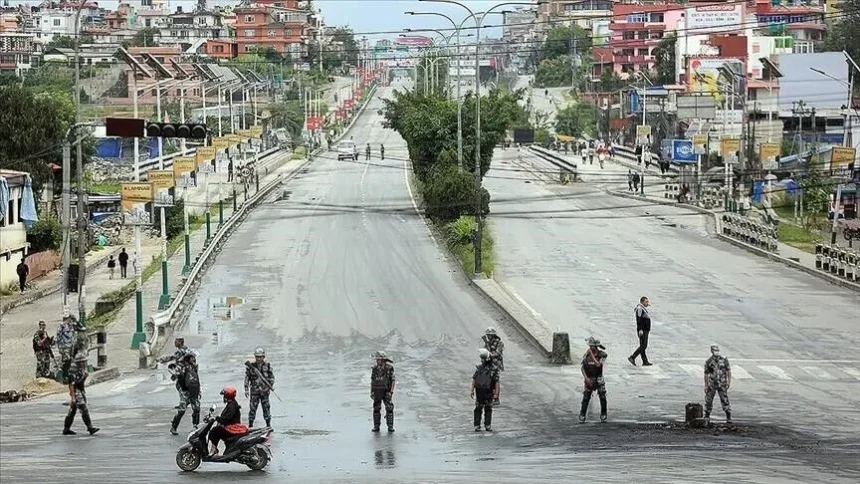

Escalating Communal Violence in Nepal: A Concerning Trend
The recent wave of violence targeting the Muslim community in southern Nepal underscores an alarming rise in communal tensions, mirroring a broader trend of discrimination and marginalization faced by Muslims in neighboring India. Hindu mobs attacked mosques, businesses, and homes, leaving at least three dead and prompting widespread curfews as the unrest spread from Sunsari district into neighboring areas.
Attacks on Religious and Economic Spaces
Video evidence has emerged showing mobs engulfing Muslim-owned businesses in flames and vandalizing religious sites. One of the most harrowing incidents involved a mob chanting “Jai Shri Ram” as they set fire to a Muslim repair shop in Sunsari, paralleling attacks seen in India where similar slogans are often associated with Hindu nationalism and aggression against minorities.
The violence escalated significantly when a historic mosque in Koshi Rural Municipality was desecrated by members of the Hindu Samrat Sena, who were reportedly seen burning copies of the Quran and assaulting worshippers inside. Such incidents not only demonstrate a blatant disregard for religious sanctity but also reflect systemic efforts to exclude and undermine the Muslim community’s socioeconomic fabric.
Widespread Societal Impact
The trauma inflicted extends beyond immediate violence, impacting local economies and social trust across communities. In areas like Golbazar, where the home of a local Muslim chairperson was burned, the broader implications for political representation and community cohesion become evident. Reports indicate substantial economic losses for Muslim business owners, as mobs not only vandalized but also looted shops, contributing to a cycle of economic despair.
This cycle of violence and economic boycott against Muslim communities, partly fueled by communal rhetoric from nationalist groups, raises questions about the future of social harmony in Nepal and beyond. As curfews were imposed and hundreds of security personnel deployed to restore order, the lasting ramifications of these events could destabilize intercommunal relationships in an already fragile societal framework.
Government Response and Accountability
Prime Minister Balendra Shah’s response came only after several days of violence, promising an impartial investigation and accountability for the perpetrators. However, the delayed government intervention raises concerns about the effectiveness of authorities in safeguarding minority rights and maintaining public order. The lack of immediate action suggests that systemic biases may prevail, potentially undermining trust in governance among marginalized groups.
As communal violence resonates with similar events in India—often seen as part of a broader agenda of social exclusion against Muslims—the governance model and priority for equal citizenship rights in Nepal face critical evaluations. The situation begs the question: how can governments ensure the protection of all citizens, regardless of their faith or ethnic background?
Why It Matters
This pattern of violence and discrimination has significant implications for social stability within myriad societies. It encapsulates issues of minority rights, religious freedom, and economic inclusivity—key factors for robust democratic governance. Understanding the motivations behind such violence is crucial not only for safeguarding human rights but also for fostering inclusive economic growth. When communities are sidelined, the overall societal fabric is at risk, impacting both local and national development.
Frequently Asked Questions
What sparked the recent communal violence in Nepal?
The communal violence began on July 26, 2023, over a dispute regarding loud music and religious flags during a Hindu event, which escalated into riots and violence against the Muslim community.
How have the government authorities responded to the violence?
Prime Minister Balendra Shah has promised an impartial investigation and significant action against those responsible, but his response came several days after the violence erupted, raising concerns about proactive governance.
What are the broader implications of such violence for the Nepalese Muslim community?
The recent attacks not only threaten the physical safety of the Muslim community but also create long-term economic and social impacts, including loss of businesses, deepening economic divides, and further marginalization.
How does this situation compare to issues facing Muslims in India?
The violence in Nepal mirrors similar patterns of discrimination and exclusion seen in India, where Hindu nationalist rhetoric has increasingly targeted Muslim communities, raising alarms about human rights and communal trust in both countries.