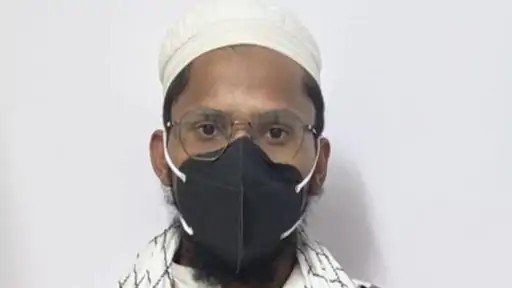

The recent arrest of Mohammad Zafar by the Uttar Pradesh Anti-Terrorism Squad (ATS) highlights ongoing concerns regarding the socio-political marginalization of Indian Muslims. Accused of links to the Pakistan-based terrorist group Jaish-e-Mohammed (JeM) and attempts to funnel money for militant activities, this case exemplifies a broader pattern of scrutiny faced by the Muslim community, raising questions about discrimination and extrajudicial measures in the current socio-political environment.
Context of Rising Suspicion
Mohammad Zafar, a 24-year-old resident of Mirganj village in Bihar, was arrested on August 16, and charged under multiple laws, including the Unlawful Activities (Prevention) Act, 1967. The ATS claims Zafar had been collecting donations under the guise of supporting a madrasa, which authorities allege could have been routed to terrorist handlers in Pakistan. With rising concerns over terrorism, security agencies have increasingly targeted individuals from the Muslim community, often under the auspices of national security. This has led to a climate of fear among many who feel they are unfairly profiled based on their religion.
Allegations and Evidence
According to the ATS, Zafar allegedly had connections with a JeM-linked WhatsApp group, where he interacted with a Pakistani handler for transferring funds. As per reports, the handler had initially provided bank account details for this purpose; however, when Zafar faced challenges in completing the transaction, he purportedly resorted to using cryptocurrency, attempting transfers exceeding $5,000. The focus on cryptocurrency, a modern method of transferring funds that can bypass traditional banking systems, raises alarm bells about the adaptability of alleged terrorist financing methods in today’s digital age.
Impact of Social Media and Ideological Influence
The investigation into Zafar also involved analyzing his social media activity. Investigators uncovered several communications allegedly linked to violent ideologies and fundraising efforts for terrorist activities. Authorities reported that Zafar was influenced by speeches and materials associated with JeM’s leader, Maulana Masood Azhar, and allegedly sought to promote jihad and the establishment of a caliphate through social media platforms. This case exemplifies how online networks can facilitate radicalization among young Muslims, potentially fueling the narrative of suspicion against entire communities and reinforcing a sense of isolation.
Why It Matters
This case underscores the delicate balance between national security and civil liberties, particularly for minority communities like Muslims in India. The aggressive stance of law enforcement can lead not only to social exclusion but also fuel a cycle of distrust and animosity. The impact of these arrests goes beyond individual cases; they affect communal harmony and cooperative dialogue. This environment of suspicion can inadvertently push vulnerable individuals towards radical narratives, undermining efforts for integration and peace.
Frequently Asked Questions
What are the main allegations against Mohammad Zafar?
Mohammad Zafar is accused of having links with the terrorist group Jaish-e-Mohammed, attempting to transfer funds for violent activities linked to jihad in India, and collecting donations under the pretext of supporting a madrasa.
Why is social media being scrutinized in this case?
Zafar’s social media accounts were investigated as they allegedly contained content promoting jihad and connections to terrorist handlers, illustrating the role of online platforms in radicalization and the spread of extremist ideologies.
What broader implications does this case have for Indian Muslims?
This case reflects a trend of increased scrutiny and potential discrimination against Indian Muslims, raising concerns about civil liberties, social exclusion, and the risk of radicalization within marginalized communities.
How does this impact Indian society overall?
The targeting of individuals based on religious identity can exacerbate societal divides, undermine community relations, and hinder peace-building efforts, ultimately impacting India’s social fabric.