
The December 13 incident in India’s Parliament serves as a stark reminder of the escalating tensions between disenfranchised youth and the political establishment. What initially appeared to be a disorganized breach could escalate into a significant uprising if not addressed promptly, revealing the urgent need for systemic change.
Incident Overview
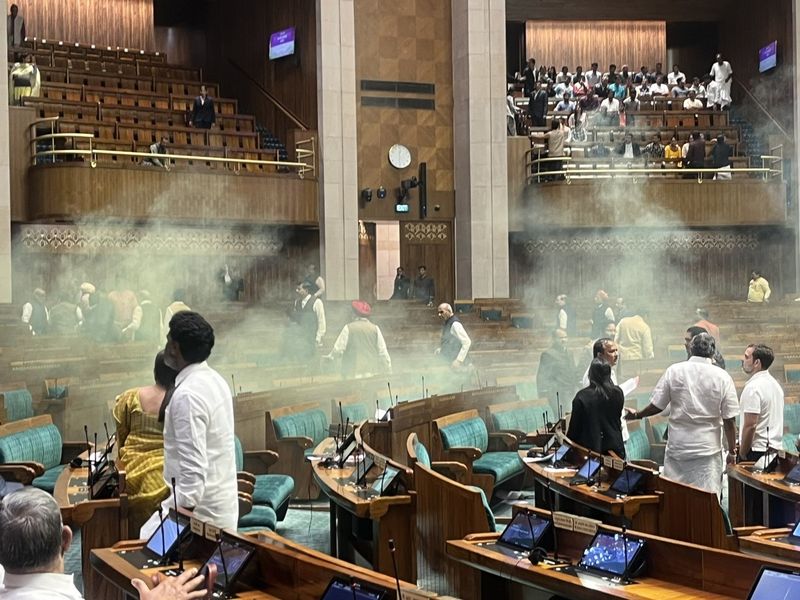
The December 13 attack on the Indian Parliament left the nation in shock. As parliamentarians reacted to the chaotic scene, opinions diverged: some viewed it as a grave breach of security, while others, notably the ruling party, framed it as an orchestrated conspiracy by perceived ‘enemies of the State.’ The assailants released yellow gas canisters, which compounded the surprise and panic among lawmakers. As the media rushed to cover the unfolding drama, the responses and narratives began to reflect deeper societal divides.
Profile of the Protesters
The protest was not just a spontaneous outburst; it stemmed from a buildup of frustration among young individuals struggling with unemployment and missed opportunities. The attackers, including Neelam Azad and Sagar Sharma, were emblematic of a generation that feels ignored by the political process. They met through social media, particularly on a platform created for youthful connectivity, to discuss their grievances and organize their actions. This digital bond among the disaffected came to a head in the form of their reckless yet desperate invasion of the Parliament.
Media Response and Political Ramifications
In the aftermath, media narratives were swiftly seized upon by various political factions. The ruling party’s portrayal of the incident emphasized a crackdown on dissent, linking the protesters to broader subversive elements. This reflects a chilling trend where the government is increasingly willing to use old laws to penalize dissent. The media, often fragmented, competed for soundbites, revealing a deeper insensitivity to the real issues at hand: widespread unemployment and growing discontent among the youth. The situation has created an environment where dissent is increasingly vilified rather than understood, raising alarms for any democratic society.
Why This Matters
The incident signifies a fracture in the social fabric of India, pointing to a larger existential crisis that many young people face. The failings of political leaders to offer genuine solutions to the pressing issues of joblessness and societal alienation can no longer be ignored. As political spectacles dominate the landscape, real-life grievances are pushing the youth toward extreme forms of expression. If unaddressed, this situation threatens to spiral into broader unrest, making it crucial for the government and its critics alike to engage in constructive dialogue about the pressing needs of the younger generation.
Frequently Asked Questions
What were the main events of the December 13 incident?
The December 13 attack involved two young men entering the Parliament while in session and unleashing yellow gas canisters, provoking chaos among the lawmakers. The incident has since been interpreted variously as a serious security breach and an orchestrated attack by dissenters.
Who were the attackers and what motivated them?
The attackers included Neelam Azad and Sagar Sharma, who have been identified as young individuals disillusioned by rising unemployment. They connected via social media to voice their frustrations, which culminated in the attack on Parliament.
How has the government responded to the incident?
The government portrayed the attack as part of a larger conspiracy and initiated crackdowns on dissent. Legislative frameworks originally used to suppress revolutionary actions during the British era are being invoked against modern protest actions.
What implications does this incident have for Indian democracy?
This incident raises serious questions about the effectiveness of the current political structure in addressing grievances, particularly among the youth. It underscores the potential for escalated unrest if systemic issues are not addressed, posing a considerable challenge to the foundations of democracy in India.