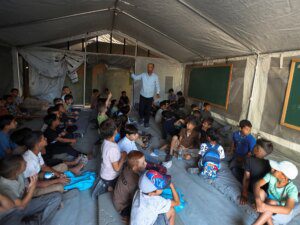
Ground report by @Un_Storyteller highlights alarming conditions in government schools across Madhya Pradesh as shared by prominent political commentator Mohammed Zubair (@zoo_bear). The report calls for increased scrutiny and accountability from state governments, urging a collective effort from journalists and influencers to shed light on these critical issues.
Current Situation in Madhya Pradesh’s Government Schools
Recent observations made by Mohammed Zubair shed light on the dire conditions of government schools in Madhya Pradesh. Images and videos shared on social media depict dilapidated infrastructure, inadequate facilities, and a lack of basic resources that are essential for quality education. Such visuals paint a grim picture of the state of education in this central Indian state, which is home to millions of students reliant on government schooling.
The Role of Digital Media in Exposing Educational Disparities
In the age of social media, ground reports and real-time journalism play a vital role in highlighting systemic issues. The call for influencers, YouTubers, and journalists to investigate government schools in various Indian states is crucial for fostering transparency and accountability. By showcasing the actual conditions faced by students, these professionals can put pressure on the government to make necessary reforms. The increasing accessibility of mobile technology allows more citizens to document and share their experiences, creating a more informed public discourse on educational policies.
Government Accountability and Public Response
Officials have regularly assured the public about efforts to improve the educational infrastructure in Madhya Pradesh. However, critics argue that these promises often lack substance. The images shared by Zubair invite skepticism regarding the efficacy of current initiatives aimed at revitalizing government schools. The public’s involvement in holding the government accountable is important, compelling authorities to respond more decisively to the educational crisis. As more reports emerge, the onus will be on state governments to act swiftly and substantively in light of mounting public pressure.
Why This Matters
The condition of government schools in Madhya Pradesh reflects broader issues affecting education across India. With a significant percentage of the population relying on state-run schools, the implications of neglecting these institutions could be profound. A lack of quality education exacerbates socioeconomic divides and limits opportunities for millions of children. Moreover, exposing these realities through social media galvanizes public sentiment and can lead to significant political change. An engaged and informed citizenry is crucial for democratic accountability and ensuring that governments meet their obligations to provide quality education for all.
Frequently Asked Questions
What did Mohammed Zubair report about government schools in Madhya Pradesh?
Mohammed Zubair highlighted alarming conditions in government schools, including inadequate infrastructure and a lack of essential resources, calling for scrutiny from journalists and influencers.
How can social media influence educational reforms in India?
Social media can raise awareness of critical issues, allowing a broader audience to understand existing disparities. It also enables citizens to mobilize support for educational reforms, putting pressure on government officials to take action.
Why are government schools in Madhya Pradesh significant for the population?
Government schools serve a crucial role in providing education to millions of students who cannot afford private alternatives, making their quality directly tied to the future opportunities available to these children.
What steps have been taken by the government to address educational issues?
While government officials often announce improvements and reforms, critiques suggest that these efforts are not sufficiently impactful or comprehensive, as evidenced by ongoing reports of poor conditions.