
A recent investigation by The Washington Post has spotlighted Tulsi Gabbard’s ties to the Science of Identity Foundation, raising concerns about the influence of Chris Butler, her self-described guru, on her political trajectory. This scrutiny comes on the heels of Gabbard’s resignation as U.S. director of national intelligence, intensifying discussions about her associations and political decisions.
Connections to the Science of Identity Foundation
The Science of Identity Foundation, a splinter group from the Hare Krishna movement, has been in the spotlight for its controversial practices and beliefs. Gabbard has been open about her connection to the foundation and its founder, Chris Butler. The recent investigation indicates that Butler’s ideological leanings may have played a crucial role in shaping Gabbard’s political convictions and decisions. Internal documents and testimonials from former members suggest a notable level of influence that Butler may have had on Gabbard’s actions as a politician.
Prior Investigations into Gabbard’s Political Ties
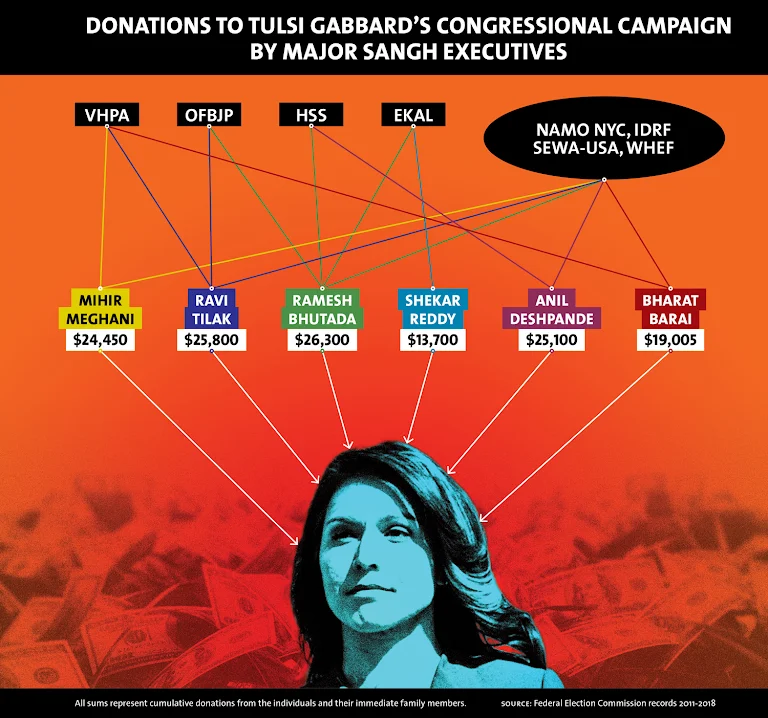
An earlier report by The Caravan, released in August 2019, delved into the role of various organizations linked to the Rashtriya Swayamsevak Sangh (RSS) in Gabbard’s rise within the political landscape. The article, authored by journalist Pieter Friedrich, explored how these entities mobilized financial resources and support for Gabbard, linking her to Indian Prime Minister Narendra Modi and prominent Sangh leaders. The analysis showcased the strategic backing from these organizations, aimed at enhancing their influence within the U.S. political sphere.
Gabbard’s Response and Public Perception
In light of the investigative reports, Gabbard has defended her affiliations, asserting her independence in decision-making despite Butler’s influence. However, critics argue that her ties raise ethical concerns and lend credence to the notion of external influence on U.S. politics, particularly from foreign organizations. As public scrutiny intensifies, the implications for Gabbard’s political future remain uncertain, with her connections drawing both ire and support from various factions within the American voter base.
Why This Matters
For Indian readers, the revelations surrounding Tulsi Gabbard’s connections have broader implications. They highlight the intricate web of political relations between Indian and American political landscapes, particularly how international ties can impact U.S. domestic politics. The influence of groups like the RSS and their aspirational connections in another country reflect ongoing dialogues about nationalism, identity politics, and the power of diaspora communities. Gabbard’s situation exemplifies the challenges faced by Indo-American politicians who navigate complex cultural and ideological terrains to forge their political identities.
Frequently Asked Questions
Who is Tulsi Gabbard?
Tulsi Gabbard is a former U.S. congresswoman who served from 2013 to 2021 and was a candidate for the Democratic presidential nomination in 2020. She is also known for her military service and progressive stance on various issues.
What is the Science of Identity Foundation?
The Science of Identity Foundation is a spiritual organization founded by Chris Butler, which is considered a splinter group of the Hare Krishna movement. It emphasizes individual self-realization and has been critiqued for its insular practices.
Why are Gabbard’s connections to Chris Butler controversial?
Gabbard’s ties to Chris Butler have raised concerns regarding the influence of his beliefs on her political decisions, questioning the independence of her political judgment and the potential for foreign influence within U.S. politics.
What impact has this scrutiny had on Gabbard’s political career?
The scrutiny has engendered discussion regarding Gabbard’s affiliations, which may affect her public image and future political endeavors, raising questions about her viability as a leader both domestically and within the Indian community abroad.