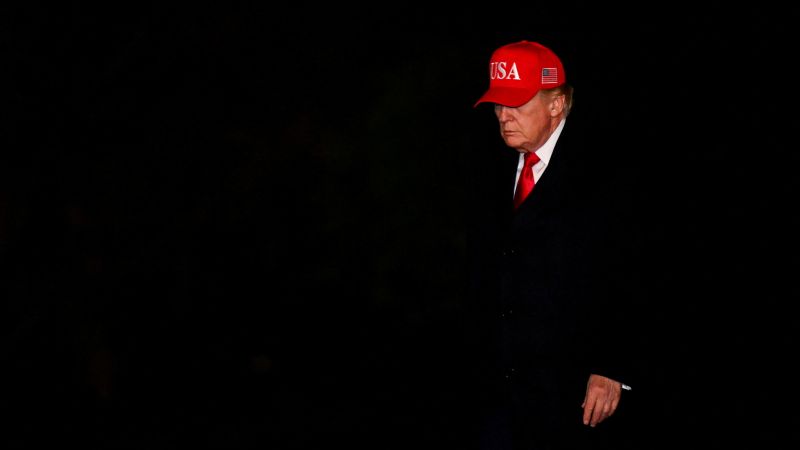

President Donald Trump’s controversial appointment of Bill Pulte, a housing official, to lead U.S. intelligence agencies has sparked widespread criticism and raised concerns about qualifications in such a vital role. As Trump leans on temporary officials amid a weakened Senate confirmation process, questions arise about the implications for national security and governance.
Trump’s Appointment and Public Reaction
Bill Pulte was named to oversee the intelligence community, despite a lack of national security experience and absence of a security clearance at the time of his appointment. Critics argue that Pulte’s expertise in housing does not equip him for the complexities of national intelligence, especially amid ongoing global challenges. Government reform advocates have expressed alarm over Trump’s preference for “acting” officials, highlighting the potential for unqualified leadership to hinder critical government functions.
The Legal Framework Under Scrutiny
Trump’s reliance on acting officials is not novel, but his approach seems more pronounced. The Federal Vacancies Reform Act of 1998 sets clear guidelines for appointing acting officials, requiring them to possess extensive relevant experience. Although Pulte is a Senate-confirmed official, his appointment is being criticized for bypassing established norms. Laws stipulate that principal deputies must be appointed to act in key roles during vacancies, which calls into question the legality of choosing someone with unsatisfactory expertise for such a pivotal position.
The Broader Implications for Governance
With less than six months until the November elections, Trump’s appointments raise concerns not just about individual qualifications but about the integrity of governmental operations. Critics warn that a lack of permanent leadership in critical agencies like the CDC and FDA has contributed to ongoing public health challenges. Moreover, governance experts believe that the cycle of appointing less experienced officials increases the risks of mismanagement, corruption, and inefficiency in an already strained civil service.
Why This Is Trending
Indians are searching for this topic as the global landscape is increasingly shaped by the decisions of U.S. officials, particularly concerning international relations and security. Additionally, many are interested in how governance under Trump may exhibit parallels to issues within India’s own political landscape, such as leadership appointments and the role of expertise in governance. The implications of these appointments may reverberate globally, affecting India’s foreign policy and strategic interests.
Frequently Asked Questions
What qualifications did Bill Pulte have for the role of overseeing intelligence agencies?
Pulte lacks national security expertise and did not have a security clearance at the time of his appointment, raising concerns about his ability to effectively lead the intelligence community.
How does the Federal Vacancies Reform Act affect Trump’s appointments?
The Act requires that acting officials be chosen from top deputies, other high-ranking officials in their agencies, or other Senate-confirmed officials, ensuring that appointees have the requisite expertise for their roles.
What are the risks associated with appointing acting officials?
Appointing unqualified acting officials can lead to inefficiencies, corruption, and ineffective governance in critical areas such as public health and national security, especially if there is a lack of experienced leaders.
Why is this issue relevant to India?
Similar leadership challenges exist within India’s governance structure, and the ramifications of U.S. policies can have global effects that directly influence India’s foreign relations and security matters.