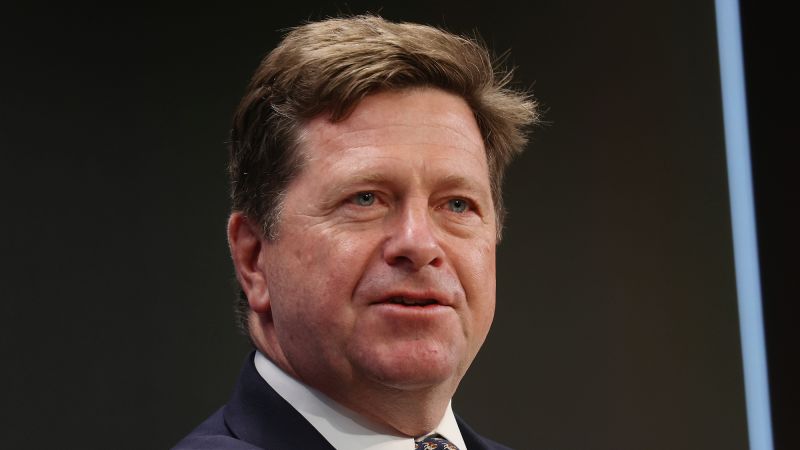

Trump Cancels Intelligence Nominee Hearing Amid Legislative Frustration
President Donald Trump has canceled the Senate confirmation hearing for his nominee to serve as director of national intelligence, Jay Clayton. This decision comes as he expressed frustration with the ongoing legislative negotiations over a key US surveillance law extension, further complicating the political landscape.
Background on the Nomination and Cancellation
Trump made the cancellation announcement via Truth Social, articulating his intention not to proceed with the hearings until Jay Clayton’s replacement as Manhattan US attorney is confirmed. “We are cancelling the Senate Hearing RE: DNI today, and will not be going forward until Jamie McDonald is approved to be U.S. Attorney,” he stated. During this pause, Trump affirmed that acting Director of National Intelligence, Bill Pulte, will remain in his role.
This kind of cancellation is typically determined by the Senate committee responsible for conducting the hearings. As the Senate Intelligence Committee is led by Republican Senator Tom Cotton from Arkansas, it remains unclear if Trump consulted with him before announcing the cancellation. The hearing was scheduled for 2:00 p.m. ET on Wednesday.
Implications for the Intelligence Community
Bill Pulte, who has faced criticism due to his contentious views and position in the Trump administration, was initially slated to take the helm as acting head of intelligence on Friday. His selection has drawn ire from Democrats, prompting them to withhold the votes necessary for extending the key foreign surveillance program. Many Republicans had expedited Clayton’s nomination in hopes of ensuring Pulte would not remain in his position for long.
Trump’s remarks suggest dissatisfaction with some Republican members who had aimed to hasten Pulte’s departure from the intelligence community. “The Republicans agreed with Dumocrats to remove very fair, and talented, William Pulte, from serving as Acting DNI in return for getting FISA approved by the Dumocrats,” Trump expressed, implying a broader political gamesmanship at play.
The Broader Context of Legislative Negotiations
Trump reiterated that he wants the extension of the surveillance law to be linked with sweeping voting overhaul legislation known as the SAVE America Act. He criticized Democrats for allegedly breaking a deal, stating, “Now, the Dumocrats are saying they will vote against FISA.” Such tensions underscore challenges surrounding national security legislation and its interplay with political negotiations, presenting a particularly charged atmosphere in American politics today.
Why This Is Trending
As discussions regarding surveillance laws and national security intensify, this topic has garnered significant attention in India. The ongoing geopolitical landscape often prompts Indian audiences to analyze how foreign policy decisions from the United States could influence global security dynamics. The interplay between political decision-making and national security is of keen interest, especially in light of India’s own challenges and alliances concerning intelligence and counter-terrorism efforts.
Frequently Asked Questions
What led to the cancellation of the Senate hearing for Donald Trump’s nominee Jay Clayton?
Trump canceled the hearing due to frustrations with legislative negotiations regarding a US surveillance law extension, insisting he would not proceed until Jay Clayton’s replacement as Manhattan US attorney was confirmed.
Who is Bill Pulte and why is he controversial?
Bill Pulte is the acting Director of National Intelligence who has faced criticism for his previous comments and actions within the Trump administration, drawing ire from Democratic lawmakers.
What are the implications of linking surveillance laws and voting reform legislation?
Trump’s push to connect the extension of surveillance laws with the SAVE America Act highlights the contentious relationship between national security issues and political negotiations, potentially complicating future legislative outcomes.
Why should Indians pay attention to these developments in the US?
India has its own pressing concerns related to national security and geopolitical dynamics, making the outcomes of US policy decisions relevant to its strategic interests and alliances.