
Trump’s Dismissal of Trust in Iran and Control Over the Strait of Hormuz
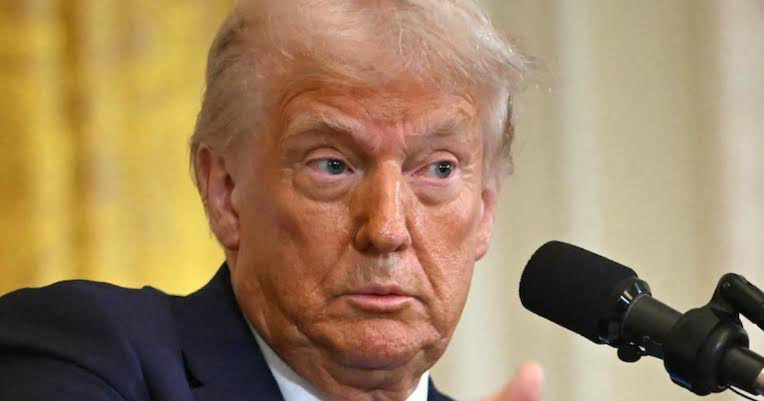
U.S. President Donald Trump has emphatically rejected any notion of trusting Iran, asserting that the United States maintains “total control” over the critical Strait of Hormuz. This statement, made on Tuesday, reflects the prevailing tensions in the Middle East and the complexity of U.S.-Iran relations amidst ongoing military engagements.
Context of U.S.-Iran Relations
During a media interaction at Joint Base Andrews in Maryland following a visit to Ohio, Trump responded to questions regarding Iran with a vehement denial of trust. “I don’t trust Iran. Why — are you saying I trust Iran!? I’m the last person to trust Iran,” he declared, emphasizing his perception of Iran’s dishonesty. This response is indicative of the broader context in which U.S.-Iran relations are viewed, particularly against the backdrop of a military campaign led by the U.S. and Israel, which began in late February.
The military confrontation has resulted in heightened regional tensions and presents a significant geopolitical challenge. The Strait of Hormuz, through which approximately one-fifth of the world’s oil supply is transported, serves as a focal point in these dynamics. Trump’s assertion that “we have total control over the Hormuz Strait right now” aims to reinforce U.S. military presence and influence in a strategically vital area.
Impact on Global Energy Supply and Regional Stability
The ongoing instability in the region, particularly the potential closure or disruption of the Strait of Hormuz, raises alarm regarding global energy supply chains. Oil prices, which are sensitive to geopolitical developments, could experience fluctuations that impact economies worldwide. The U.S.’s control over this maritime chokepoint could therefore serve both as a leverage point in negotiations and a risk factor in military escalations.
This situation not only affects oil-producing countries but also nations dependent on oil imports. As the U.S. continues to engage in military actions, the implications for regional stability become increasingly pronounced. The absence of a diplomatic settlement and the continuation of military tactics underscore the complex nature of this geopolitical landscape.
Why It Matters
The implications of Trump’s statements and U.S. military strategy have significant consequences for international relations and economic stability. The assertion of control over critical maritime routes raises questions about the U.S.’s role in global energy politics, the potential for conflict with Iran, and the broader impact on oil-dependent economies. For international developers and businesses, understanding these dynamics is essential for navigating risks associated with fluctuating energy prices and changing geopolitical relations.
Frequently Asked Questions
What is the significance of the Strait of Hormuz in global oil supply?
The Strait of Hormuz is crucial as it is the passageway for nearly 20% of the world’s oil supply. Any disruptions can significantly impact global oil prices and energy security.
What are the implications of U.S. military presence in the Middle East?
The U.S. military presence in the Middle East serves as both a deterrent against threats from Iran and a means to maintain influence over vital trade routes like the Strait of Hormuz. However, it also raises the risk of escalated military conflict in the region.
How have U.S.-Iran relations evolved over time?
U.S.-Iran relations have been strained since the 1979 Iranian Revolution, marked by mutual distrust, sanctions, and military confrontations. The current administration’s stance reflects longstanding tensions resulting from various geopolitical interests.
What could be the consequences of a military conflict in the region?
A military conflict in the region could lead to destabilization, affecting not only oil prices but also triggering broader regional implications such as prolonged military engagement, humanitarian crises, and shifts in international alliances.