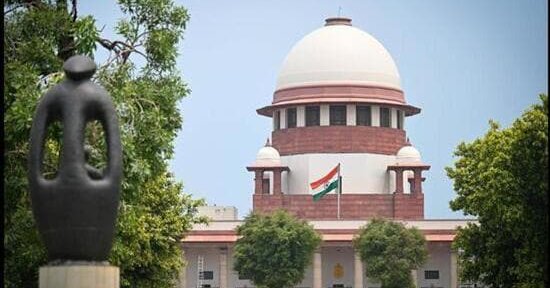

The Supreme Court of India has directed the Odisha government to make a decision regarding the remission plea of Dara Singh, a Bajrang Dal member convicted for the 1999 murder of Australian missionary Graham Staines and his two sons. The bench emphasized that a decision should be made by August 15, allowing Singh the opportunity to celebrate Independence Day.
Background of the Case
The brutal murder of Graham Staines and his two sons in January 1999 shocked the nation and drew significant international attention. Staines, who was in India for missionary work, was set on fire along with his children while they were asleep in their vehicle in Odisha. Dara Singh, subsequently arrested and convicted, became emblematic of communal tensions in India, sparking a nationwide debate on religious intolerance and violence against minorities. His conviction was upheld by higher courts, with the trial clearly delineating the grim realities of sectarian violence in the region.
Current Legal Proceedings
Recently, the Supreme Court took cognizance of Singh’s plea for remission of his sentence, calling upon the Odisha government to expedite their decision-making process. The court’s directive underlines the ongoing legal uncertainties surrounding the case. Singh’s case highlights the complexities involved in the judicial system regarding remission and parole applications, especially for high-profile cases tied to communal violence. The Supreme Court’s instruction to finalize a decision by August 15 indicates a firm stance on expediting justice, a message resonating deeply in a landscape filled with public sentiment regarding communal harmony and justice delivery.
Public Reactions and Political Implications
The case has evoked a range of emotions among the Indian populace, reflecting deep-seated divisions along communal lines. While some view the potential for Singh’s remission as a necessary step toward leniency and forgiveness, others express outrage at the thought of pardoning someone implicated in such grave acts of violence. Political parties may also weigh in, with opposition groups likely to mobilize around the issue to galvanize support. The reactions could influence local and national politics, especially given the proximity of upcoming elections, where issues of communal harmony often come to the forefront.
Why This Matters
The Supreme Court’s decision and the subsequent actions of the Odisha government could have a significant impact on the perception of justice in India. With communal tensions remaining high, the outcome of Singh’s remission plea could either exacerbate or alleviate religious tensions across the country. For political leaders, this case acts as a barometer for public sentiment; a failure to appropriately respond to such a contentious issue could lead to political alienation or upheaval for those at the helm. Furthermore, how the government handles the case could set a precedent for future cases related to communal violence and the legal mechanisms surrounding them.
Frequently Asked Questions
What is Dara Singh’s connection to the Staines murder case?
Dara Singh, a member of the Bajrang Dal, was convicted for the murder of Graham Staines, an Australian missionary, and his two sons in Odisha in 1999, where they were burned alive.
What does the Supreme Court’s directive entail?
The Supreme Court has directed the Odisha government to make a decision regarding Singh’s remission plea by August 15, indicating the need for a timely resolution in this high-profile case.
What are the potential implications of granting remission to Singh?
Granting remission could reignite communal tensions in India and prompt public outcry from various groups, impacting the political landscape as it approaches election cycles.
How has the public reacted to this case historically?
The murder of Graham Staines and the subsequent legal proceedings have elicited strong responses from both human rights activists and supporters of communal harmony, often reflecting broader societal divisions.