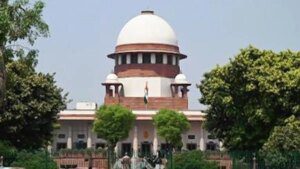

The Supreme Court of India recently granted five-day interim bail to Mohammed Zubair, co-founder of Alt News, amid allegations of outraging religious sentiments through a tweet. Zubair has also been instructed not to post anything related to the case on Twitter and is required to remain within the jurisdiction of the Delhi court.
Legal Proceedings Surrounding Zubair’s Case
Zubair is facing legal challenges stemming from a First Information Report (FIR) filed in Sitapur, Uttar Pradesh. The FIR accuses him of violating IPC Section 295A, which concerns deliberate and malicious acts intended to outrage religious feelings, as well as Section 67 of the IT Act, related to inappropriate content on the internet. These actions are based on a complaint filed by Bhagwan Sharan, the president of the Hindu Sher Sena Sitapur district, on June 1.
The Supreme Court’s Interim Bail Order
During a hearing by a vacation bench consisting of Justices Indira Banerjee and J.K. Maheshari, Zubair’s plea garnered attention, especially concerning his prior detention by Delhi police since June 27 for tweets that allegedly hurt religious sentiments. While granting bail, the Court clarified that this decision pertains specifically to the FIR in Sitapur and does not affect any other ongoing cases against him in Delhi. The bench also highlighted that the investigative process in the Sitapur case could continue, allowing police to seize Zubair’s electronic devices if necessary.
Claims of Political Targeting and Stifling Free Speech
In his petition for bail, Zubair has alleged a “new strategy” employed by the police to stifle free speech, especially among secular critics of communal activism. He contends that FIRs are being registered against individuals who monitor or protest hate crimes, suggesting this is part of an effort to intimidate those who stand against communal elements in society. Senior advocates representing him emphasized that his tweets, while critical, do not constitute any criminal offense, but merely highlight hate speech incidents without any incitement of violence.
Why This Matters
This case raises significant concerns about the implications for freedom of speech and expression in India, particularly in the context of rising communal tensions. Zubair’s arrest and the subsequent legal actions have sparked discussions about the state of civil liberties and the potential misuse of legal provisions against dissenting voices. The Supreme Court’s decision signals a cautious approach to ensuring due process while also protecting the rights to free speech, which are of increasing concern in contemporary Indian society.
Frequently Asked Questions
What are the charges against Mohammed Zubair?
Zubair faces charges under IPC Section 295A for allegedly deliberately outraging religious feelings and Section 67 of the IT Act for posting inappropriate content online.
What did the Supreme Court order regarding Zubair’s case?
The Supreme Court granted Zubair five days of interim bail, prohibiting him from posting on Twitter about the case and requiring him to remain within the jurisdiction of the Delhi court.
What was the basis for Zubair’s arrest on June 27?
Zubair was arrested by the Delhi Police for tweets that were alleged to have hurt religious sentiments, leading to the consideration of legal action against him.
Why is this case significant for Indian society?
This case is significant as it raises pertinent questions about freedom of speech amidst rising communal tensions in India and explores how legal frameworks may be used to suppress dissenting voices.