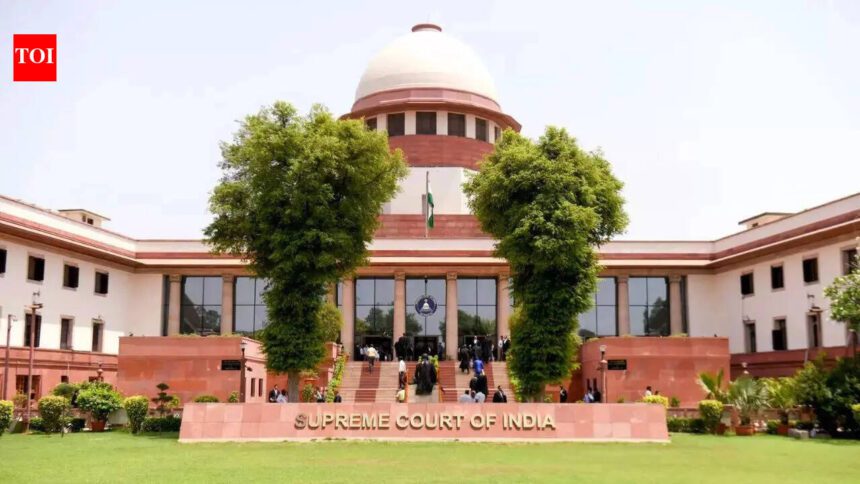

Supreme Court Grants Bail to Convict After 22 Years in Jail
NEW DELHI: The Supreme Court of India intervened in a case highlighting the challenges of the judicial system when a poor murder convict, abandoned by his family and lacking proper legal counsel, faced significant delays in his appeal process. The convict had challenged a trial court’s order of conviction and life imprisonment, which had been upheld by the Orissa High Court (HC). However, his plea was dismissed on the grounds of a nine-year delay.
The HC’s 2016 ruling, which neglected to consider the convict’s lengthy incarceration, was described as “very disturbing” by a bench comprising Justices J.B. Pardiwala and Ujjal Bhuyan. They invoked the extraordinary powers granted to the Supreme Court under Article 142 of the Indian Constitution to ensure justice. The Court ordered the release of the convict, noting his satisfactory conduct in jail and the fact that he had spent 22 years behind bars without a single day of parole.
“The HC, while declining to condone the delay, ought to have considered the fact that the petitioner was already undergoing a sentence for over 12 years,” the bench stated. “It should have also recognized that this was an appeal submitted from prison. This alone should have prompted the HC to adopt a more pragmatic or sympathetic approach and allow the opportunity for the petitioner to argue his case on its merits.”
Moreover, the justices pointed out the futility of asking the HC to hear the criminal appeal on merits given the length of the convict’s sentence and lack of parole opportunities. The bench concluded, “We are convinced that we should release the petitioner on bail in the peculiar facts and circumstances of this case.”
In a subsequent order, the court mandated the petitioner to be released on bail upon executing a personal bond of Rs.10,000, subject to the satisfaction of the Jail Superintendent. Additionally, the district legal services authority in Koraput was directed to assist the convict in preparing a representation for seeking remission of his sentence.