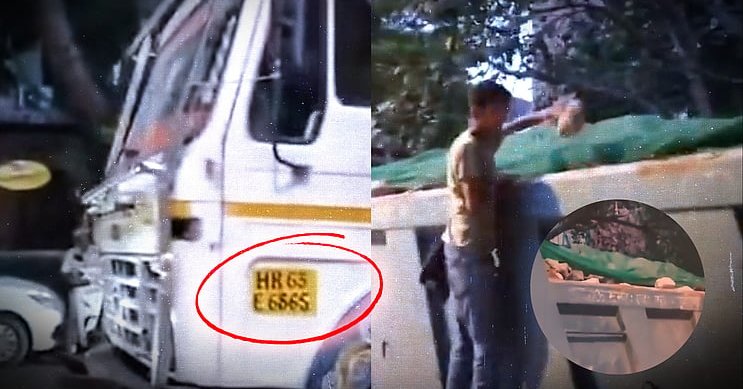

A truck laden with stones appeared near the Citizens for Justice and Peace (CJP) protest at Jantar Mantar on July 20, raising concerns about potential framing of the protesters. The vehicle, traced back to an accident four days earlier, has sparked discussions around police actions and the integrity of protest events in India.
Context: Incident at Jantar Mantar
The Jantar Mantar site has been a focal point for protests and public gatherings in India. On July 20, as the CJP gathered to advocate for justice and raise awareness on pressing social issues, a truck filled with stones appeared nearby. This incident immediately drew attention, with many questioning the motivations behind placing such a vehicle in close proximity to a peaceful protest. Speculations included fears that the truck could be used as a tool to incite violence or disrupt the protest by framing protesters in a negative light.
Background: The Truck’s Origin
The truck was reportedly seized by the police four days prior to its appearance at the protest site due to an accident that resulted in injuries to seven individuals. @ImAvdheshkumar, a prominent Twitter user, traced the vehicle’s history, revealing its transit from the accident scene to the police station, and ultimately to the protest area. This backstory raises critical questions about police accountability and the management of seized vehicles. How did the truck return to public circulation without proper oversight? What protocols failed in this instance?
Analysis: Implications for Protest Dynamics
This incident touches on broader themes concerning the intersection of law enforcement and public dissent in India. The appearance of the stone-laden truck could be perceived as a tactic employed by authorities to delegitimize the protests, a recurrent concern among activists. This mirrors historical precedents where authorities have sought to undermine protests through various means, further complicating the landscape of civil rights in the nation. Observers fear that this pattern of behavior can serve to chill free expression, as individuals may feel discouraged from participating in activism due to fears of retribution or misrepresentation.
Why This Matters
The appearance of the truck filled with stones at a CJP protest is significant for several reasons. It highlights the ongoing tensions between activists advocating for justice and a governmental framework that sometimes appears to misconstrue or undermine peaceful expressions of dissent. Additionally, this incident underscores the critical need for transparency and accountability within law enforcement agencies in India. As the political climate becomes more charged, instances like these may shape public perception and trust in the judicial and policing systems. For Indian citizens, this event serves as a reminder of the fragile nature of civil liberties and the importance of vigilance in protecting the right to protest.
Frequently Asked Questions
What was the truck laden with stones doing near the CJP protest?
The truck appeared near the CJP protest at Jantar Mantar on July 20, leading to concerns that it could be used to frame the protesters in a negative light.
Where did the truck come from?
The truck was originally seized by the police four days prior due to an accident that injured seven people. It was later found at the protest site, raising questions about police management of seized vehicles.
What are the implications of this incident for protesters?
This event raises concerns about the potential risks protesters face, including the misuse of police resources to undermine their activities, which could discourage civic engagement and activism.
Why is the role of police significant in this context?
The police play a crucial role in maintaining public order and ensuring the safety of protesters. Incidents like these highlight the importance of accountability and transparency within law enforcement to uphold democratic values.