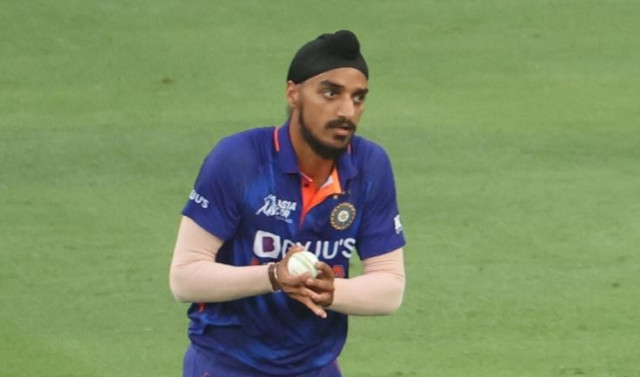

Indian cricketer Arshdeep Singh faced a wave of online harassment following a dropped catch in a highly publicized Asia Cup match against Pakistan. The backlash included not just sports criticism but also targeted abuse linked to his Sikh identity, drawing attention to the intersection of sports, nationalism, and communal tensions in India.
The Incident and Immediate Backlash
During a critical moment in the Asia Cup clash on Sunday, Arshdeep Singh, a 23-year-old bowler, dropped a crucial catch that contributed to India’s loss to Pakistan in a nail-biting finish. The aftermath saw an explosion of derogatory comments on social media, with much of the criticism laced with communal undertones due to Singh’s Sikh background. Such online vitriol underscores the ongoing challenges minority athletes face in a country where sporting events are often politicized.
Online Abuse and Its Origins
The vitriol directed at Singh included accusations of disloyalty, with some users even manipulating his Wikipedia page to falsely connect him with the Khalistan separatist movement. Such actions reflect a troubling trend where performance failures by players from minority communities result in harsh, and often unfounded, claims of treason or treachery, highlighting deeper societal prejudices. Prominent figures in the cricket community, including former players and sports commentators, have spoken out against this online abuse, emphasizing that mistakes on the field should not be met with personal attacks based on religion or ethnicity.
The Broader Context of Hate Attacks
This incident is not an isolated occurrence. In the past, other cricketers from minority backgrounds have similarly faced backlash after poor performances. For instance, Muslim player Mohammed Shami encountered severe online harassment following India’s defeat to Pakistan in the T20 World Cup last year. Criticism based on religion has been condemned by other players, including former captain Virat Kohli, who has asserted that such actions are unjustifiable and reflect poorly on Indian society. This recurring pattern reveals a problematic intersection of sports, religion, and nationalism that demands both public and institutional responses to prevent further marginalization of minority athletes.
Why This Matters
The treatment of athletes like Arshdeep Singh is emblematic of broader societal divisions in India, where sport often serves as a proxy for national identity and political allegiances. The backlash against Singh and the targeting of minority athletes raise significant concerns about communal harmony and the fabric of Indian society. As young athletes often serve as role models and symbols of national pride, it becomes crucial to foster an environment that encourages inclusivity rather than division. The reactions to Singh’s mistake reflect both the urgent need for dialogue about communalism in sports and the responsibility of fans and the media to nurture a more supportive atmosphere.
Frequently Asked Questions
What happened during the Asia Cup clash between India and Pakistan?
In a dramatic finale, Indian bowler Arshdeep Singh dropped a crucial catch, contributing to India’s loss to Pakistan. This moment became the focal point for online criticism against him, many of which were rooted in his Sikh identity.
What kind of abuse did Arshdeep Singh face?
Singh faced a barrage of derogatory comments on social media, including false accusations linking him to the Khalistan separatist movement, and various claims about him being a traitor for his performance.
How have other players reacted to this incident?
Prominent cricket figures, including Virat Kohli and Harbhajan Singh, have defended Singh, emphasizing that mistakes happen in sports and condemning the communal and hateful rhetoric directed at him.
Is this treatment of minority athletes common in India?
Yes, there have been multiple instances where athletes from minority communities have faced online harassment following poor performances, suggesting a troubling trend of politicizing and communalizing sports issues in India.