
Securing India’s Fertiliser Future
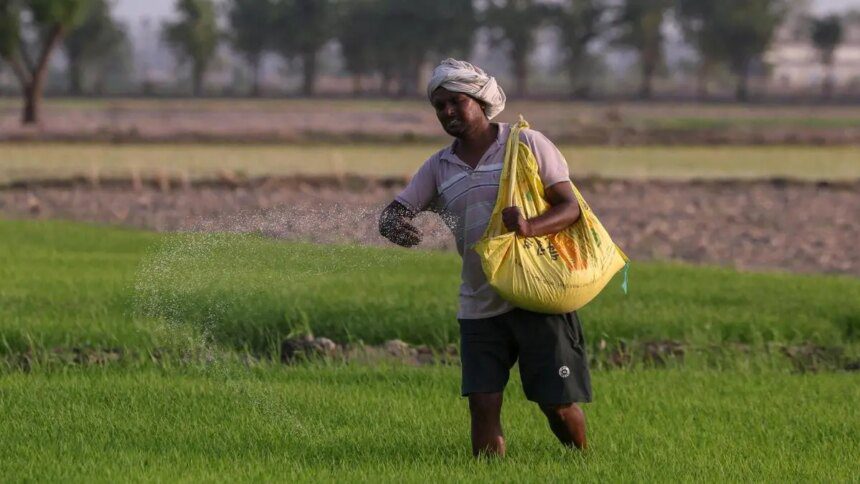
The Fertiliser Association of India (FAI) has urged for immediate reforms to secure the country’s fertiliser future amid escalating subsidies influenced by global price surges. As India grapples with rising demand and dependency on imports, there is an urgent call for enhancing domestic production capabilities and diversifying raw material sources.
Current Dependency on Imports
India’s reliance on fertiliser imports remains significant, with over 10 million tonnes (mt) of urea imported in the last fiscal year. The government’s decision to curtail imports in 2024-25 contrasts with the annual fertiliser demand, which has surged to approximately 40 mt. This situation is compounded by the fact that around 75% of the gas used for urea production is imported, alongside an overwhelming dependence on foreign sources for di-ammonium phosphate (DAP) and muriate of potash (MOP), with imports accounting for over 85% and 100% of their respective demands.
Challenges Posed by Global Conflicts
During the recent annual seminar, FAI Chairman S Sankarasubramanian highlighted the vulnerabilities within India’s fertiliser ecosystem, exacerbated by geopolitical conflicts like the Russia-Ukraine war and tensions with Iran. These disruptions in production and supply chains have significantly increased the government’s subsidy expenditure to maintain affordable fertiliser prices for farmers. “This experience reinforces an important lesson for us: securing India’s fertiliser future cannot depend only on our ability to respond to the next crisis; it must increasingly rest on our ability to reduce our exposure to it,” Sankarasubramanian explained.
Strategies for Resilience and Domestic Production
The FAI has proposed several strategies to bolster domestic production and mitigate future risks. Key recommendations include accelerating domestic manufacturing, diversifying raw material sources, strengthening international partnerships, and developing alternative feedstocks. Sankarasubramanian emphasized the importance of enhancing nutrient-use efficiency and promoting the adoption of balanced nutrition, specialty fertilisers, organics, and bio-solutions. Additionally, he pointed out the potential of leveraging technology, such as drones, to improve agricultural practices.
Government’s Focus and Regulatory Measures
In addressing these concerns, fertiliser secretary Rajat Kumar Mishra acknowledged ongoing challenges, particularly the diversion of subsidised urea for industrial use. To tackle this, a new regulatory system has been developed to monitor and curb such practices, which reportedly occurs because of the price disparity—agricultural urea at ₹6 per kilogram versus industrial urea priced at ₹60-70 per kilogram. This measure aims to ensure that subsidies intended for farmers effectively reach those in need.
What This Means
The call for enhanced domestic capacity and diversified sources signifies a pivotal shift in India’s agricultural policy, aimed at reducing dependency on volatile global markets. Given the increasing demand for fertilisers, these strategies may bolster food security and protect farmers from price shocks while promoting sustainable agricultural practices. By addressing both domestic production and regulatory concerns, India can foster a more resilient agricultural sector.
Frequently Asked Questions
What is the current reliance of India on fertiliser imports?
India is significantly reliant on imports for fertilisers, with over 10 million tonnes of urea imported last fiscal year and DAP and MOP fully sourced from foreign markets.
How do geopolitical conflicts affect India’s fertiliser prices?
Geopolitical tensions, such as the Russia-Ukraine conflict, disrupt production and supply chains, driving up global fertiliser prices, which in turn increases the government’s subsidy expenditure to keep prices stable for farmers.
What measures is the government taking to prevent urea diversion?
The government is implementing a new regulatory system aimed at monitoring the distribution of subsidised urea and preventing its diversion for industrial use, where it is sold at a significantly higher price.
Why is domestic production of fertiliser important?
Enhancing domestic production is crucial for reducing reliance on imports, ensuring food security, stabilizing prices for farmers, and protecting the agricultural sector from global market volatility.