
Concerns Over Civilian Safety in Colombia
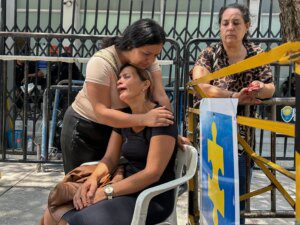
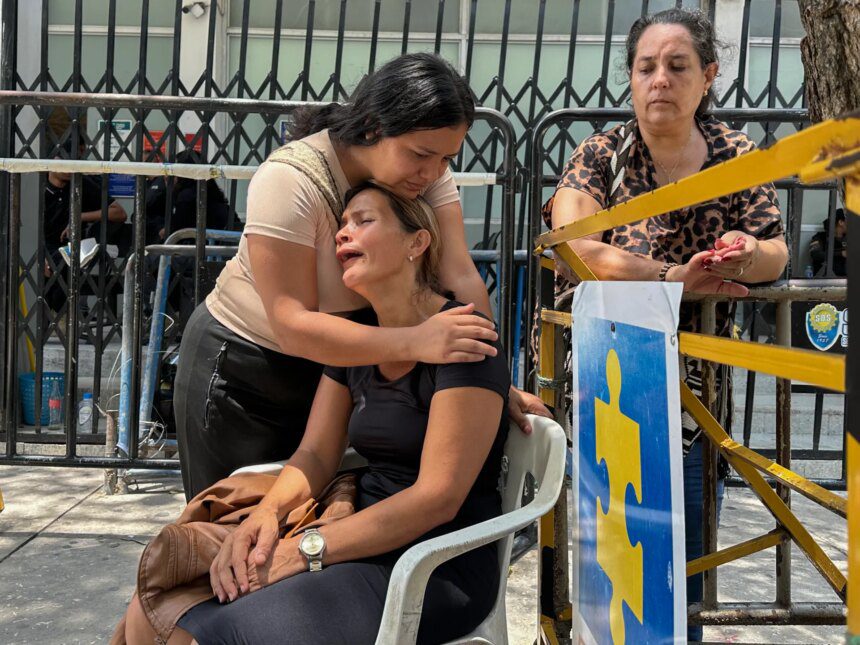
The recent death of a civilian in Colombia has raised significant concerns about the government’s aggressive security strategy, particularly regarding the risk it poses to innocent bystanders. Amidst allegations of extrajudicial killings, public support for President de la Espriella remains surprisingly strong, with an approval rating exceeding 48 percent.
Government Strategies Under Scrutiny
Martinez’s death has sparked fresh debates surrounding the Colombian government’s hardline security approach. This strategy appears to have been influenced by external pressure, notably from the administration of former US President Donald Trump, which has encouraged leaders in Latin America to take a tougher stance against groups labeled as “narcoterrorists.”
Experts like Laura Bonilla from the Peace and Reconciliation Foundation warn that as armed groups adapt, they have increasingly integrated into civilian populations. These groups now operate in smaller, more elusive units that do not easily fit the traditional military engagement model, complicating efforts to maintain security.
The Call for More Cautious Approaches
In light of these developments, figures such as Dimas advocate for security forces to prioritize civilian safety over aggressive military actions. Dimas emphasizes that the pressure to deliver rapid results often leads to poorly planned operations that can increase civilian casualties. The overarching message from various experts is clear: military operations that endanger civilian lives should be postponed until more accurate intelligence can be gathered.
Further calls for reform have come from advocates like Rodriguez, who argues against military bombardments, especially in rural areas. She highlights the reality that innocents—farmers, young residents, and families—face the brunt of conflict. Rodriguez’s personal loss, including the death of her son, illustrates the devastating human toll of the prevailing conflict and adds a poignant dimension to her demands for accountability and change.
What This Means
This situation in Colombia resonates with broader issues of conflict and civilian safety that are relevant in various contexts, including India. The challenges of embedded insurgent groups and the delicate interplay between government authority and civil rights find parallels in regions facing their own security dilemmas, such as Kashmir. Just as Colombia’s strategic choices are influenced by international pressure, India’s security policies are often sculpted by global dynamics and domestic challenges. Understanding these cases can provide valuable lessons for balancing national security with the imperative to protect civilian lives in conflict-prone areas.
Frequently Asked Questions
What is the current security situation in Colombia?
Colombia faces significant security challenges, with various armed groups, often labeled as narcoterrorists, operating within civilian populations. These groups have adapted to more covert operational styles, complicating law enforcement efforts.
How does foreign pressure influence Colombia’s security policies?
Foreign pressure, particularly from the United States, has historically shaped Colombia’s approach to security. The emphasis on a hardline stance against narcotics-related violence has intensified in recent years, affecting both military and policing strategy.
Why are civilian casualties a concern in military operations?
Civilian casualties undermine public trust and can escalate conflict, creating a cycle of violence. Experts stress the need for security forces to act with caution to avoid collateral damage, which can intensify grievances among local populations.
What are the implications of extrajudicial killings in Colombia?
Extrajudicial killings undermine the legitimacy of government forces and often lead to widespread protests and international condemnation. This can result in further instability and a cycle of violence that harms both civilians and security operations.