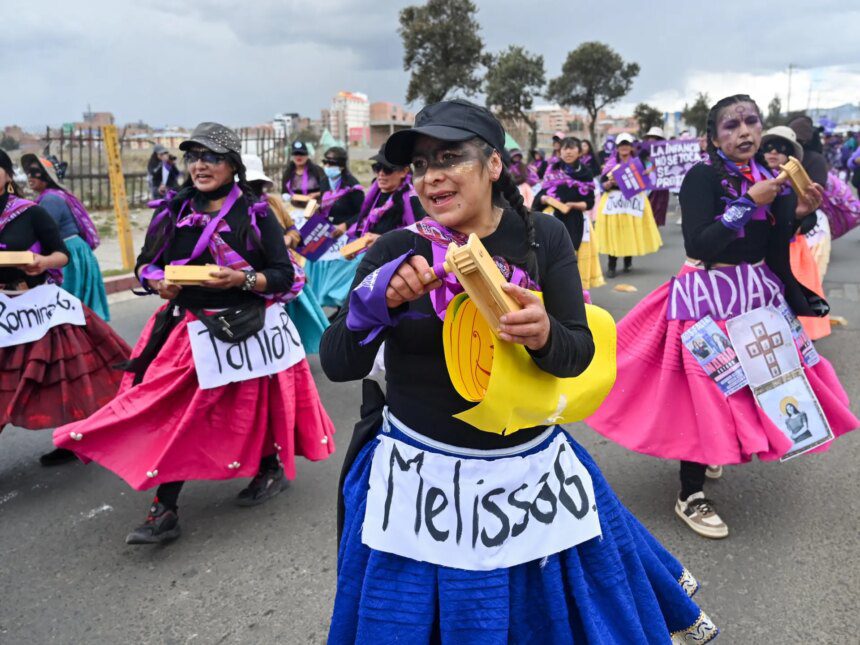
Summary of Ongoing Global Efforts Against Violence
Women around the globe have united to observe the International Day for the Elimination of Violence Against Women. Recent data from the United Nations reveals that approximately 47,000 women and girls were intentionally killed by intimate partners or family members last year, highlighting a concerning trend of gender-based violence that still persists worldwide.
The Prevalence of Femicide: Global Perspectives
According to the 2026 Femicide Brief released by the United Nations Office on Drugs and Crime (UNODC) and UN Women, the alarming statistic of 47,000 women and girls killed by family members or partners underscores the ongoing dangers women face. Although this figure is a decrease from the 2024 estimate of 50,000, UN officials clarify that this change largely represents enhanced data accuracy rather than a significant reduction in the actual number of femicides.
Furthermore, the report indicates that no region worldwide is exempt from this crisis. Countries spanning various continents have recorded instances of violence against women, with femicide rates dropping at a slower pace compared to overall homicide rates. This discrepancy points to systemic issues that require urgent attention from governments and civil societies.
Context of Violence Against Women in India
In India, violence against women continues to pose major challenges. According to the National Crime Records Bureau (NCRB), atrocities such as domestic violence, dowry deaths, and honor killings are rampant. Indian women often face societal pressures and legal hurdles that prevent them from seeking justice. The country has several laws aimed at protecting women, but enforcement remains inadequate, and many cases often go unreported due to stigma or fear.
As global awareness increases, it is critical for India to solidify its commitment toward addressing gender-based violence. Initiatives can include better law enforcement training, community outreach programs, and legal reforms that prioritize women’s safety. Awareness campaigns orchestrated by local women’s groups have garnered attention, yet the effectiveness of these measures necessitates more extensive government support.
What This Means
The trends reported by the UN carry significant implications for Indian society. While awareness and discussions around violence against women have increased, actual changes in societal attitudes, legal frameworks, and enforcement protocols are needed to combat continued violence. The global statistics serve as a grim reminder that, despite regional differences, the fight against gender-based violence is a unified struggle. Learning from successful international models could be beneficial for India in crafting efficient strategies to protect women.
Moreover, the slower decline in femicide rates compared to overall homicides suggests that women face distinct challenges that require specialized interventions. Policymakers in India must understand the multifaceted nature of these issues to craft responses that are not merely punitive but also educational and preventive.
Frequently Asked Questions
Why is there a discrepancy in femicide rates and overall homicide rates globally?
The discrepancy stems from the fact that while overall homicide rates have been declining, the reduction in femicide rates has been slower. This gap indicates that gender-based violence remains a persistent issue that is not adequately addressed by broader crime reduction strategies.
What can be done to improve the situation for women in India?
Improving the situation requires a multi-pronged approach that includes better enforcement of existing laws, community awareness programs, improving access to legal assistance, and encouraging women to report incidents of violence without fear.
How can awareness campaigns make a difference?
Awareness campaigns can educate the public about gender violence, changing perceptions and fostering an environment where women feel safe to report issues. They can also mobilize communities to provide support to victims and pressure authorities to take action.
What role does data play in addressing violence against women?
Accurate data helps identify trends, allocate resources effectively, and evaluate the success of interventions. Improved data collection can lead to better-informed policies and more effective strategies to combat violence against women.