
A Devastating Earthquake in Venezuela
A recent earthquake in Venezuela has led to overwhelming rescue efforts, with over 6,462 people saved. However, families are now facing the grim task of identifying the deceased as the death toll rises, bringing to the forefront issues of government negligence and psychological trauma for those directly involved.
The Human Toll and Search for Closure
In the aftermath of the earthquake, La Guaira and Caracas are filled with posters bearing the faces of those lost. Families search for missing relatives amid reports indicating that 6,462 individuals have been rescued, revealing both hope and despair. Inside a funeral home in La Guaira, wooden boxes symbolize the remains of victims already identified and cremated, presenting a haunting image of loss.
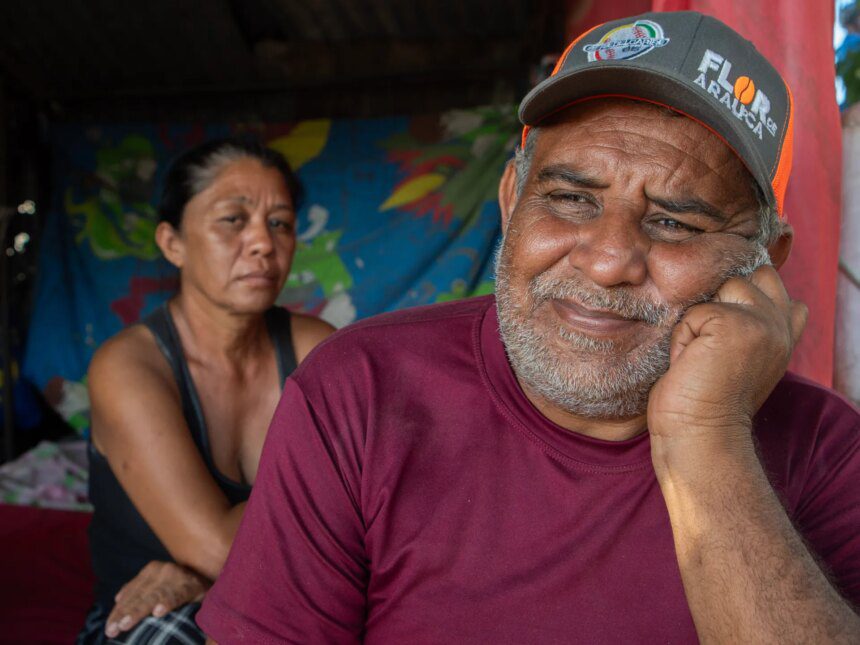
Santiago Rodriguez, a funeral parlour worker, describes the psychological toll of his job. “I went five days without sleeping — days and nights spent with people, living through their pain,” he told Al Jazeera. This emotional exhaustion echoes the experiences of many in the community, as new families arrive daily, desperately seeking answers about their loved ones.
Challenges in the Identification Process
The identification process is fraught with difficulties. Many bodies decay beyond recognition, making fingerprinting impossible. Some victims have been buried anonymously, though photographs were taken for possible identification in the future. Workers in forensic gear transport corpses to a mass grave in La Esperanza, highlighting the urgent situation.
Rodriguez fears that the magnitude of this disaster could mirror the catastrophic mudslides Venezuela faced in 1999, which resulted in around 30,000 deaths with many victims never found. The current death toll is expected to be equally tragic, with bodies believed to be lost under the rubble.
The Role of Government and Infrastructure Concerns
A preliminary report from the United Nations Development Programme (UNDP) estimates that the earthquake created 1.2 million tonnes of debris across La Guaira, flattening entire city blocks. Rodriguez critiques the lack of government support, arguing that insufficient aid has increased fatalities. He expresses defiance against government oppression, stating, “I lost my two grandchildren… What else do I have to lose?” highlighting a desperate need for accountability in crisis response.
This situation raises questions about how nations can better prepare and respond to natural disasters, especially in developing regions where infrastructure and governance may be less robust.
What This Means
The earthquake tragedy in Venezuela serves as a poignant reminder for India, particularly in light of its own vulnerability to natural disasters such as earthquakes, floods, and cyclones. Major urban areas like Mumbai and Delhi face risks from inadequate infrastructure to manage such calamities. Learning from Venezuela’s struggles, Indian authorities can focus on bolstering disaster response systems, improving identification processes for victims, and ensuring psychological support is available for affected families. Furthermore, it emphasizes the importance of community networks in providing assistance during crises, which can be crucial in times of emergency.
Frequently Asked Questions
What caused the recent earthquake in Venezuela?
The specific geological factors leading to the earthquake have not been detailed in the reports. However, Venezuela is situated in a seismically active region, making it prone to such natural disasters.
How many people have been rescued following the earthquake?
As of the latest reports, 6,462 individuals have been rescued from the earthquake-affected areas.
What are the current challenges in identifying the deceased?
Many bodies are too decomposed for fingerprinting, and some have been buried anonymously. Documentation efforts, including photographs, are being made in hopes for future identification.
What steps can India take to improve disaster management?
India can invest in disaster response infrastructure, enhance training for emergency services, support psychological counselling for victims, and ensure community awareness programs to prepare citizens for potential disasters.