
Summary
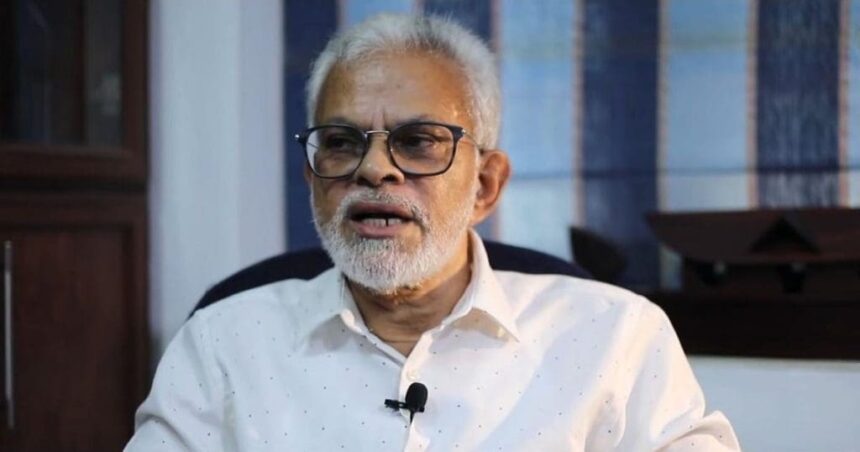
A coalition of civil liberties organizations in India, the Campaign Against State Repression (CASR), is calling for the release of E. Abubacker, a 72-year-old Muslim leader and political prisoner whose health has significantly declined while detained under the Unlawful Activities (Prevention) Act (UAPA). His case highlights ongoing issues of discrimination and political repression against Muslims in India under the current government.
Political Repression in India
E. Abubacker, the founding chairman of the now-banned Popular Front of India (PFI), has been in custody for more than three and a half years without trial. His arrest occurred during nationwide raids on September 22, 2022, conducted by the National Investigation Agency (NIA) that targeted the PFI. This organization has been accused by the government of involvement in extremist activities, leading to its ban shortly after Abubacker’s arrest.
The UAPA allows the Indian government to detain suspects for extended periods without formal charges, a provision that has been widely criticized for undermining civil liberties. Human rights advocates note that the law disproportionately affects marginalized communities, particularly Muslims, who have faced systemic discrimination and social exclusion under the current political climate.
Health Concerns and Human Rights Implications
Abubacker’s health has reportedly worsened since his incarceration. He is battling multiple chronic illnesses, including Parkinson’s disease and diabetes, and was previously diagnosed with a rare form of cancer, for which he underwent surgery. Recently, he has experienced severe chest infections and dangerous fluctuations in his vital signs, leading to a hospitalization at Deen Dayal Upadhyay Hospital in New Delhi.
CASR has raised alarms about the adequacy of medical care provided to Abubacker while in custody, citing a disturbing history of similar cases where political prisoners have died due to lack of proper medical attention. The coalition’s statement includes a critical warning: “We don’t want another political prisoner murdered by the Indian state.” This statement echoes widespread fears among human rights advocates about the potential for state-sanctioned harm to those detained under politically charged circumstances.
Pattern of Marginalization and Systemic Neglect
The ongoing detention and health issues faced by Abubacker are emblematic of broader patterns of discrimination against Muslims in India. The cases of other political prisoners, such as Jesuit priest Stan Swamy and several disabled activists, illustrate systemic neglect and the associated risks to marginalized groups within the justice system.
Rights advocates argue that the UAPA has been misused to suppress dissent and silence voices advocating for various forms of social justice. Abubacker’s case highlights the intersection of health and human rights, revealing a pattern where political prisoners are often ignored and mistreated, raising crucial questions about justice and accountability in India.
Why It Matters
The situation surrounding E. Abubacker and others like him reflects significant issues of civil liberties, human rights, and systemic discrimination in India. The implications extend beyond individual cases, as they reveal deep-rooted societal tensions exacerbated by political narratives that target specific communities. For the international community, this serves as a call to examine how anti-terror laws can be manipulated to undermine democracy and civil rights. The global discourse around human rights could be deeply informed by examining such cases, as well as assessing the broader impact of systemic exclusion on social cohesion and national stability.
Frequently Asked Questions
What is the Unlawful Activities (Prevention) Act (UAPA)?
The UAPA is an Indian anti-terror law that allows authorities to detain suspects for extended periods without trial, often criticized for its broad definitions and potential to infringe on civil liberties.
Who is E. Abubacker?
E. Abubacker is a 72-year-old political leader and founding chairman of the banned organization Popular Front of India (PFI), currently detained under the UAPA for over three and a half years.
Why is Abubacker’s health a concern?
Abubacker’s health has deteriorated significantly while in custody, involving multiple chronic conditions and recent severe infections, raising alarms about the adequacy of medical care provided to him.
What are the broader implications of Abubacker’s case?
His case raises significant issues regarding political repression, systemic discrimination against Muslims in India, and the potential for state-sanctioned neglect of political prisoners, reflecting a troubling trend in the country’s treatment of dissent.