Detention of Women Highlights Citizenship Concerns
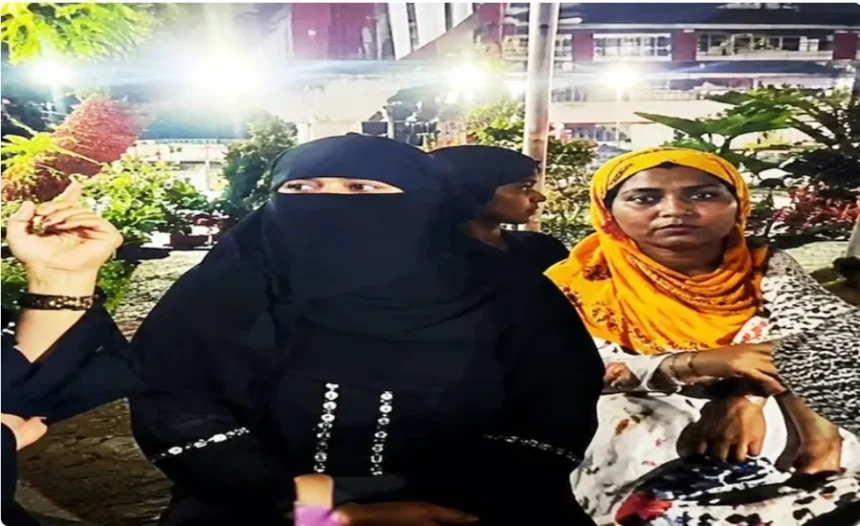
The recent detention of three Muslim women and a child in Maharashtra has ignited a significant debate over citizenship verification, police authority, and the treatment of Bengali-speaking Muslims in India. Despite presenting valid Indian identity documents, these individuals were held on suspicions of being illegal Bangladeshi immigrants, raising serious questions about discrimination and the broader implications of citizenship policies under the current government.
Background of the Incident
Authorities in Thane have detained the women and the child, alleging that they are residing in India illegally. The police claim that the identity documents provided by the detainees may be fraudulent. The issue came to the forefront following intervention by the All India Majlis-e-Ittehadul Muslimeen (AIMIM), which asserts that the women possess credible proof of their Indian citizenship and should not be detained without compelling evidence.
AIMIM Women’s Youth President, Rubina Amar Patel, detailed the party’s response after receiving reports about the detentions, which involved confirming the women’s identities with local police. Despite verification that the women are residents of West Bengal, the Thane police have not released them and continue to assert that their documents are under scrutiny. Patel criticized the police’s actions, emphasizing that the documents are legal and cannot be hastily dismissed by law enforcement.
The Implications of Verification Processes
This case underscores wider concerns related to citizenship verification in India. Historical tension surrounds the treatment of Bengali-speaking citizens, particularly Muslims, who often face undue scrutiny based on their language, appearance, or place of origin. Critics argue that these methods are discriminatory and have led to wrongful detentions and injustices against Indian citizens.
Notably, Asaduddin Owaisi, AIMIM President, has condemned such detentions as unlawful when they lack solid evidence. His view reflects a broader sentiment that policing practices should not be based solely on perceived identity characteristics. Legal experts advocate for more stringent checks and balances in citizenship verification processes, emphasizing the necessity for individuals to have a chance to contest any accusations of illegal residency.
The Role of Political and Civil Society Actors
The incident has captured attention from a range of political and civil society organizations, urging authorities to provide clarity on the evidence against the detained individuals and the status of their documents. The AIMIM, alongside various human rights activists, has continuously highlighted the alarming pattern of Bengali-speaking individuals facing detention based on unfounded claims of being illegal immigrants.
This situation raises alarm not just for those directly affected but also for the broader Muslim community in India. Lasting implications include a heightened sense of vulnerability and fear among minority populations, leading to potential social exclusion and economic disenfranchisement. The ongoing discussions surrounding citizenship rights, especially for marginalized groups, are critical to the democratic framework and social cohesion of the nation.
Why It Matters
The incident offers a critical lens on how citizenship policies intersect with social justice and discrimination in contemporary India. It raises vital questions regarding the rights of citizens, the conduct of law enforcement, and the role of political entities in influencing public perception. As the global audience looks toward India, this situation serves as a reminder of the potential fallout from unchecked immigration enforcement practices and the broader implications for social stability. The case spotlights the ongoing struggle for Bengali-speaking Muslims, challenging policymakers to address systemic discrimination and safeguard individual rights.
Frequently Asked Questions
What were the circumstances leading to the detention of the women and child?
The women and child were detained on suspicions of being illegal Bangladeshi immigrants despite possessing valid Indian identity documents. The authorities claimed the documents might be forged.
What is the stance of the AIMIM regarding the detention?
The AIMIM asserts that the women have valid proof of their Indian citizenship and have criticized the police for detaining them without sufficient evidence. They have sought clarity on the evidence against the detainees.
How do legal experts view citizenship verification practices?
Legal experts argue that citizenship verification requires careful scrutiny and established procedures. They advocate for individuals to have opportunities to contest claims of illegal residency before facing prolonged detention.
Why is the treatment of Bengali-speaking Muslims a concern?
The treatment of Bengali-speaking Muslims raises alarms about systemic discrimination and social exclusion, with patterns of wrongful detention illustrating broader issues of identity politics and human rights violations in India.