
Overview of the Rajasthan UCC Bill 2026
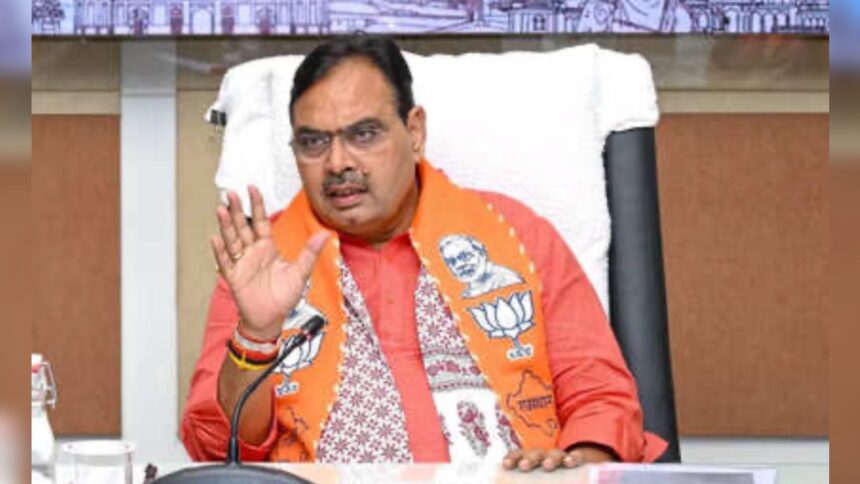
The Rajasthan Cabinet, under Chief Minister Bhajan Lal Sharma, has moved forward with the Rajasthan Uniform Civil Code (UCC) Bill, 2026, which aims to standardize laws related to marriage, divorce, inheritance, and live-in relationships across communities. This legislation is expected to be introduced in the Rajasthan Assembly during the upcoming monsoon session, beginning on 20 August 2023. If enacted, Rajasthan will align with other BJP-ruled states in adopting a uniform civil framework, raising concerns about its implications for various religious communities, including Muslims.
Key Provisions of the Bill
The UCC Bill contains several significant provisions that could impact various segments of the population, especially minorities. One notable aspect is the outright ban on polygamy, a practice traditionally allowed under certain religious legislations, including Islamic laws. While the Bill permits communities to continue celebrating marriages according to their customs, it mandates registration within a strict timeframe of 60 days. Non-compliance could result in fines up to ₹25,000.
Another vital element of the Bill is the focus on live-in relationships. Couples are required to register their relationships or notify authorities about their commencement and dissolution. This aims to protect the rights and legal standing of both partners, a provision that may raise concerns among communities where such relationships exist outside formal religious or cultural acknowledgment.
Furthermore, the Bill ensures equal inheritance rights for sons and daughters, irrespective of religion, altering the landscape for economic rights among various communities. The introduction of these measures could be perceived as a direct challenge to traditional Muslim personal laws that have governed inheritance and family matters, further marginalizing already vulnerable populations within the community.
Exemptions and Limitations
While the UCC aims for uniformity, it notably exempts Scheduled Tribes and communities with customary rights protected under the Indian Constitution. This selective application raises questions about the Bill’s motivations and its potential to foster equality among different demographics. Critics argue that such exemptions are insufficient to address the systemic discrimination faced by Indian Muslims, who may see the UCC as a vehicle for further social exclusion and economic marginalization.
Uttarakhand was the first state to implement a UCC in 2025, followed by Gujarat, Assam, and Madhya Pradesh. However, the experiences of these states raise concerns about how effectively a UCC can be applied without infringing on personal liberties, especially for minority groups. The Rajasthan UCC Bill is set to undergo scrutiny and debate in the Assembly, yet the underlying tensions surrounding community identity and religious practices loom large.
Why It Matters
The introduction of the Rajasthan UCC Bill is a pivotal moment in India’s socio-political landscape, particularly for marginalized groups like Muslims. The legislation’s potential to infringe on minority rights could exacerbate existing inequalities and foster economic isolation. For the artificial intelligence industry and developers, this situation might prompt the need for advanced algorithms to better understand and analyze social dynamics, particularly those emerging from legislative actions that affect community structures. Users of technology designed for policy analysis must be aware of the ethical implications surrounding data usage when debating contentious laws such as this one.
Frequently Asked Questions
What is the Rajasthan UCC Bill 2026?
The Rajasthan UCC Bill 2026 proposes uniform rules governing marriage, divorce, inheritance, and live-in relationships for all citizens, irrespective of their community, intending to provide equal legal rights and protections.
How does the UCC impact Muslim personal laws?
The UCC could significantly affect Muslim personal laws by imposing regulations that ban practices such as polygamy and enforce gender-neutral inheritance laws, potentially undermining previously established rights within the community.
Who is exempt from the UCC?
The legislation excludes Scheduled Tribes and communities whose customary rights are protected by the Indian Constitution, thus applying selectively to different segments of the population.
When will the UCC Bill be introduced?
The Rajasthan UCC Bill is expected to be introduced in the Rajasthan Assembly during the monsoon session starting on 20 August 2023.