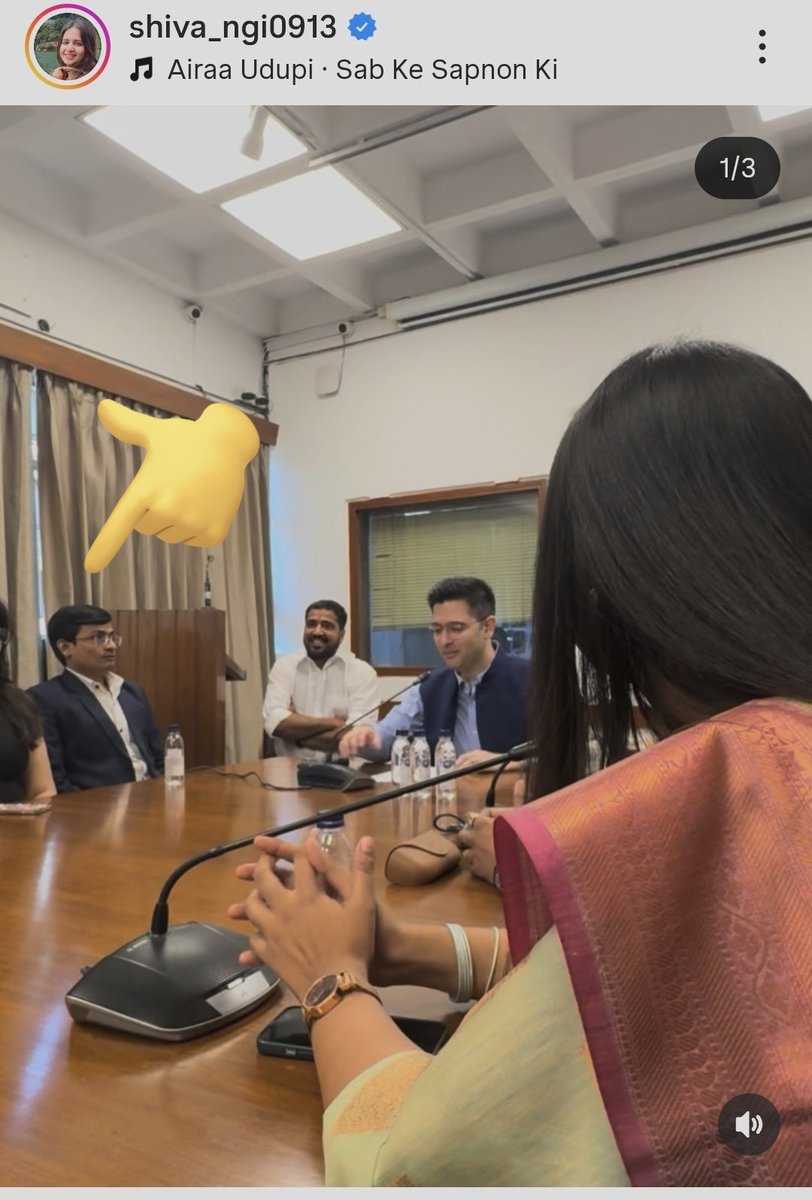

Prominent political commentator Mohammed Zubair (@zoo_bear) has raised concerns about Raghav Chadha’s engagement with a range of GenZ influencers in Punjab, alleging that many of these individuals have a history of creating paid content targeting specific communities such as Muslims and Dalits. Zubair questions the integrity of the influencers as Chadha seeks to connect with younger voters.
Assessment of Raghav Chadha’s Approach
Raghav Chadha, a prominent figure in Indian politics and a member of the Aam Aadmi Party (AAP), is looking to bolster his campaign for the upcoming elections in Punjab. According to Zubair, Chadha has been engaging with various GenZ influencers across platforms like YouTube and Instagram. These individuals regularly partake in scripted interviews and often pose as audience members, raising questions on the authenticity of the interactions they have with political figures.
Zubair highlights the trend wherein these influencers are known for their content aimed at specific religious and social groups, pointing out the strategic nature of Chadha’s associations. This context indicates that Chadha is potentially leveraging popular social media personalities to cultivate a favorable image and attract the younger demographic in Punjab, especially as the election approaches.
Historical Context of Influencer Politics
The increased reliance on social media influencers in Indian politics is not a new phenomenon. Over recent elections, political parties have recognized the potential of platforms like Twitter, Instagram, and YouTube to reach younger voters more effectively. Characters like Chadha are part of a broader strategy that aims to modernize political campaigns.
However, the use of influencers also brings about the risk of misinformation and biased narratives. According to Zubair, several influencers collaborating with Chadha have been observed producing content that polarizes communities, particularly focusing on Dalits and Muslims. This raises ethical questions about whether such partnerships hinder genuine engagement with voters or merely serve as superficial attempts to manipulate perceptions.
Concerns Over Content Integrity
Zubair emphasizes a disparity between the intentions of the influencers and the content they produce. Many of them are associated with paid content that might perpetuate stereotypes or even contribute to communal tensions. Such practices not only undermine the credibility of the influencers but also reflect poorly on political figures engaging with them.
The growing trend of paid content in the political landscape indicates an urgent need for scrutiny. Zubair’s observations challenge the efficacy and integrity of these digital influencers by questioning their motivations and the nature of the alliances they form within political circles.
Why This Matters
The implications of Chadha’s connections with influencers extend beyond mere campaign strategies; they touch upon significant political ethics and voter engagement authenticity in India. As demonstrated by Zubair’s insight, these interactions raise important questions about the manipulation of youth opinions and the ongoing social polarization.
Understanding how influencers influence public perception during elections can shed light on the dynamics of modern Indian politics. For voters, recognizing genuine engagement versus curated narratives is crucial for making informed decisions. Moreover, as the country grapples with various socio-political issues, the role of trusted voices in the digital realm becomes increasingly crucial.
Frequently Asked Questions
Who is Raghav Chadha?
Raghav Chadha is a prominent member of the Aam Aadmi Party (AAP) and serves as a Member of the Legislative Assembly (MLA) in Punjab. He is known for his efforts to engage with the youth and aims to expand the party’s influence in the region.
What concerns did Mohammed Zubair raise?
Zubair raised concerns about Chadha’s engagement with GenZ influencers, many of whom have a record of producing polarizing and paid content targeting specific communities. He questioned the integrity of these partnerships.
Why is the role of influencers significant in Indian politics?
Influencers play a significant role in shaping public opinion, particularly among younger voters. Their ability to reach a broad audience makes them valuable allies for political campaigns, but their influence also raises ethical questions.
What are the potential consequences of these alliances?
The alliances between politicians and influencers could lead to manipulated narratives and social polarization. They may hinder genuine engagement with voters, ultimately affecting the democratic process.