
Summary
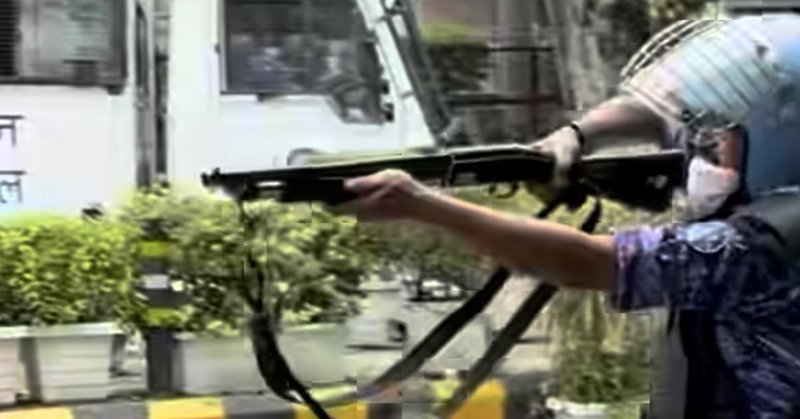
Recent revelations indicate that the Rapid Action Force (RAF) used pellet guns against protesters during a demonstration in Delhi, acting on the orders of a Delhi Police officer. This disclosure raises critical questions about policing tactics and accountability, highlighting serious deficiencies in the conduct of law enforcement during public protests.
Incident Overview
The controversial event took place on July 20, during a protest at Jantar Mantar. Following this incident, a diary entry filed at 1:24 AM on July 22 documented the directions given to the RAF by the Delhi Police to deploy pellet guns against the demonstrators. This entry came on the heels of media coverage by The Hindu, which reported the use of such force, effectively contradicting prior denials from police officials regarding the methods used to control the protest.
Withdrawal of Equipment and Internal Review
In the aftermath of the protest, the RAF withdrew critical equipment deemed excessive for crowd control, including shock batons, electric shields, and pump-action guns. This decision reflects an acknowledgment of the inappropriate deployment of force against civilians. An internal review conducted by the RAF’s Inspector General, General, found “serious deficiencies” in how the force managed the protests. The report cited a violation of the principle of “sensitive policing,” indicating a significant departure from established protocols aimed at reducing harm to civilians during demonstrations.
Implications for Policing in India
The deployment of pellet guns, especially when it is revealed that they were used at the behest of police leadership, raises serious ethical and legal questions about the conduct of law enforcement agencies in India. Experts suggest that such actions may constitute excessive use of force, complicating the government’s narrative about the necessity and appropriateness of such measures during protests. The lack of accountability for police actions can lead to erosion of public trust in law enforcement agencies, making it crucial for a thorough investigation to take place.
Why This Matters
The significance of this situation extends beyond the immediate event. In a democratic society, the right to protest is a foundational principle, and the use of aggressive policing tactics against peaceful demonstrators poses risks to civil liberties. Moreover, the actions of the RAF and Delhi Police reflect broader issues related to governance, human rights, and the public’s perception of law enforcement. For Indian citizens, this incident underscores the importance of holding police accountable and fostering an environment where the rights of individuals are respected, particularly in times of civil unrest.
Frequently Asked Questions
What led to the use of pellet guns against protesters in Delhi?
The use of pellet guns was ordered by a Delhi Police officer, as per a voyeuristic document from the RAF, which was revealed after the protest incident on July 20 at Jantar Mantar.
What actions have been taken by the RAF following the incident?
After the July 20 protest, the RAF withdrew several forms of crowd control equipment deemed excessive, including shock batons and anti-riot guns. An internal review also pointed out serious misconduct by the RAF members during the event.
Why is the withdrawal of certain weapons significant?
The withdrawal signifies a recognition that the tools used during the protest were inappropriate for ensuring public safety and may have contributed to the escalation of violence during the demonstration.
What are the broader implications for policing in India?
This incident raises critical concerns about police practices and accountability. It may influence public sentiment towards law enforcement and catalyze discussions regarding human rights and civil liberties in India.