
Summary
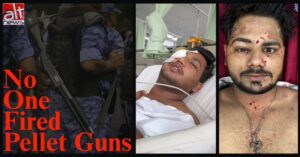
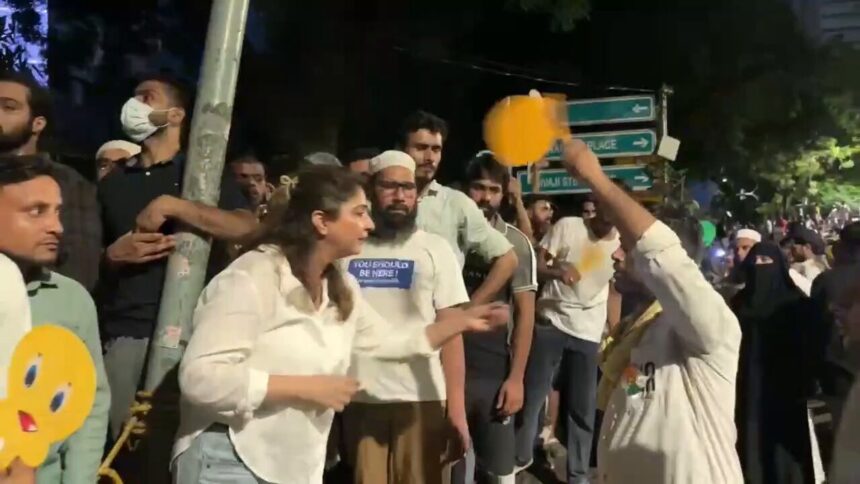
A recent statement from a man who was brutally beaten on the 20th has highlighted a concerning media bias in the coverage of protests in India. He urged for “real news” that reflects the plight of protestors who have sustained injuries, contrasting it with the extensive coverage of police injuries by major news agencies.
Media Coverage Bias
The ongoing protests in India have sparked significant media attention, yet a noticeable disparity in the portrayal of events has emerged. Major news agencies such as ANI and IANS have largely focused on the injuries sustained by police officers during clashes with protestors. Many videos and tweets have documented police injuries, but the injuries and brutality faced by the protestors remain conspicuously underreported.
This selective reporting not only skews public perception but also raises questions about the nature of media ethics in times of political dissent. The protestors, representing a diverse demographic of Indians advocating for their rights, are often portrayed as antagonists rather than individuals seeking justice. This narrative can shape political discourse and influence public opinion significantly.
Impact on Public Perception
When the media emphasizes certain angles of a story while neglecting others, it can unduly influence how the public perceives the events. In this instance, the emphasis on police injuries over those of protestors could lead to a diminished understanding of the underlying issues driving the protests.
Furthermore, this bias can reinforce governmental narratives that frame protests as violent or unlawful. By focusing predominantly on injuries to law enforcement, the media risks legitimizing harsh responses by the state and diminishing the legitimacy of the concerns raised by the protestors. As a result, it can create an environment where dissent is stifled and voices of marginalized groups go unheard.
Wider Context of Protests in India
The current protests are part of a broader landscape of civil unrest in India, driven by a mix of socio-political grievances. Issues such as farmer rights, minority rights, and economic hardships have rallied diverse groups to the streets. However, media representation plays a critical role in either amplifying or overshadowing these voices.
When specific narratives are highlighted, they can overshadow the fundamental causes of unrest. The absence of coverage regarding the injuries suffered by protestors can further alienate these citizens and exacerbate feelings of disenfranchisement. It is crucial for balanced reporting to ensure that all perspectives are represented, fostering a more informed and engaged public.
Why This Matters
The disparity in media coverage has significant political implications for India. In an era where public sentiment can heavily influence policy and governance, understanding the complete narrative surrounding protests is essential. Misrepresentation can lead to public apathy toward legitimate grievances and perpetuate cycles of violence and repression.
The call for comprehensive and unbiased reporting is not merely about fairness; it is about the health of a democratic society. When individuals feel their voices are being marginalized in the media, it can lead to increasing mistrust in institutions, including the media itself. A well-informed citizenry is vital for democracy, and it is incumbent upon journalists to provide complete and accurate coverage of events that shape public discourse.
Frequently Asked Questions
What prompted the protests on the 20th?
The protests stemmed from a variety of social justice issues, including demands for rights related to economic conditions, minority protections, and dissatisfaction with governmental policies.
How have major news agencies responded to the protests?
Major news agencies have focused primarily on injuries sustained by police officers during the protests, with little attention given to the injuries or circumstances faced by protestors.
Why is balanced media coverage important?
Balanced media coverage is critical for a healthy democracy as it ensures that all voices are heard, allowing the public to form well-rounded opinions on important issues.
What repercussions can arise from biased media reporting?
Biased media reporting can foster public mistrust, marginalize certain groups, and potentially amplify grievances, leading to increased tensions and conflict in society.