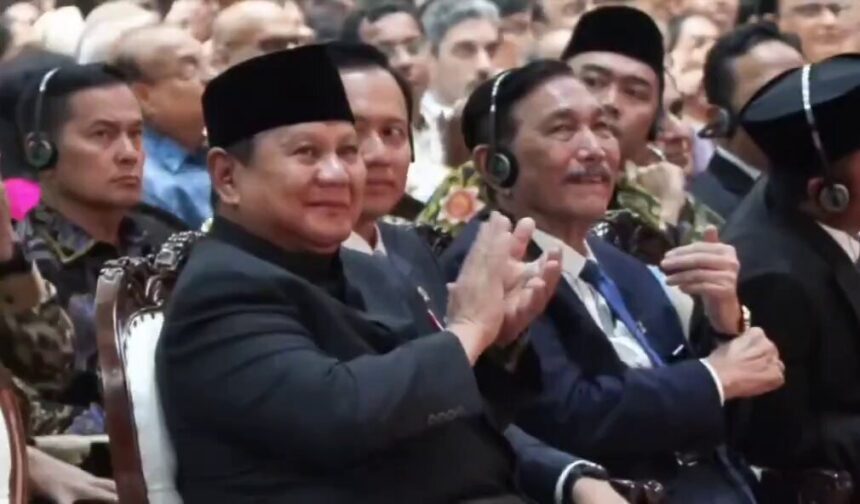

Prime Minister Narendra Modi recently made a curious observation during a public address, connecting significant dates to emphasize his point. He noted that January 26, the date of India’s Republic Day, has numerological ties to the number 8, similar to Indonesian President Prabowo Subianto’s birthday on the 17th, which also reduces to 8. This connection has sparked discussion on numerology’s place in political statements.
Connecting Dates and Democracy
During a recent event, PM Modi remarked on the dates involved in India’s Republic Day celebration, stating, “India celebrated its Republic Day on January 26 last year. Twenty-six… 2 plus 6 equals 8.” This statement connects the significance of the day to numerology, suggesting a deeper significance behind these seemingly coincidental numbers. Numerology has often been a part of cultural discourse, yet its introduction into political rhetoric raises eyebrows.
The Role of Numerology in Politics
Numerology, a belief system that assigns mystical significance to numbers, is not new in Indian culture. Politicians have historically used dates and numbers to frame narratives or emphasize themes, intentionally or unintentionally. By linking numerological significance to significant dates, leaders can create a sense of destiny or purpose, which resonates with voters. Modi’s connection of numbers and birthdays not only entertains but also cultivates a narrative that is culturally familiar among many Indians.
Nationalism and Symbolism
Republic Day in India is a moment of immense national pride, commemorating the adoption of the Constitution and the birth of a sovereign republic. By tying this date to numerology, Modi imbues Republic Day with layers of symbolic meaning. Similar tactics can be seen where leaders connect their policies or ideologies to culturally significant dates, thereby reinforcing their narratives with emotional and traditional resonance. This approach not only enhances the charm of the message but also strengthens nationalistic sentiments among followers.
Why This Matters
The intersection of numerology and political statements highlights how leaders like Modi leverage cultural tools to resonate with the electorate. As India grows increasingly diverse and polarized, the use of culturally significant symbols becomes essential for unity. Such statements can influence how political events are perceived, contextualizing them within a broader cultural framework. This blending of politics with cultural spirituality reflects the complex landscape of Indian democracy, where tradition and modern governance often intertwine.
Frequently Asked Questions
What was the context of Modi’s statement about numerology?
PM Modi made the statement during a public address where he linked India’s Republic Day date, January 26, to the number 8 through basic numerology, correlating it to Indonesian President Prabowo Subianto’s birthday.
Why is numerology significant in Indian politics?
Numerology in Indian politics serves as a cultural connection, allowing politicians to resonate with the electorate on a deeper level by invoking familiar symbols and numbers that hold meaning in societal contexts.
How do voters generally perceive such statements?
Voter responses can vary, with some seeing these numerological connections as clever and engaging, while others may perceive them as superstitious or lacking substance in addressing pressing issues.
What is the political impact of linking cultural elements with national celebrations?
Linking cultural elements like numerology to national celebrations can reinforce nationalist sentiments, fostering unity and pride, while also framing the leader’s narrative within culturally significant contexts that resonate with the populace.