
Summary
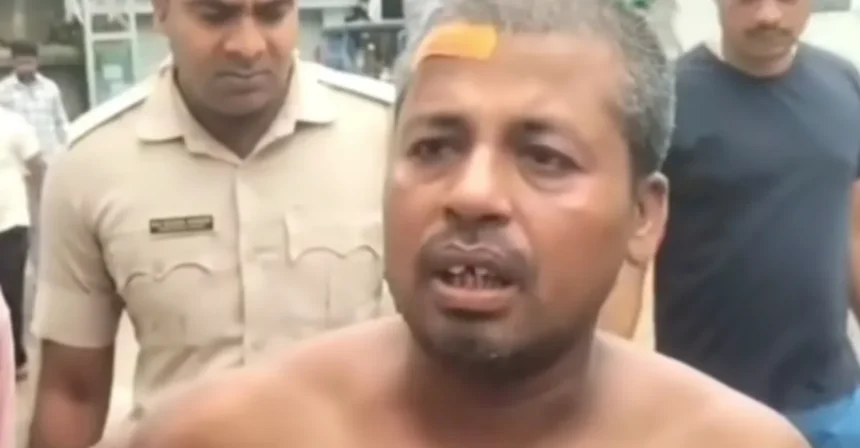
In West Bengal, the alleged police encounter killing of Prabhas Mondal, a key suspect in the horrific rape and murder of an 11-year-old girl, raises significant issues of public safety and law enforcement practices. The outcry following the crime and subsequent police actions reflects broader societal tensions and the complex dynamics at play under the current political landscape, particularly under the BJP-led government.
The Gruesome Crime and Its Fallout
The case unfolded on July 4, when CCTV footage reportedly captured Mondal with the young girl shortly before she disappeared. Her body was subsequently found in a pond, showing signs of being gang-raped and murdered, sparking outrage among local communities. Protests erupted, with demonstrators blocking roads and engaging in acts of violence, including damaging police property. Tragically, an innocent man was lynched by a mob, believing he was involved in the crime illustrating the chaotic aftermath stemming from the community’s anger.
Police Encounter and Its Implications
On July 8, Mondal was killed in what police describe as a self-defense encounter during a crime scene reconstruction. According to officials, he had been giving misleading statements, which prompted the police to take him to the site. It is reported that Mondal managed to seize a firearm from an officer, leading to a shootout where he sustained fatal injuries. His mother publicly condemned her son, stating he “got what he deserved,” highlighting societal attitudes toward culpability and violence. This incident is the first police encounter since the BJP came to power in West Bengal, igniting discussions about law enforcement strategies and accountability in the region.
Government Response and Broader Implications
West Bengal Chief Minister Suvendu Adhikari visited Baruipur following the public outcry, instructing police to report on the situation swiftly and declaring a “zero tolerance” approach towards similar crimes. Simultaneously, about 200 individuals involved in the protests have been identified, with 20 arrests made for violence against public property. This official stance highlights the government’s response to public unrest and the balancing act of maintaining law and order amidst rising communal tensions. The handling of such sensitive cases often warrants scrutiny regarding the underlying narratives that might contribute to social and political instability in the region.
Why It Matters
The interplay between law enforcement, public outrage, and governmental accountability is pivotal in understanding contemporary issues faced in regions under communal strain, such as in West Bengal. The police’s use of force in this case raises questions about methods of crime prevention and the potential for abuse of power. In the broader context, incidents like this serve to shed light on how marginalized communities, including minorities, perceive their safety and justice under current political rule. Such dynamics can exacerbate feelings of discrimination and social exclusion, particularly among vulnerable populations, impacting community stability and trust in law enforcement.
Frequently Asked Questions
What sparked the protests in Baruipur?
The protests were inspired by the horrific rape and murder of an 11-year-old girl, with locals demanding justice and accountability from law enforcement and the government.
What happened to Prabhas Mondal during the police encounter?
Prabhas Mondal was killed during a police encounter after allegedly attempting to escape while holding a police firearm. The police claim they acted in self-defense.
How did the government respond to the protests and the murder case?
Chief Minister Suvendu Adhikari directed police to conduct an investigation and emphasized a “zero tolerance” policy towards such crimes, while also announcing plans to hold accountable those involved in the protests.
What are the implications of police encounters in India?
Police encounters have raised significant concerns about due process, human rights, and the potential misuse of force, reflecting broader systemic issues in law enforcement, especially in politically sensitive areas.