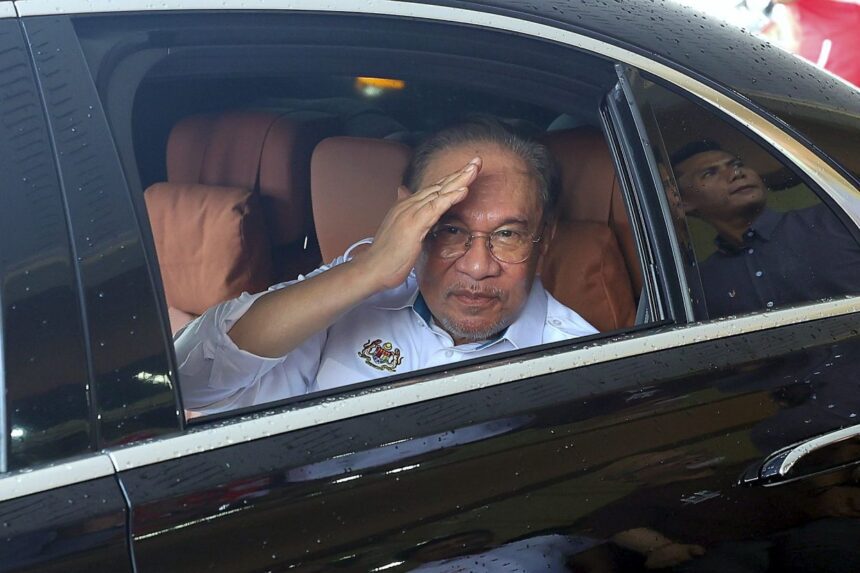

Prime Minister Datuk Seri Anwar Ibrahim has directed relevant ministries and agencies to address the shortage of foreign workers in the Indian Muslim restaurant sector within one month. This initiative underscores the balance between meeting manpower needs and managing the foreign labor workforce amid ongoing concerns of social exclusion faced by the Indian Muslim community in Malaysia.
Government Action on Labor Shortages
Anwar’s directive, which is set to begin on July 27, highlights the urgency of resolving acute manpower shortages in sectors critical to the Malaysian economy, such as the Indian Muslim restaurant industry. During an official launch of the Indian Muslim Transformational Framework 2030 (#IMTF2030), he emphasized the need for a careful analysis of priority sectors that are struggling with labor shortages. Anwar also reiterated that while there is an immediate need for foreign workers, it is crucial for the government to avoid “opening the floodgates” to unrestricted immigration.
Addressing Community Concerns
During the launch event, Anwar acknowledged the feeling of marginalization within the Indian Muslim community and stressed that their concerns regarding employment, financing, and education must be addressed. The Prime Minister made a commitment to listen and take actionable steps to improve socio-economic conditions for this community, thus recognizing the historical context of discrimination and exclusion they face. As part of these efforts, he approved a RM2 million allocation aimed at supporting welfare and education for underprivileged children under Pertubuhan Gabungan Mukmin Nasional (Mukmin).
Balancing Progress with Inclusivity
Anwar’s approach reflects a broader commitment to ensuring that government assistance is equitable and attuned to the specific needs of marginalized groups, particularly in a landscape often marked by social and economic inequalities. He called on Malaysians to work together to foster nationwide progress through unity, compassion, and mutual support, thereby rejecting any moves toward social exclusion based on community identity. This government stance is crucial for ensuring that the unique challenges faced by the Indian Muslim community are recognized and addressed, thus fostering a more inclusive society.
Why It Matters
This initiative and its foundational principles reveal much about the current socio-political climate in Malaysia, particularly regarding how the government navigates the complexities of its diverse demographic landscape. The government’s response can signal to industries and businesses the importance of addressing labor shortages while also considering equity and inclusivity. As efforts to resolve these issues unfold, it may also affect how foreign labor is perceived and utilized, impacting economic stability and community relations significantly.
Frequently Asked Questions
What is the Indian Muslim Transformational Framework 2030?
IMTF2030 is a comprehensive strategic transformation framework aimed at enhancing the socio-economic status of the Malaysian Indian Muslim community.
Why did Anwar Ibrahim emphasize not opening the floodgates for foreign workers?
Anwar stressed the need for a balanced approach to immigration, recognizing that an unrestricted intake could lead to other issues, including the existing problem of undocumented foreign workers in Malaysia.
What specific issues did the Indian Muslim community raise?
Community members expressed concerns regarding access to employment opportunities, financing, education, and the need for further support from the government to overcome marginalization.
How will the government’s approach affect the Indian Muslim restaurant sector?
The government’s efforts are targeted at alleviating labor shortages in this sector, which is vital for the community’s economic livelihood, while also ensuring that the solutions implemented are sustainable and equitable.