
Summary
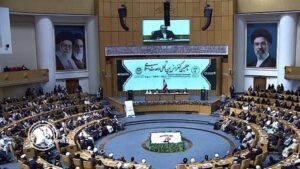
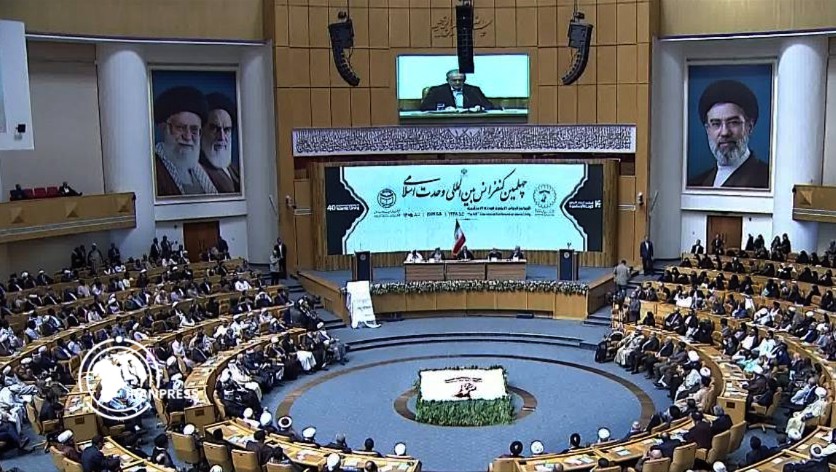
At the 40th International Islamic Unity Conference in Tehran, Iranian politician Pezeshkian emphasized the need for unity among Muslim nations while advocating for collective security rather than aggression. He called for enhanced cooperation and internal strengthening of Muslim societies, stressing the importance of supporting Palestine as a duty rather than a privilege.
The Call for Collective Security
Pezeshkian articulated a vision for a more unified approach to regional security, asserting that defending Iran should not equate to hostilities against neighboring Muslim countries. He urged that no Muslim nation should permit its land to be used for aggression against another, highlighting the necessity of mutual security arrangements founded on shared experiences of conflict.
“We must manage the security of the region together,” he stated, suggesting that collective security is an exercise in “collective wisdom.” This implies that while nations may differ in foreign policy, they can still collaborate to ensure peace and stability. His remarks prompt critical conversations about how Muslim countries can transcend historical grievances to forge closer ties.
Cooperation in Science and Economy
Beyond security issues, Pezeshkian stressed the importance of scientific and economic collaboration among Muslim nations. He proposed that Islamic nations work together on scientific projects and promote the circulation of capital within their borders. This is a strategic call to uplift economic standings, enhance self-sufficiency, and reduce reliance on non-Muslim economies.
“Muslim countries have spent years discussing their common enemies; it is time to focus on our shared future,” he said, indicating a critical shift in narrative towards proactive partnership. Such initiatives could bolster not just the economies but foster cultural exchanges that cement bonds among diverse Muslim communities.
Unity as a Strategic Imperative
Pezeshkian’s remarks highlight that for Muslim unity to be meaningful, it must strengthen from within individual societies. He posed pivotal questions about whether countries could manage their differences and safeguard each other effectively. This line of thinking is a reminder that unity is both a goal and a process that requires daily commitment.
Referring to historical Islamic principles, he asserted, “Unity is not a tactic; it is the strategic path of the Islamic Ummah.” This perspective challenges Muslim societies to review their internal dynamics and address issues of division that may undermine collective strength.
Why It Matters
The themes addressed by Pezeshkian during the conference resonate with ongoing geopolitical challenges faced by Muslim nations. By advocating for unity, cooperation, and internal fortitude, these discussions may influence policy-making strategies aimed at enhancing stability and promoting mutual growth within the Islamic world. Moreover, at a time when the global political landscape is increasingly fragmented, such calls for collective wisdom and cooperation could pave the way for a re-evaluation of inter-state relations, with technological and economic implications that extend beyond the immediate audience.
Frequently Asked Questions
What is the significance of unity among Muslim countries?
Unity is crucial for collective security and economic stability, allowing Muslim nations to address common challenges collaboratively rather than through hostility or isolation.
How does Pezeshkian view Iran’s role in the region?
Pezeshkian believes that Iran should extend cooperation to its neighbors and work together to manage regional security, rather than being perceived as a threat.
What initiatives did Pezeshkian propose for economic cooperation?
He proposed joint scientific projects among Muslim nations and encouraged the circulation of capital within Islamic countries to foster economic partnerships.
How does Pezeshkian relate support for Palestine to Islamic unity?
Pezeshkian regards support for Palestine as a moral duty tied to the values of Islam, emphasizing that helping oppressed people transcends sectarian lines and promotes wider unity among Muslims.