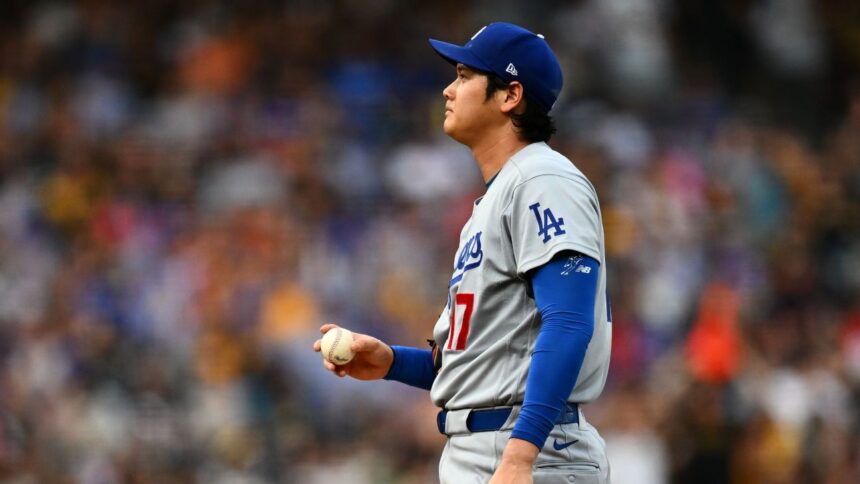

In a surprising twist during a high-stakes MLB game, the Los Angeles Dodgers fell to the Pittsburgh Pirates after ace Shohei Ohtani’s performance took an unexpected turn. His reluctance to challenge umpire calls prompted crucial runs against him, igniting discussions about the need for proactive play within the dugout.
The Game’s Turning Point
In a matchup on June 10, 2026, the Dodgers were comfortably ahead, backed by strong performances, including a grand slam by rookie Ryan Ward. However, as Ohtani took the mound in the seventh inning, the game shifted dramatically. Initial threats from Pirates batters set the stage for a pivotal moment when second baseman Brandon Lowe came to bat.
Ohtani fell behind 3-0, with close calls from plate umpire Felix Neon that went against him. With only one challenge left, catcher Dalton Rushing opted not to contest the calls, leading to Lowe’s two-run double and the eventual unraveling of the Dodgers’ five-run lead. This decision led to a five-run rally from the Pirates’ bullpen, marking a significant upset.
Ohtani Reflects on the Situation
After the game, Ohtani expressed regret about not influencing the decision to challenge the calls from the umpire more assertively. “I usually let the catchers make that determination,” he noted, but recognized the situational importance. As a player of exemplary caliber, his acknowledgment of this misstep raises questions about leadership and player autonomy in crucial moments.
Despite his strong resume, Ohtani allowed season highs in hits, runs, and earned runs during this game. Even as he competed fiercely, he also admitted to some miscommunication with Rushing, highlighting the challenges of not having worked closely with the backup catcher before this game.
The Dodgers’ Streak Ends
Before this loss, the Dodgers had an impressive record of 36 wins against just 3 losses when leading after the seventh inning, a testimony to their dominance in the league. However, the rare vulnerability displayed in this game raised alarms. Manager Dave Roberts described challenging pitches as an “inexact science,” indicating a reluctance to disrupt the flow of the game over uncertain outcomes.
The Pirates capitalized on the Dodgers’ mistakes, with rookie Tyler Callihan making significant contributions, including a three-run homer in the eighth inning that ultimately tilted the game toward the Pirates, who secured one of their most unlikely wins of the season. The game left Ohtani and the Dodgers reflecting on missed opportunities and the need to adapt in high-pressure scenarios.
Why This Is Trending
As cricket continues to dominate Indian sports, the emergence of baseball, particularly through stars like Shohei Ohtani, is capturing attention. Ohtani’s multifaceted abilities as both a pitcher and hitter resonate with Indian audiences familiar with athletes excelling in dual roles. Indians are increasingly following international sports narratives, and Ohtani’s recent performance raises discussions on strategy, player communication, and pivotal moments in critical matchups, drawing parallels to cricket’s own strategic complexities.
Frequently Asked Questions
What caused the Dodgers to lose that game against the Pirates?
The Dodgers were leading by five runs when Shohei Ohtani allowed a two-run double due to a lack of challenge on close calls against him. This opened the door for a five-run rally by the Pirates.
Did Ohtani’s performance impact his season stats?
Yes, in this game, Ohtani allowed season highs in hits, runs, and earned runs, marking a rare rough outing for the standout pitcher.
Why did the catcher choose not to challenge the umpire’s calls?
Catcher Dalton Rushing opted not to challenge the calls due to the uncertainty of the outcome and the risk of running out of challenges, which could impact future innings if confirmed.
How does this game reflect on Ohtani’s leadership?
Ohtani’s reflection after the game indicates a potential need for stronger communication and leadership on the field, especially during crucial moments where decisions can drastically alter the game’s outcome.