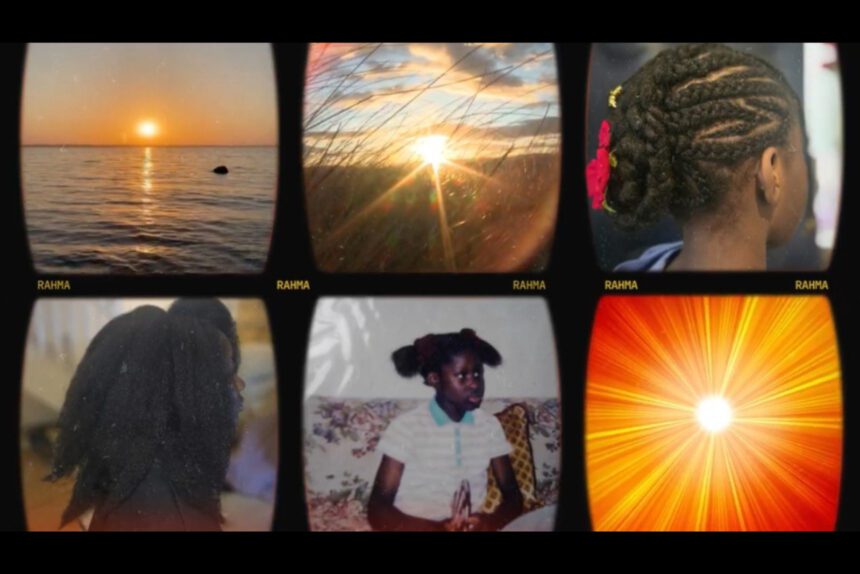

Celebrating Black Women’s Stories: A New Film by Soukeyna Osei-Bonsu
Soukeyna Osei-Bonsu’s feature-length film Towards Sun explores the beauty, joy, and complexities of Black womanhood through the narratives of four women. By documenting their experiences, Osei-Bonsu sheds light on the intersection of identity, femininity, and cultural heritage in relation to natural hair, particularly within the Muslim community.
Embracing Heritage: Natural Hair and Cultural Identity
Growing up in a world where natural Afro hair was often stigmatized, Soukeyna Osei-Bonsu experienced both encouragement and challenge in her relationship with her hair. With Moroccan and Ghanaian heritage informing her identity, she recalls fond memories of her mother’s affirmations. “I remember one time I did Bantu knots… my mum telling me I looked absolutely beautiful,” Osei-Bonsu reflects. This early support stood in stark contrast to the ridicule she anticipated at school.
However, her experience is not universal among Black women. Osei-Bonsu’s film dives deeper into the specific experiences of Black women, particularly those who are Muslim, as they navigate societal pressures and cultural expectations surrounding their hair and beauty. “We’ve heard about it outside of the Muslim community… but I never saw a focus on what it was like to wear a hijab,” she states, advocating for an inclusive discussion that acknowledges the unique challenges faced by this demographic.
A Cinematic Exploration of Intersectionality
The film features Osei-Bonsu, her friend Amatullah Salau-Deen, and natural hair practitioners Rahma Suleiman and Muna Sheikh-Mao. By focusing on the experiences of Black Muslim women, Osei-Bonsu highlights the double consciousness they often encounter—straddling the line between cultural expectations and the mainstream world. Salau-Deen recounts experiences of being perceived as bald under her hijab, a misconception that amplifies the need for more nuanced narratives.
Osei-Bonsu emphasizes the necessity for greater representation and education around Afro hair care for those who wear hijabs, as many do not possess the knowledge required to maintain their natural hair. “It would be really interesting if everyone understood the different types of Black women that exist and the unique issues in different communities,” she reflects. Osei-Bonsu’s intent is not merely documentation but rather the celebration of diverse experiences and beauty.
Reclaiming Narratives: The Legacy of Black Womanhood
Previously titled Noir, Osei-Bonsu ultimately chose Towards Sun to signify a sense of lightness and positivity that she hopes to inspire around a subject often fraught with heaviness. Through her work, she seeks to archive Black women’s stories and challenge existing narratives that predominantly focus on struggle and hardship.
With visuals derived from family archives, Osei-Bonsu interweaves personal histories, such as that of her glamorous grandmother, into the film. “I wanted to document her story… a Black woman who was fashionable, elegant and aspirational,” she states. Her goal is to create a lineage for younger generations, allowing them to see themselves represented in uplifting stories that go beyond traditional frameworks.
Why It Matters
Osei-Bonsu’s initiative to document the experiences of Black Muslim women and their relationship with natural hair is significant for several reasons. Firstly, it emphasizes the importance of including diverse voices in the broader narrative of femininity and identity. By focusing on the intersection of race, religion, and beauty, the film seeks to educate audiences about unique cultural experiences that are often overlooked. Furthermore, this documentation serves as a form of empowerment, offering representation that younger generations can aspire to, which can bolster confidence and pride in their identity.
Frequently Asked Questions
What is the main focus of the film Towards Sun?
The film concentrates on the personal stories of four Black women, exploring themes of beauty, identity, and the specific experiences faced by Black Muslim women regarding their natural hair.
Why is representation important in the context of this film?
Representation is crucial because it elevates diverse voices, challenges stereotypes, and promotes understanding of the unique issues faced by different communities, particularly in discussions about beauty and identity.
What inspired Soukeyna Osei-Bonsu to create this film?
Osei-Bonsu was motivated by her own experiences and struggles regarding her natural hair and cultural identity, along with her desire to shed light on the stories of others who share similar backgrounds and challenges.
How does the film aim to impact younger generations?
By archiving these stories and presenting them in an uplifting context, Osei-Bonsu hopes to inspire younger generations to recognize and celebrate their beauty and identity, creating a lineage they can look up to.