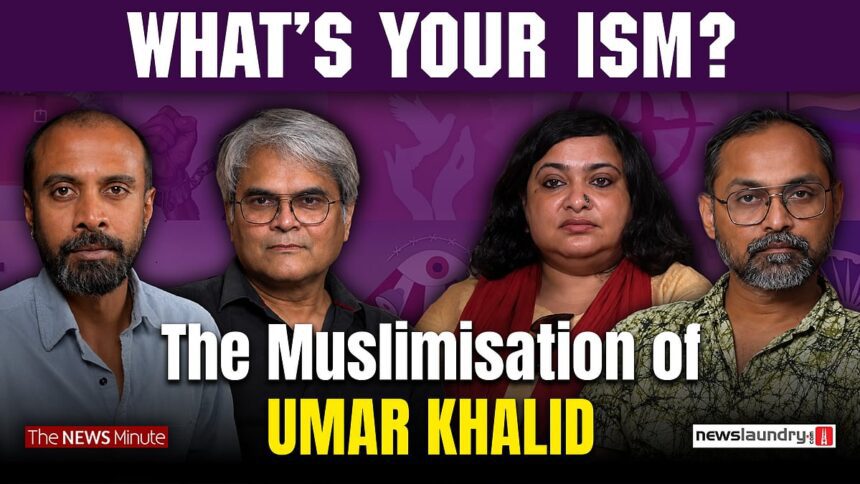

The recent discussions surrounding the book ‘Umar Khalid and His World’ delve into significant moments in India’s sociopolitical landscape, particularly highlighting the experiences of student activists from Jawaharlal Nehru University (JNU). The conversations, led by notable friends and mentors of Umar Khalid, bring attention to issues such as anti-CAA protests, the marginalization of minority voices, and the distancing of liberal society from certain activists like Sharjeel Imam.
Student Activism in JNU
Umar Khalid, a prominent student activist, has become a symbol of resistance against the current political climate in India. His friends and mentors, Banojyotsna Lahiri, Anirban Bhattacharya, and Shuddhabrata Sengupta, share their experiences of student life at JNU, which was a hub for political discourse and activism. They recount the formation of the Bhagat Singh Ambedkar Students Organization (BASO), which aimed to amplify voices advocating for social justice and secularism. Khalid’s activism, particularly during the anti-CAA protests, played a pivotal role in galvanizing students and citizens alike against government policies perceived as discriminatory.
The Impact of Shaheen Bagh and Anti-CAA Protests
The Shaheen Bagh protests became a watershed moment in the anti-CAA movement, symbolizing a unique and peaceful assertion of dissent. These protests transcended communal lines, bringing together people from diverse backgrounds united against what they viewed as a threat to constitutional rights. The speakers at the discussion emphasized the importance of these movements in redefining the narrative around citizenship and belonging in India, while also noting the repercussions faced by activists, including Umar Khalid and Sharjeel Imam, who have been jailed for extended periods. This raises critical questions about freedom of speech and the state of democracy in India.
Public Perception and the Role of Liberal Society
Another significant theme discussed is the perceived distance between liberal society and certain activists. The case of Sharjeel Imam illustrates how certain figures have been marginalized even within progressive narratives. As society grapples with issues of nationalism and identity, the reluctance of some to engage with Imam’s story reveals the complexities of being a visible minority in today’s political landscape. Moreover, there is a critical analysis of the prioritization of individual personalities over ideology, exemplified by actor Vijay’s electoral victory in Tamil Nadu, suggesting a shift in public engagement with politics that indicates the need for a more nuanced understanding of activism and its champions.
Why It Matters
The discussions surrounding Umar Khalid and his contemporaries highlight the ongoing struggles against discrimination and oppression in India, reflecting broader global trends of marginalized communities seeking recognition and rights. Understanding these dynamics is crucial for comprehending not just Indian society, but also emerging societal trends that prioritize personal narratives and identities in the political arena. The need for solidarity among activists and a reevaluation of how movements are viewed by broader society remains essential for any constructive dialogue about the future of democracy and justice.
Frequently Asked Questions
Who is Umar Khalid?
Umar Khalid is a student activist associated with JNU, known for his outspoken stance against the Citizenship Amendment Act (CAA) and involvement in various social justice movements in India.
What are the anti-CAA protests?
The anti-CAA protests emerged as a response to the Citizenship Amendment Act, which many believe discriminates against Muslim citizens in India. These protests mobilized large segments of the population, particularly students.
What is Shaheen Bagh?
Shaheen Bagh refers to a protest site in New Delhi where citizens, especially women, gathered for months to oppose the CAA and advocate for the rights of marginalized communities, becoming an iconic symbol of dissent.
Why are some activists marginalized in public discourse?
Activists like Sharjeel Imam face marginalization due to their controversial stances or the broader political context that frames them as threats to national unity, leading to a lack of engagement from more liberal factions of society.