
Growing Anxieties Over Voter Registration Among Muslim Families in Pune
The ongoing Special Intensive Revision (SIR) Enumeration process in Maharashtra reveals significant concerns within the Muslim community regarding voter registration. Reports indicate an influx of calls from anxious families aiming to ensure their names remain on the electoral rolls, particularly following alarming developments in West Bengal during previous elections.
Community Response to Enumeration Fears
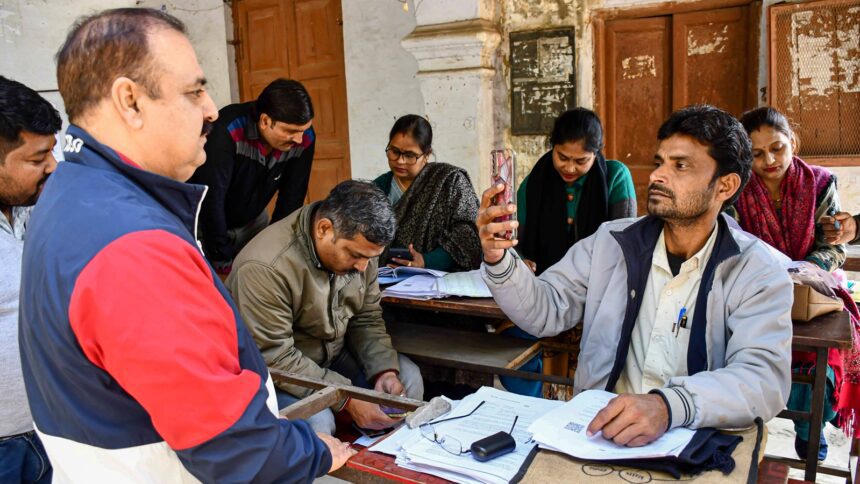
Block Level Officer (BLO) Jyotsna Shinde’s recent experiences in Pune highlight a broader sense of urgency among Muslims about participating in the electoral process. Shinde recounted a conversation with Mushraf Ali Peerzada, who insisted on delivering documents to facilitate his family’s enumeration. This urgency is echoed by several other BLOs working in the area, pointing to a trend where the majority of inquiries they received came from Muslim families.
Swati Owhal, another BLO, stated, “I have gotten at least six to seven such calls since the morning. They are all from Muslim families.” Such responses underscore the community’s fears of potential disenfranchisement, recalling the controversies in West Bengal where over 27 lakh names were left “under adjudication” due to alleged discrepancies.
Historical Context of Disenfranchisement
Concerns stemming from electoral processes are not unfounded. The BJP’s recent victory in West Bengal has intensified fears within minority communities, particularly Muslims. According to Anjum Inamdar, President of the Muslim Moolnivasi Manch, “There is a fear of deletion of names amongst the Muslim community.” This fear is compounded by the lack of solid documentation for many families, especially those without access to records from parents or grandparents.
Imran Shaikh from Jamat-e-Islami Hind emphasized efforts made by local organizations to assist families in gathering necessary documentation. Heightened awareness campaigns have been initiated to educate the community about the importance of the SIR, with resources shared via social media and community gatherings.
Institutional Support and Challenges
Despite the evident anxieties, there have been efforts from BLOs to support families throughout the enumeration process. They are conducting door-to-door visits, a practice positively acknowledged by community leaders like Shaikh. “We have helped thousands of people till now. BLOs are now doing door-to-door visits. The BLOs have been helpful and are cooperating with us,” he said.
However, discrepancies in documentation continue to present challenges, with inconsistencies in spelling and records being a common issue. Such issues can complicate the enumeration process and further deepen feelings of marginalization among community members.
Why It Matters
This situation is emblematic of broader issues of social exclusion and discrimination that minority communities, particularly Muslims in India, face. The challenges tied to the SIR process reflect ongoing tensions between governmental policies and social justice. The implications of disenfranchisement extend beyond mere voting; they relate to the fundamental notion of citizenship and belonging within a national narrative.
As the SIR unfolds, it could serve as a barometer for community relations in India, influencing future electoral strategies and policies that may either deepen or bridge these divides. The potential for economic ramifications stemming from boycotts or protests cannot be disregarded as communities rally for their rights.
Frequently Asked Questions
What is the Special Intensive Revision (SIR) Enumeration process?
The SIR is an initiative by the Election Commission of India to update the electoral rolls, ensuring inclusive and accurate representation of voters.
Why are Muslim families particularly anxious about the SIR?
There are fears of disenfranchisement reminiscent of incidents in West Bengal, where numerous names were left under adjudication, affecting voters’ right to participate in elections.
What actions are community organizations taking?
Community leaders are organizing awareness campaigns to educate families about the importance of documentation and actively providing support during the enumeration process.
How are BLOs assisting in this process?
Block Level Officers are conducting door-to-door visits to collect necessary documents and facilitate the enumeration process, offering guidance and support to families.