
Summary
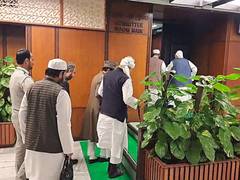
On July 24, prominent Muslim leaders and organizations will convene at the Constitution Club in New Delhi to address pressing issues affecting the Muslim community in India. The gathering follows concerns over government inaction regarding justice for Muslims and will consider significant measures such as launching a non-cooperation movement and potential election boycotts.
Context of the Meeting
The meeting, organized by key figures including Congress leader Salman Khurshid and AIMIM chief Asaduddin Owaisi, underscores heightened tensions within the community. Participants are alarmed by perceived failures of government entities to uphold justice in cases affecting Muslims, such as mob lynching incidents and the demolition of mosques and homes. These discussions are crucial as various political leaders and organizations gather to articulate the community’s grievances.
Key Topics of Discussion
Attendees will deliberate on several significant topics, including the growing issue of demolition drives that have targeted mosques, madrasas, and Muslim-owned properties in various states. Other agenda items are the proposed Uniform Civil Code (UCC) and the closure of madrasas in regions such as Uttarakhand. The meeting is expected to conclude with discussions on whether to initiate a non-cooperation movement or boycott elections, with varying opinions on the political strategy going forward.
Community Concerns and Future Actions
The sentiments among community leaders seem to reflect an urgent need for a coordinated response to what they characterize as systemic marginalization. Past gatherings, including a preparatory meeting on July 10, have indicated that the push for a strong collective voice has grown stronger among participants. Disagreements on whether to engage with or boycott electoral processes reveal deep-rooted anxieties about the efficacy of secular political parties in advocating for Muslim rights.
Why It Matters
The discussions scheduled for July 24 signal an important juncture in the representation and rights of Muslims in India. Analyzing the current sociopolitical climate reveals systemic discrimination that not only affects community members at an individual level but also has implications for national unity and social cohesion. As Indian Muslims articulate their demands and consider strategies for political influence, the outcome may shape the community’s future engagement with governance and civil rights. Such movements inform global perspectives on minority rights and indicate the broader ramifications of political policies that foster marginalization.
Frequently Asked Questions
What is the purpose of the July 24 meeting?
The meeting aims to discuss issues affecting the Muslim community in India and consider actions like a non-cooperation movement and potential election boycotts in response to perceived government failures.
Who are the key figures participating in the event?
Expected participants include Congress leaders Salman Khurshid, Asaduddin Owaisi from AIMIM, and several Muslim MPs and representatives from various organizations.
What issues will be addressed at the meeting?
The meeting will cover topics such as demolition drives targeting Muslim properties, mob lynching incidents, the proposed Uniform Civil Code, and the closure of madrasas in certain states.
What actions might be considered by the community?
Participants are likely to discuss possible actions, including launching a non-cooperation movement or boycotting elections, reflecting frustrations over inadequate representation from political parties.