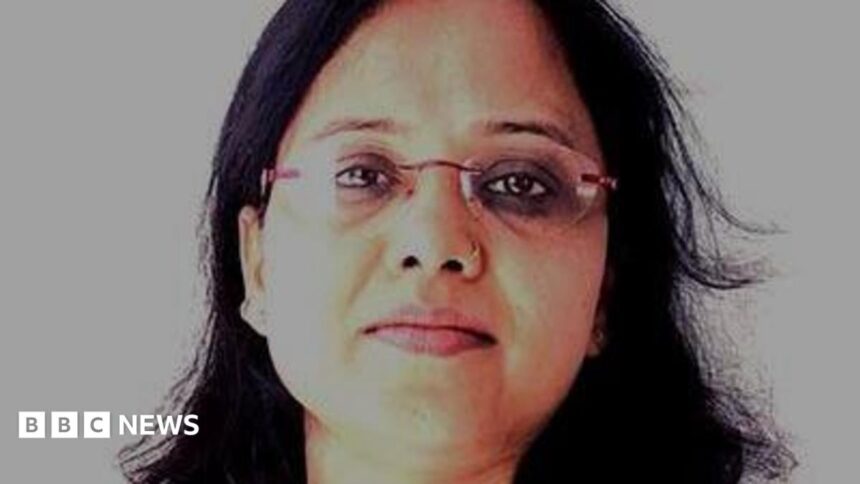

Judicial Sentence Sparks Severe Backlash
In a striking case from Madhya Pradesh, India, Additional District and Sessions Judge Tabassum Khan has faced intense online abuse and threats following her sentencing of 14 men to life imprisonment for the lynching of Muslim man Nazir Ahmad. The backlash highlights the increasing social tensions and discrimination faced by Muslims in India, particularly under the current political climate dominated by Hindu nationalist sentiments.
The Lynching Incident and Legal Proceedings
On June 12, Khan delivered a verdict after finding the accused guilty of several offenses including murder and rioting. The lynching occurred in 2022 when 50-year-old Nazir Ahmad was transporting cattle—an act highly contentious in a nation where cows are revered by Hindus and their slaughter is illegal in various states. Ahmad was brutally assaulted by a group labeled as “gau rakshaks” or cow protectors, who suspected him of smuggling cows. Though his companions survived to testify, Ahmad tragically succumbed to his injuries.
Khan’s judgment explicitly categorized the act as mob lynching, a term that resonates deeply in Indian society, where vigilante justice often targets marginalized communities, especially Muslims. The case punctuates the legal landscape shaped by religious tensions in India.
Online Hate and Targeting of Judge Khan
In the aftermath of the ruling, Judge Khan became a target of organized online hate campaigns. Videos surfaced across various platforms featuring right-wing Hindu influencers hurling communal slurs and issuing threats against her life, underscoring the intersection of religion and gender in the online abuse. Rather than engaging with the legal foundations of her verdict, the attacks focused predominantly on her Muslim identity.
The online harassment she faced soon echoed into the real world. Family members of the convicted men protested outside the courtroom, alleging that the punishment was unjust and that their actions had been misinterpreted as “saving cows.” This framing illustrates how religious narratives are leveraged to contest judicial authority, especially when the judiciary acts against perceived cultural norms.
Support and Solidarity for Judge Khan
The outrage directed at Judge Khan has galvanized significant support from various judicial organizations, which have condemned the online abuse and extended police protection to her. While criticisms of judicial decisions are commonplace, the particular focus on Khan’s background rather than her judicial reasoning reveals a troubling trend towards communal polarization in legal matters. This incident marks a notable instance where the rule of law is challenged not by the legal interpretations but by underlying societal prejudices.
Why It Matters
The events surrounding Judge Khan’s verdict exemplify the growing challenge of governing under a system marked by social division. The aggressive backlash against her highlights broader issues of freedom and justice in India, particularly concerning minority communities. It raises questions about the effectiveness of the judiciary in protecting its members from societal threats, and whether justice can consistently prevail in a politicized environment. For global observers, this incident serves as a critical reminder of the complexities involved in maintaining legal integrity amidst rising communal discord.
Frequently Asked Questions
What led to the lynching of Nazir Ahmad?
Ahmad was lynched by a group of self-styled cow protectors who suspected him of smuggling cattle while he was transporting them at night in 2022.
What was the verdict delivered by Judge Tabassum Khan?
Judge Khan sentenced 14 men to life imprisonment, finding them guilty of murder, rioting, and other offenses related to the lynching incident.
Why has Judge Khan received online threats?
Following her verdict, Judge Khan was targeted with online abuse as her legal decision was framed as anti-Hindu, fueled by deep-seated communal tensions.
What steps have been taken to protect Judge Khan?
In light of the threats, judicial bodies have rallied around her, and she has been provided with police protection to ensure her safety.