
Understanding the Threat Landscape
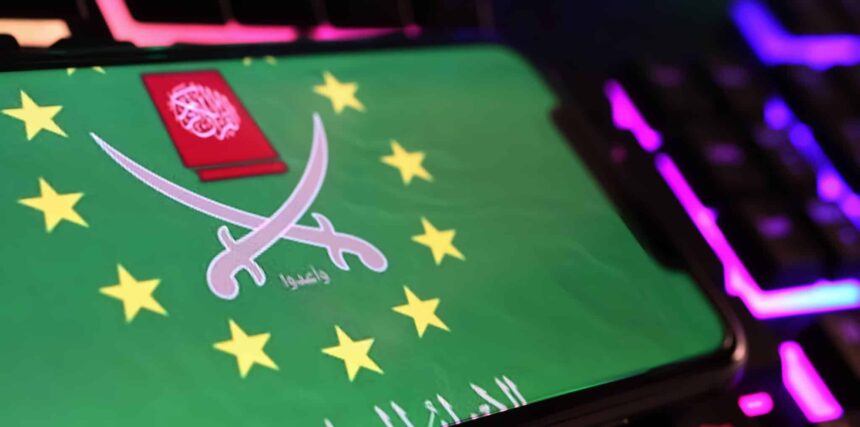
The United States has shifted its focus from ideological discourse surrounding the Egyptian Muslim Brotherhood to the financial networks that enable its operations. With recent sanctions targeting Mahmoud al-Abyari, a prominent figure within the organization, the implications extend well beyond U.S. borders, signaling a need for European governments to reconsider their stance on the Brotherhood.
Tracing Financial Ties Across Continents
On July 23, 2026, the U.S. Treasury Department sanctioned Mahmoud al-Abyari, a senior leader of the Egyptian Muslim Brotherhood living in London. His designation was tied to raising funds for organizations that have direct links to Hamas, a group designated as a terrorist entity by Washington. This action underscores a larger trend: the intersection of transnational financial activities supporting terrorism across global networks.
The sanctions also named entities such as Tujah Bulah Global in Indonesia and El-Kahira for General Trading in Türkiye, highlighting a complex web connecting various regions, including Europe. These organizations have reportedly facilitated financial transfers to Hamas, demonstrating that operations previously viewed in isolation are part of a larger interconnected system that transcends borders and involves diverse actors.
Shifting the Debate from Ideology to Financial Accountability
For decades, the Muslim Brotherhood has defended itself against accusations by deflecting discussions toward ideological interpretations, casting criticism as an attack on faith. However, as financial evidence mounts—including wire transfers, shareholder registries, and cryptocurrency transactions—the debate has started to shift. The U.S. administration has explicitly stated that the case against the Brotherhood is now based on tangible financial accountability rather than mere ideological affirmations.
This pivot removes the protective shield of plausible deniability that has historically benefited organizations like the Brotherhood. By declaring its senior officials as designated terrorists, U.S. actions place European governments in a precarious situation. They must grapple with the reality that their associations with such organizations could expose them to international legal and financial repercussions.
Why It Matters
The current trajectory of U.S. sanctions and investigations into the financial operations of the Muslim Brotherhood has significant implications, especially for European countries. By establishing connections between organized crime networks and terrorist financing, there’s pressure on European governments to reassess their policies regarding charities, mosques, and community organizations linked to the Brotherhood. The urgency lies in the need for transparent financial practices and stringent regulatory frameworks that restrict the flow of funds to extremist actors.
Frequently Asked Questions
What are the recent sanctions against the Muslim Brotherhood about?
U.S. sanctions primarily target financial leaders and entities associated with the Muslim Brotherhood for their role in facilitating funds for Hamas, highlighting a broader counterterrorism approach that focuses on financial transactions.
How does financial evidence alter the discourse around the Brotherhood?
The introduction of financial evidence shifts the debate from ideological interpretations to accountability based on actual financial transactions, making it harder for the Brotherhood to deflect accusations of terrorism.
What implications do the sanctions have for European governments?
European governments may face increased scrutiny and potential legal challenges regarding their financial dealings with organizations linked to the Brotherhood, as U.S. actions expose them to secondary sanctions and reputational risks.
Why is it important to address these financial connections?
Addressing the financial connections is crucial for securing national and regional security. Disrupting funding channels for extremist activities helps mitigate risks associated with terrorism and organized crime.