
Recent discussions surrounding Gujarat Chief Minister Narendra Modi’s past statements and achievements have brought to light a significant gap in expected versus actual outcomes in the realm of sports development in the state. Despite promises made in 2009 to collaborate with China for sports development, Gujarat’s performance in national competitions remains underwhelming.
Promises of Sports Development
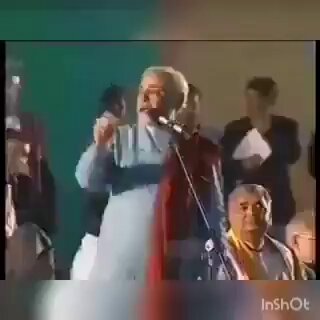
In 2009, Narendra Modi, while serving as the Chief Minister of Gujarat, expressed ambitions to develop sports in the state by collaborating with China, a nation well-known for its sports infrastructure and achievements. This statement came at a time when India was witnessing a burgeoning interest in sports, spurred on by events such as the 2008 Beijing Olympics. Modi’s declaration was seen as part of a broader vision to elevate Gujarat as a hub for sports excellence, aiming to foster talent and improve infrastructure over the years.
A Decade of Underperformance
Fast forward to 2026, Gujarat’s performance in the Commonwealth Games has been starkly disappointing, yielding zero medals from both the Commonwealth Games (CWG) and Olympics despite the highest allocation of budget under the Khelo India Scheme. The Khelo India initiative, launched in 2018, aimed to enhance sports infrastructure and nurture young athletes in India, with Gujarat receiving a significant share of the funding. However, the absence of medals raises questions about the effectiveness and execution of these programs, as rival states like Haryana have garnered numerous medals—11 in the latest Commonwealth Games—illustrating a deep-seated disparity in sports outcomes across India.
Future Challenges and Hosting Rights
The announcement of Gujarat as the host for the Commonwealth Games in 2030 has reignited debates and skepticism regarding its capabilities to deliver successful sporting events. Critics have pointed out that the state’s current track record poses significant challenges ahead. The potential for Gujarat to host such an internationally recognized event raises questions about its preparedness—both in terms of infrastructure and athlete performance. As the state strives to enhance its sports landscape leading up to the event, it will need to address the roots of its historical underperformance in competitive sports.
Why This Matters
This scenario holds substantial political significance as it speaks volumes about governance, resource allocation, and accountability. Modi’s track record and the current state of sports in Gujarat can influence public perception and electoral outcomes as the nation heads toward general elections. The glaring absence of medals despite significant funding could prompt questions about the efficacy of the state’s administration and its commitment to nurturing talent. As other states demonstrate measurable successes, Gujarat’s struggle may become a focal point for political discourse, with implications for Modi’s national image and future political prospects.
Frequently Asked Questions
What was Modi’s promise regarding sports in Gujarat?
In 2009, Chief Minister Narendra Modi promised to collaborate with China to develop sports in Gujarat, aiming to transform the state into a beacon of sports excellence.
How has Gujarat performed in the Commonwealth Games and Olympics since then?
As of 2026, Gujarat has won no medals in both the Commonwealth Games and the Olympics, despite significant budget allocations aimed at improving sports infrastructure and talent development.
What is the Khelo India initiative?
Khelo India is a government program launched in 2018 that aims to promote sports at the grassroots level, enhance infrastructure, and nurture young athletes across India, with substantial funding allocated to states—including Gujarat.
What are the implications of Gujarat hosting the Commonwealth Games in 2030?
The decision to host the Commonwealth Games in Gujarat raises questions about the state’s ability to successfully manage and execute the event given its current performance and history in competitive sports.