
New York City has introduced a new Unified Court System aimed at expediting emergency housing cases to protect tenant welfare. Mayor Zohran Mamdani emphasized that this initiative addresses egregious landlord negligence, seeking to ensure faster resolutions for families facing unsafe living conditions.
Overview of the Unified Court System
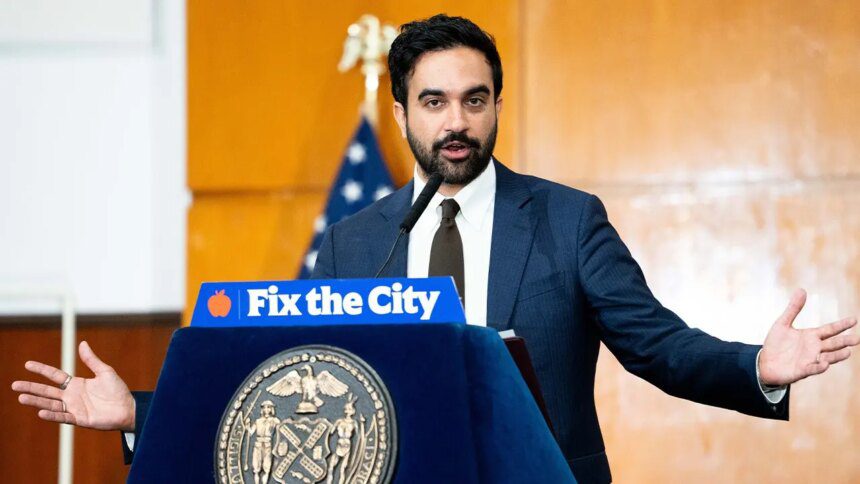
Mayor Zohran Mamdani announced the launch of the Unified Court System on Tuesday, which is focused on fast-tracking emergency cases in the Housing Court of New York City. During a news conference, he highlighted that the system aims to prioritize situations where the health and safety of residents are at risk. “This fast track will accelerate the cases that are both the most egregious and the most complex,” he stated.
The new system will help significantly reduce the time tenants must wait for emergency hearings. Cases that involve landlords with open vacate orders or hazardous living conditions will be expedited. Specifically, cases with serious violations affecting at least one-third of the units in a building will be prioritized, allowing families to seek immediate relief from dangerous living conditions.
Implementation and Impact
With an emphasis on “persistent and extreme negligence,” the new regulations mandate that judges require both landlords and tenants to return to court within five days after serving notice. This is intended to ensure that landlords who fail to meet legal obligations are promptly held accountable.
In addressing concerns about how to differentiate between negligent and genuinely struggling landlords, Mamdani reaffirmed a strict adherence to legal standards, insisting that those unable to maintain compliance should not manage rental properties. “If a landlord is not able to follow the law, then they should not be a landlord of that property,” he remarked, echoing a firm stance on housing regulations.
Reactions and Future Challenges
The initiative has received various reactions from community members and housing advocates. Some are optimistic that the expedited system will lead to safer living conditions for tenants. However, questions remain about the enforcement of these new rules and how the court system will manage potential violations if landlords fail to appear in court within the outlined timeframe.
Mamdani acknowledged that while much is being done, there is still significant work to be accomplished in ensuring compliance from landlords. The success of this initiative will likely depend on effective implementation and community engagement to hold landlords accountable.
Why This Is Trending
The introduction of the Unified Court System is particularly relevant to Indian audiences following reports of housing crises and tenant exploitation in major urban centers in India, like Mumbai and Delhi. As cities across the globe grapple with affordable housing challenges and landlord-tenant tensions, this New York initiative has sparked discussions about the need for robust tenant protection laws in India. Given the shared struggles faced by urban residents globally, including issues of safety, rights, and housing quality, there is an increased interest from the Indian public in such initiatives abroad.
Frequently Asked Questions
What is the Unified Court System in New York City?
The Unified Court System is a new mechanism introduced to expedite emergency housing cases in the New York City Housing Court, aimed at protecting tenant health and safety.
How will this impact tenants facing dangerous housing conditions?
Tenants can expect quicker resolutions to their cases, especially in situations involving severe negligence or hazardous conditions from landlords, which will now be prioritized in court.
What happens if a landlord does not follow the court orders?
There are still discussions on enforcement, but the system aims to ensure that landlords who fail to appear in court or address violations will face legal consequences.
Why is this initiative relevant to audiences outside the USA?
The issues surrounding tenant rights and housing regulations are global concerns, especially in rapidly urbanizing regions like India, where similar challenges occur. The initiative sparks interest in potential legislative changes that could be adapted in other countries.