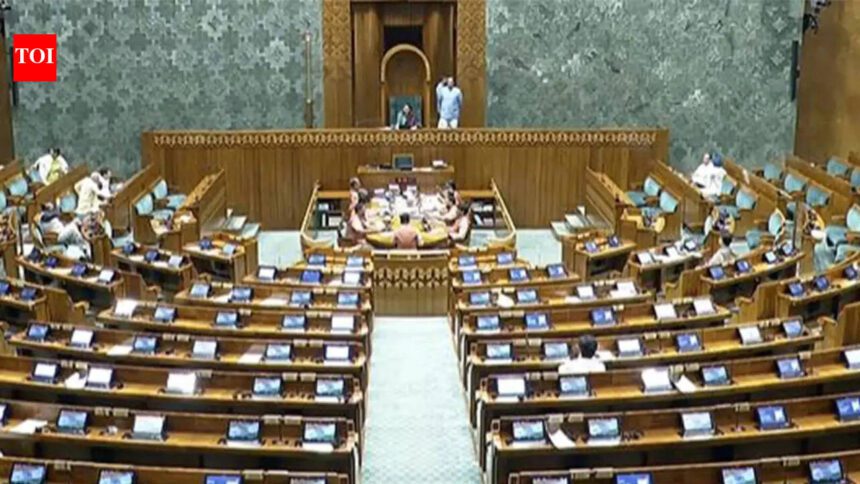

As discussions surrounding the size and composition of the Lok Sabha intensify, the United States presents an interesting counterpoint. The U.S. House of Representatives has been limited to 435 seats since 1929. Following each decennial census, these seats are redistributed among the states based on population changes, with every state assured a minimum of one seat. This redistribution has significantly altered representation over time; states such as California, Florida, and Texas have increased their share, while New York, Pennsylvania, and Illinois have seen declines.
However, a key feature of the American system is the Senate, where each state, regardless of size, is allocated two Senators. This setup was the result of a constitutional compromise in 1787 aimed at balancing the interests of larger and smaller states. Following the ratification of the Seventeenth Amendment, Senators are now elected directly by the electorate.
In contrast, India’s parliamentary structure relies heavily on population metrics for the Lok Sabha, while the Rajya Sabha is only partially federal, often favoring larger states. Consequently, any future delimitation could raise significant concerns regarding voter equality and the overall federal equilibrium among states.
Additionally, a pertinent political consideration arises: if the primary focus is to enhance women’s representation, is it necessary to increase Lok Sabha seats by 50%? Could a 33% reservation for women be integrated within the current seat limit, or might major political parties commit to allocating half of their candidacies to female candidates?