
Summary
The recent remarks made by Sunni scholar Kanthapuram AP Aboobacker Musliar have sparked significant controversy, especially in the context of gender roles within the Muslim community. Leaders from the Communist Party of India (Marxist), including former minister KT Jaleel and veteran leader TK Hamza, have defended Kanthapuram, while others, including CPI(M) general secretary MA Baby, have criticized these views as regressive and contrary to constitutional values.
Context of the Controversy
The controversy arose after a circular issued by the Samastha Kerala Jamiyyathul Ulama, led by Kanthapuram, stated that young women should not be present among unrelated men at public forums. This was perceived as a restriction on women’s public conduct, eliciting criticism from various political leaders, including Kerala Chief Minister VD Satheesan. Baby likened Kanthapuram’s stance to that of the Rashtriya Swayamsevak Sangh (RSS), underscoring the tension between religious perspectives and gender equality enshrined in the Indian Constitution.
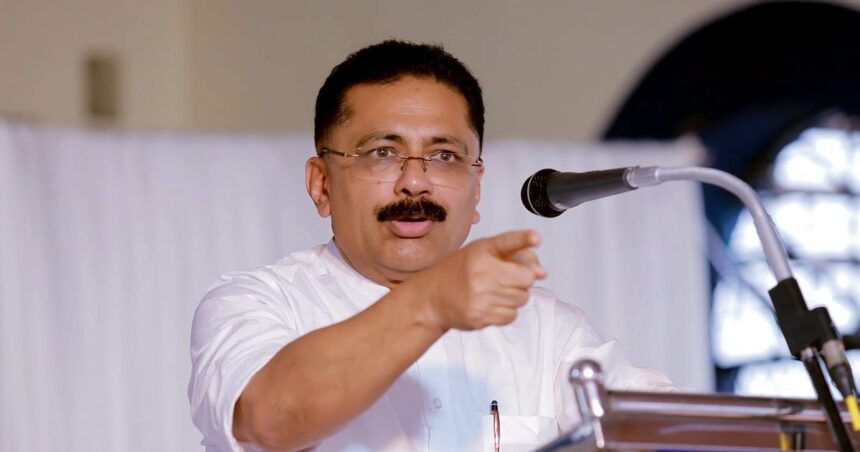
Jaleel, however, argued that such remarks should be contextualized within specific community concerns, claiming they stemmed from apprehensions within the Muslim community regarding women’s associations with the Indian Union Muslim League (IUML). He posited that religious leaders have the freedom to express their views, regardless of societal dissent, and that the comments were meant as moral guidance rather than mandates.
Political Reactions and Implications
The political responses illustrate the complicated relationships within Kerala’s political landscape. Jaleel emphasized that prominent IUML leaders had refrained from addressing Kanthapuram’s comments, indicating an awareness of the delicate balance between progressive views and community sentiments. He cited the differing opinions that emerged from the Supreme Court’s 2018 verdict allowing women’s entry into Sabarimala Temple as an example of how religious positions often clash with constitutional rights.
TK Hamza also entered the fray by defending Kanthapuram, suggesting that the Chief Minister’s rejection of the remarks was politically motivated, aimed at appeasing the BJP. Hamza highlighted the sentiment that women should be “controlled,” framing Kanthapuram’s comments as a benign admonition against reckless behavior rather than an outright endorsement of oppression. This reflects a broader discourse where ideological divisions are often drawn along religious lines, reinforcing existing tensions within the political fabric of Kerala.
Broader Societal Consequences
The underlying issues discussed in this controversy extend beyond the immediate political sphere and into broader conversations regarding women’s rights and societal norms in India. While some leaders defend traditional roles as a means of community preservation, others advocate for a more modern interpretation of gender equity. This discord raises questions about the space afforded for diverse perspectives within Indian society, particularly as communities grapple with evolving cultural norms in a rapidly changing world.
The IUML’s recent historical achievement—electing its first woman MLA—suggests that while progress is being made, there are still significant hurdles to overcome. The balance between respecting tradition and promoting progressive values continues to shape the political landscape, as evidenced by the mixed reactions to Kanthapuram’s remarks.
Why It Matters
This controversy reflects a critical juncture for India’s political and social landscape, particularly regarding gender equity and religious freedom. As the nation grapples with its secular identity and religious plurality, these discussions around women’s roles in both public and private spheres become increasingly relevant. The divergence of opinions among political leaders regarding Kanthapuram’s remarks highlights the growing polarization on gender issues, which may have lasting impacts on policymaking and the legal landscape concerning women’s rights in the country.
Frequently Asked Questions
What did Kanthapuram AP Aboobacker Musliar say regarding women’s conduct?
Kanthapuram stated that it is not permissible for young women to be present among unrelated men at public forums, sparking criticism over perceptions of gender roles in the Muslim community.
Who are the leaders defending Kanthapuram’s remarks?
Leaders like KT Jaleel and TK Hamza from the Communist Party of India (Marxist) have defended Kanthapuram, arguing that his comments are meant for moral guidance rather than mandates.
What are the criticisms against Kanthapuram’s statements?
CPI(M) general secretary MA Baby described his remarks as regressive and akin to the RSS’s stance on women, asserting that they are against constitutional guarantees of gender equality.
How has the Indian Union Muslim League responded to this controversy?
Prominent leaders from the IUML, like Panakkad Sadiq Ali Thangal, have chosen to stay away from commenting on the controversy, indicating a delicate balance between community sentiments and women’s representation in politics.