
Indian political commentator Mohammed Zubair has raised concerns about the media narrative during political debates, highlighting a trend where audiences appear particularly aligned against opposition figures. His commentary, alongside other observers, suggests this reflects a broader complicity among certain media outlets in shaping political discourse.
Context of Media Bias in Political Discourse
In recent years, the intertwining of media and politics in India has attracted substantial scrutiny. Political commentators like Zubair argue that the media landscape is heavily influenced by partisan agendas. This situation is exacerbated by certain news channels routinely inviting guests who echo ruling party sentiments, while dissenting voices are often marginalized. Zubair’s critique especially targets journalists and hosts who seem to favor confrontational styles that pit there guests against each other rather than facilitating genuine conversations.
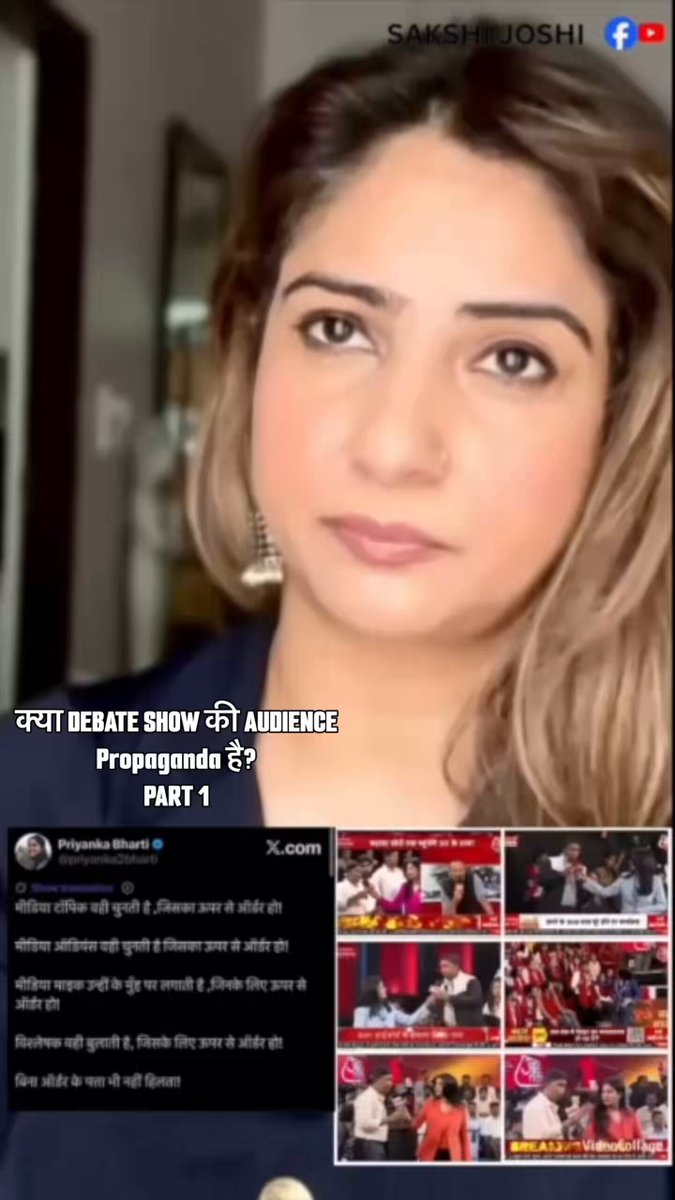
Zubair pointed out instances where specific individuals, such as Anjana Om Kashyap and ABVP member Shreyansh, have been part of orchestrated debates aimed at undermining opposition parties. He denounced this trend as not just a failure of journalistic integrity, but as symptomatic of a broader issue within Indian media that prioritizes viewership numbers over substantive discussion.
The Role of Social Media in Political Narratives
In the age of digital activism, social media has emerged as a powerful platform for both politicians and commentators. Accounts like Zubair’s have gained traction for their critical stance toward mainstream media practices. They challenge the narratives created by traditional outlets, offering alternative perspectives that resonate with the electorate, particularly among younger demographics.
Videos shared by Zubair illustrate moments in which media coverage has seemed choreographed to favor particular narratives. Such moments not only highlight media bias but also fuel public dissatisfaction with the political process itself, prompting calls for reform in how political issues are covered.
Impact of Audience Complicity
One of the more troubling aspects of this media landscape is the supposed complicity of the audience. As highlighted in Zubair’s observations, it appears that segments of the audience are adept at echoing the combative tones set by debate hosts. This creates a feedback loop where viewers not only accept but actively participate in the vilification of opposition, effectively stymieing constructive political dialogue.
This audience behavior raises questions about the democratic process in India. If the electorate is being conditioned to view political debates in such a polarized light, it may contribute to a fracturing of democratic principles, reducing complex issues to simplistic confrontations.
Why This Matters
The implications of Zubair’s critique extend far beyond media bias; they touch the core of democratic practices in India. As political coaching continues to engineer how debates unfold, it risks detaching the narrative from facts and reality. A populace well-versed in partisan rhetoric may struggle to engage thoughtfully with political issues, leading to misinformed voting decisions and a weakened electoral process. If media outlets do not prioritize accountability and ethical reporting, the consequences could ripple through India’s democracy for generations to come.
Frequently Asked Questions
What is the main criticism raised by Mohammed Zubair?
Zubair criticizes certain media outlets for their role in shaping political narratives that often favor ruling parties, particularly in how they conduct political debates.
How does audience behavior influence political discussions in India?
Zubair suggests that viewers themselves contribute to the polarization of debates by accepting confrontational narratives, which stifles constructive dialogue and leads to a more divided understanding of politics.
What role does social media play in current political discourse?
Social media acts as a platform for alternative narratives and critiques of mainstream media, allowing voices like Zubair’s to challenge established narratives and engage younger audiences.
Why is media integrity essential for democracy?
Media integrity is crucial because it ensures informed and balanced reporting, which is foundational to a functioning democracy. Lack of integrity can mislead voters and diminish public trust.