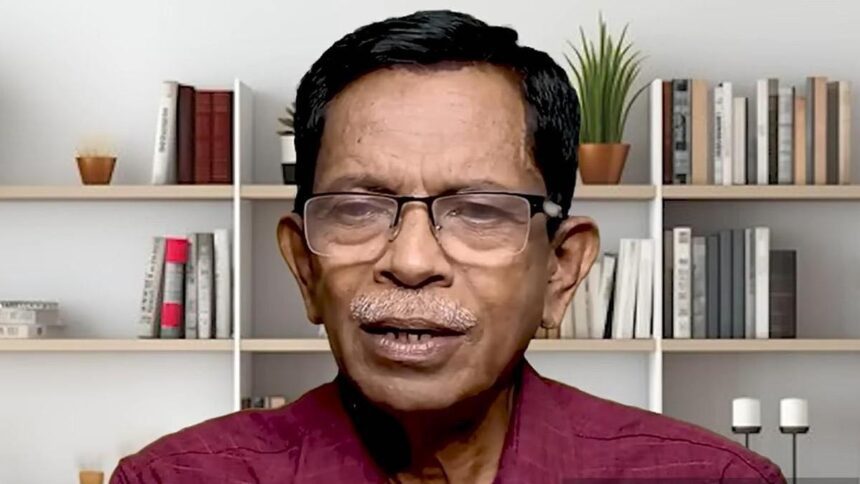

A Thiruvananthapuram court recently granted bail to TG Mohandas, a right-wing political commentator, sparking debates over free speech and the implications of incendiary remarks made against women protesters. Mohandas’ comments reflect a troubling narrative that links dissent with violent sexual acts, raising concerns about discrimination and marginalization of specific communities, particularly in the context of India’s socio-political landscape.
Background of the Case
On August 10, a Thiruvananthapuram court ruled in favor of Mohandas’ release on bail after he was arrested for comments made in a YouTube video regarding women student protesters in New Delhi. The protesters had been demanding accountability concerning the NEET paper leak. Mohandas, 71, was taken into custody from his home in Kochi and faced multiple charges under the Bharatiya Nyaya Sanhita, the Information Technology Act, and the Kerala Police Act, along with allegations of criminal intimidation and disrespect towards women’s dignity.
The controversy stems from statements made in a video on his ‘Pathrika’ YouTube channel. Mohandas implied that the protests could incite gang rapes, asserting that “those attending the protest like rape, and there are girls who enjoy being raped.” Such sentiments not only deepen already existing societal divides but also perpetuate harmful stereotypes and stigmas that can lead to further discrimination and violence.
Legal Proceedings and Court Decisions
Mohandas was presented before Additional Chief Judicial First Class Magistrate Mithun Gopi GS, where prosecutors argued that his influence could lead to witness tampering and the destruction of evidence. Despite these claims, defense counsel pointed to his age and health issues as factors justifying his release, alongside the bailable nature of the offenses. Eventually, the court permitted bail under strict conditions, including regular appearances before the investigating officer and a commitment to refrain from making similar statements.
The police also seized digital devices related to the video, illustrating the serious nature of the allegations and the stance taken by law enforcement on such incendiary public discourse. The response from youth activist groups, such as the SFI, underscores the powerful dissent against perceived injustices and societal discrimination that have become increasingly prevalent under current political regimes.
Political Reactions and Wider Implications
The BJP, while meeting Mohandas, stated they did not approve of his comments but criticized the Kerala government for what they termed selective enforcement. Their claims that Mohandas’ arrest was a tactic to divert attention from other pressing issues, such as recent floods, reflect a broader political narrative that has emerged in India concerning the treatment of dissent, especially from marginalized communities.
CPI(M) leader EP Jayarajan voiced concern regarding the defense offered by BJP and Sangh Parivar, questioning the delay in Mohandas’ arrest. This incident serves as a microcosm of the larger struggle faced by communities in India, particularly Muslims and other marginalized groups, who experience discrimination, social exclusion, and economic boycotts as a direct result of political rhetoric surrounding issues of national identity and unity.
Why It Matters
The situation surrounding TG Mohandas is emblematic of the rising tensions in Indian society, where freedom of expression is increasingly at odds with political narratives promoting majoritarian ideologies. Such incidents also reflect the societal acceptance of misogyny and discrimination against certain groups, resonating through media platforms where harmful ideologies can gain traction. Understanding these dynamics is crucial for policymakers and civil society stakeholders working towards fostering an inclusive environment in India.
Frequently Asked Questions
What led to TG Mohandas’s arrest?
TG Mohandas was arrested due to his incendiary remarks in a YouTube video regarding women student protesters in New Delhi, which were deemed to promote violence and disrespect towards women.
What are the legal charges against Mohandas?
He faces charges under the Bharatiya Nyaya Sanhita, the Information Technology Act, and Kerala Police Act, including additional charges related to the violation of a woman’s modesty and criminal intimidation.
What was the court’s ruling on Mohandas’s bail?
On August 10, the court granted bail to Mohandas with conditions, including appearances before the investigating officer and avoidance of similar offenses while on bail.
How have political leaders responded to Mohandas’s comments?
While BJP leaders distanced themselves from Mohandas’s remarks, they criticized the Kerala government for allegedly using the arrest to shift focus from other significant issues. In contrast, CPI(M) leaders condemned the BJP for safeguarding a figure espousing discriminatory views.