
Summary
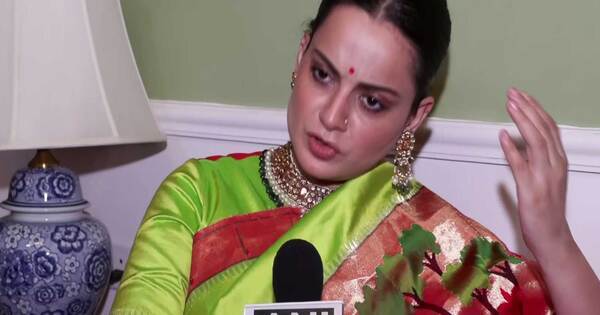
Actress Kangana Ranaut has responded to veteran actor Sharmila Tagore’s remarks regarding the national song ‘Vande Mataram’, emphasizing that it should not be construed solely through a religious viewpoint. This exchange highlights the broader discussion on the interpretation of national identity and religious sentiments in contemporary India, particularly under the governance of the BJP and related organizations such as the Sangh Parivar.
The Context of ‘Vande Mataram’
‘Vande Mataram’, a poem written by Bankim Chandra Chatterjee, has historically been a rallying cry in India’s struggle for independence. It represents not just a national anthem but a symbol of collective identity and freedom. Recently, Indian politics has witnessed a contentious dialogue surrounding its interpretation, particularly among Muslim communities who may feel excluded by the song’s predominantly Hindu motifs. The BJP has placed emphasis on ‘Vande Mataram’ as a measure of patriotism, often criticizing those who appear to disrespect or question its significance.
Kangana Ranaut’s Response
In a recent Instagram post, Kangana Ranaut reacted to Tagore’s views about ‘Vande Mataram’. While expressing respect for Tagore’s reservation, she critiqued the notion that the poem could be limited to a religious interpretation. Ranaut suggested that poetry uses metaphors to express broader themes, such as the strength (‘Shakti’) that is invoked in the poem. She called for a more inclusive understanding, arguing against a binary ‘Hindu-Muslim mindset’, and instead advocating for unity in recognizing each other’s cultural and religious backgrounds.
Political Ramifications and Broader Implications
The debate around ‘Vande Mataram’, intensified by recent political incidents, reflects deeper issues of discrimination and social exclusion faced by Indian Muslims under the current BJP government. This incident led to accusations of disrespect towards the song by leaders of the Congress party, igniting further polarization. Such political theatrics can serve to marginalize certain communities, creating environments of fear and exclusion for those who do not identify strictly with the predominant Hindu narrative. As these controversies unfold, they illustrate a significant cultural fracture that is affecting India’s democratic fabric.
Why It Matters
The significance of this discussion extends beyond mere national pride; it touches on themes of identity, belonging, and cultural interpretation in a diverse society. In a global context, the rising nationalism in several countries, including India, showcases the ongoing struggles faced by minorities. As nations grapple with defining what it means to be patriotic in a multicultural society, such dialogues could set precedents for how inclusivity, or the lack thereof, shapes future policies and social interactions.
Frequently Asked Questions
What is ‘Vande Mataram’ and why is it significant?
‘Vande Mataram’ is a poem written in the late 19th century that became a key anthem in India’s independence movement, symbolizing national identity and unity. Its significance lies in its historical use as a motivational call for freedom and patriotism.
How has the BJP used ‘Vande Mataram’ in its political rhetoric?
The BJP has promoted ‘Vande Mataram’ as a litmus test for patriotism, often accusing political opponents of disrespecting the national sentiment when they question or diverge from its religious connotations.
What were Sharmila Tagore’s comments that sparked controversy?
Sharmila Tagore expressed her reservations about ‘Vande Mataram’, stating that it should not be viewed only through a religious lens, which was perceived as a challenge to the BJP’s narrative around the song.
How does Kangana Ranaut’s response reflect broader societal issues?
Ranaut’s response highlights the ongoing debates about identity and inclusion in India, particularly concerning religion and nationalism. Her call for a more metaphorical understanding of poetry indicates a push against binary interpretations that can marginalize certain communities.