Demand for Political Representation in Karnataka
Recent statements from Muslim religious leaders and community activists in Karnataka indicate a growing dissatisfaction with the Congress party’s treatment of the Muslim electorate. Calls for the inclusion of a deserving Muslim leader in the State Cabinet reflect a deeper issue of political marginalization within the region.
Allegations of Electoral Exploitation
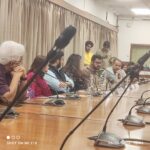
During a press conference on August 6, 2026, Maulana Shareef Mazaheri, the district president of Jamiat-e-Ulema Hind, voiced concerns that the Congress party has consistently utilized the Muslim community as a tactical vote bank. Mazaheri highlighted that despite the community’s historical loyalty, exemplified by their support for the late Minister Qamar-ul-Islam, their needs and representation have been largely overlooked.
Maulana Mazaheri urged prominent Congress figures, including AICC president Mallikarjun Kharge and Chief Minister D.K. Shivakumar, to address this longstanding inequity. He emphasized that the call for inclusion is not just about favoring one individual, but about ensuring fair representation for Muslims in Karnataka governance.
Community Resentment and Calls for Equity
Afzal Mahmood, secretary of the Joint Action Committee in Kalaburagi, pointed out that though the Congress party has garnered support from Muslim voters during elections, this support has not translated into meaningful positions in the Cabinet. This ongoing neglect reinforces a cycle of disenfranchisement and disillusionment among the community.
Abdul Khadeer articulated the frustration of community members over what they perceive as a systematic disregard for their political aspirations. The group conveyed that their demand is for inclusive governance, which would enable equitable political representation and address the unique challenges faced by the Muslim community.
Unity Among Community Leaders
Attendees at the press conference, including Arif Maniyar, Usman Sab, Feroz Khan Wadi, and Rauf Tambadkar, underscored the importance of unity among various Muslim factions in the region. Their collective voice seeks not just political representation but also socio-economic acknowledgment and empowerment.
The emphasis is clear: the community’s plea is grounded in the necessity for equitable access to political power, particularly when they comprise a significant voter base that essentializes electoral successes. Their insistence on fairness and representation is a call to action for the Congress party to rectify past oversights.
Why It Matters
This situation in Karnataka reflects a broader trend affecting minority communities in democratic contexts, particularly regarding representation and political equity. The Muslim community’s demand for inclusion in governance raises critical questions about minority rights and political power dynamics. These concerns can impact the socio-political landscape significantly, contributing to increased polarization if not addressed.
Failure to incorporate voices from marginalized groups into governance structures may lead to social unrest and diminish trust in democratic institutions. Thus, understanding and addressing these grievances is essential not just for Karnataka but also for promoting broader democratic principles across India.
Frequently Asked Questions
What prompted the demand for a Muslim leader in the Karnataka Cabinet?
The demand arises from complaints that the Congress party has historically marginalized the Muslim community in political representation, despite their crucial electoral support.
Who are the key leaders involved in these demands?
Key figures include Maulana Shareef Mazaheri, Abdul Khadeer, and Afzal Mahmood, along with other community leaders who have united to advocate for equitable representation.
What is the historical context for this issue?
Over the years, the Muslim community has consistently supported the Congress party in elections. However, their contributions have not led to adequate representation or power-sharing in the state government.
What will be the potential impact of these demands?
If addressed, these demands could lead to improved political equity for the Muslim community and enhance the overall democratic fabric by ensuring that diverse voices are represented in governance.