
Summary
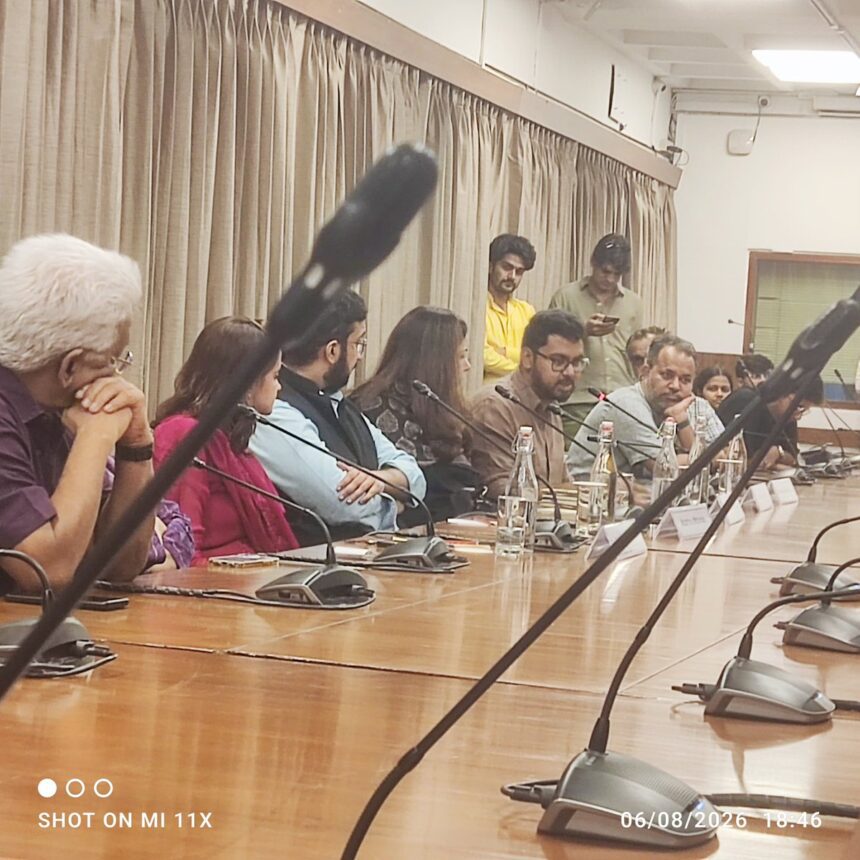
The dialogue surrounding the media coverage of the #GenZ protests led by the Citizens for Justice and Peace (CJP) reveals a significant shift in how protests are perceived and reported in India. As traditional media faces credibility issues, protesters have taken on the roles of content creators and citizen journalists, challenging the narratives presented by mainstream media.
The Erosion of Trust in Traditional Media
A critical point raised in the discussions is the erosion of credibility that legacy media has faced over the years. Many observers noted that various forms of propaganda from mainstream outlets have failed to resonate with younger audiences. The current generation of protesters, primarily from Gen Z, has developed a sophisticated understanding of media, which enables them to challenge established narratives. They not only participate in protests but also document their experiences, effectively emerging as citizen journalists who can share real-time insights through social media platforms.
This trend indicates a crucial change in the media landscape where the direct voices of protesters and their grievances can bypass traditional media filters. The sentiment among many activists is that mainstream organizations are out of touch with the realities on the ground, especially as their portrayal of events often does not reflect the protesters’ sentiments.
Audience Demographics and Media Relevance
While mainstream media still holds relevance, mainly through its dialogues with established organizations like the CJP, questions arise about who is truly being represented. The protests are said to encompass a diverse demographic, including unemployed youth from Uttar Pradesh and Bihar, yet the media coverage often skews towards narratives that resonate with middle-class audiences. This disparity was starkly noted during the #IAC protests, which were heavily covered due to their appeal to a demographic that aligns more closely with traditional media’s audience base.
The conventional media’s inclination to cater to its primary audience—often more aligned with the socio-economic elite—leads to underrepresentation of the voices from less privileged backgrounds. Critics argue that this selective exposure downplays the intensity of the protests, particularly when compared to the extensive coverage given to the Anna Hazare movement, which garnered substantial media attention.
The Government’s Response and Misunderstanding of Protest Dynamics
As the dialogue progresses, it becomes clear that there is a disconnect between the government and the underlying motivations of the protesters. The comments suggest that the establishment has struggled to comprehend the full scope and implications of these protests. Describing their actions as attempts to “infantilise” the protesters or label them as anti-national reflects a broader strategy by pro-government media to delegitimize dissent.
In the wake of the protests and subsequent government negotiations with the CJP, there seems to be an acknowledgment from the authorities of the need to engage with the voices of the younger generation. The idea that negotiations were conducted in “good faith” suggests that the government recognizes these young individuals as part of its own constituency, despite attempts to marginalize them in media narratives.
Why This Matters
The ongoing dialogue about media coverage and protest narratives is significant for the Indian political landscape. It reveals the increasing disconnection between government and youth sentiment, which, if left unchecked, could lead to further disenfranchisement of younger populations. The ability of Gen Z to mobilize effectively and communicate their positions through social media poses a challenge to traditional power structures. Observing how these dialogues evolve could shape future political movements, media strategies, and governmental responses in India.
As traditional media grapples with its relevance, the emergence of citizen journalism could redefine how protests are understood within society. The shift toward decentralized media narratives challenges conventional reporting frameworks and highlights the necessity for inclusive journalism that reflects the entire spectrum of India’s diverse populace.
Frequently Asked Questions
What role are protesters playing in the current media landscape?
Protesters are increasingly becoming content creators and citizen journalists, effectively documenting their experiences and sharing them through social media platforms, challenging traditional media narratives.
How has the credibility of mainstream media changed over time?
Mainstream media has seen a decline in trust from the public, particularly among younger audiences, due to perceived biases in reporting and the failure to accurately reflect the sentiments of various socio-economic groups.
Why might certain protests receive more media coverage than others?
Media coverage often skews towards demographics that align with traditional media’s primary audience. Protests led by middle-class individuals typically receive more attention compared to those involving marginalized groups.
What are the implications of the government’s negotiations with protest leaders?
The government’s willingness to negotiate with protest leaders like CJP indicates an acknowledgment of their legitimacy and a recognition that they represent a significant segment of the population, reflecting the changing dynamics between the state and youth activism.