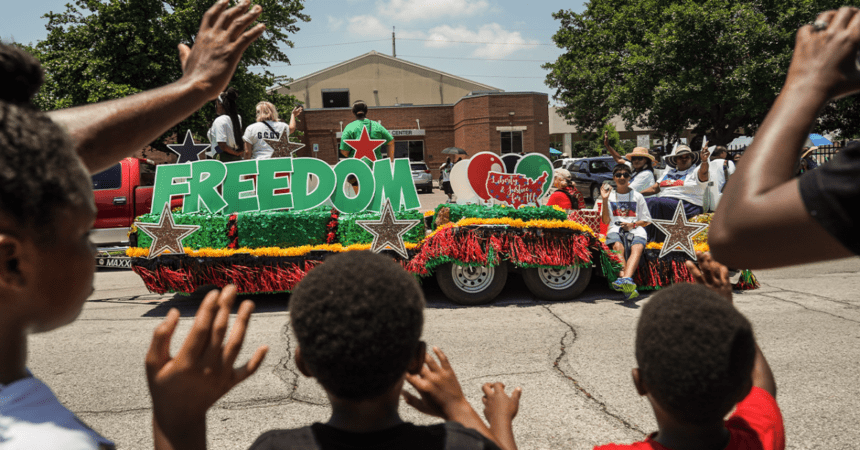

The recognition of Juneteenth as a federal holiday in the United States has generated significant discussions regarding its observance across different states. While 33 states—including the District of Columbia—will provide a paid day off for most government workers, the holiday’s status varies widely, leading to discrepancies in how it’s commemorated across the nation.
Understanding Juneteenth: Historical Significance and Current Recognition
Juneteenth National Independence Day, celebrated every June 19, marks the end of slavery in the United States. The day commemorates when enslaved African Americans in Galveston, Texas, learned about their freedom more than two years after the Emancipation Proclamation was signed. This year, 33 states and D.C. will recognize Juneteenth with a paid day off for state government employees, demonstrating a growing acknowledgment of its importance in American history.
Although Juneteenth was declared a federal holiday in 2021, only 30 states have recognized it as a permanent legal holiday as of June 2026. States have adopted varying methods to commemorate the day, leading to inconsistencies regarding paid holidays. For instance, California recognizes Juneteenth legally, but unlike many others, it doesn’t guarantee a paid day off for government workers.
State-by-State Breakdown of Juneteenth Commemoration
Among the states observing Juneteenth as a paid holiday, Alabama was the most recent to join this list, officially recognizing it as a permanent holiday in 2025. Alaska and Vermont followed suit in 2024, marking a trend toward formal recognition in recent years. However, states such as Arizona, Arkansas, and California do not offer a paid day off, indicating a disparity in observance methods.
Additionally, three states—New Mexico, Kansas, and Kentucky—do not have Juneteenth as a permanent legal holiday but still provide a paid day off for their state workers. These variations highlight the ongoing discussions around the significance and recognition of Juneteenth in different areas of the country.
Wider Implications and Cultural Awareness
The recent heightened awareness surrounding Juneteenth correlates with broader discussions on race relations and social justice, particularly following the protests and movements ignited in 2020. This societal acknowledgment has further driven many states to formalize the holiday and educate the public on its significance.
Juneteenth’s designation as an official holiday has fostered increased cultural awareness surrounding African American history and heritage in the U.S. The importance of understanding and commemorating this day extends beyond mere observance; it serves as a reminder of the ongoing pursuit of equality and acknowledgment of historical injustices.
Why This Is Trending
As discussions about race, identity, and cultural heritage gain momentum globally, the observance of Juneteenth is attracting increased interest in India. With India’s diverse societal fabric and growing advocacy for social justice issues, Indians are looking to understand how different nations commemorate significant historical events. The push for inclusive education and recognition of marginalized histories parallels India’s quest for acknowledging its own diverse cultural heritage.
Frequently Asked Questions
What exactly is Juneteenth?
Juneteenth is the commemoration of June 19, 1865, when enslaved Black Americans in Texas learned of their freedom, marking the end of slavery in the U.S.
How many states officially recognize Juneteenth?
As of June 2026, all 50 states officially recognize Juneteenth, with varying designations ranging from formal holidays to observances.
Which states provide a paid day off for Juneteenth?
Currently, at least 33 states and the District of Columbia provide a paid day off for state government workers in recognition of Juneteenth.
When did Juneteenth become a federal holiday?
Juneteenth was officially designated as a federal holiday in June 2021, following increased advocacy and awareness of its historical significance.