
Summary
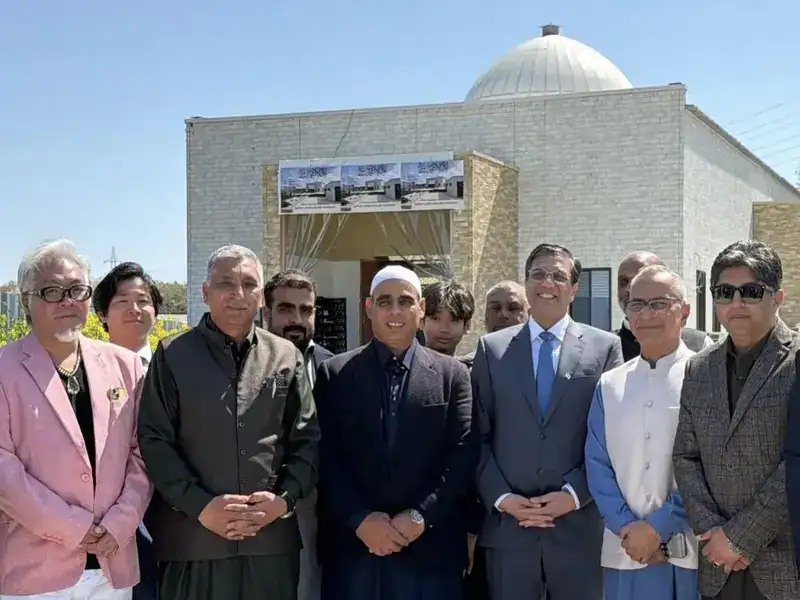
The recent inauguration of a mosque built illegally by Pakistani nationals in Kawagoe city, Japan, has sparked controversy and potential demolition orders from local authorities. Despite being inaugurated by the Pakistani Ambassador to Japan, the structure has raised concerns over adherence to local building regulations and the implications for community relations and legal compliance.
Background on the Mosque’s Construction
In April 2026, a mosque constructed by the Pakistani community in Japan was inaugurated with significant attention, including a presence from Abdul Hameed, Pakistan’s Ambassador to Japan. However, this event was soon overshadowed by revelations that the mosque was built without necessary approvals from local authorities. Such actions not only contravene Japanese law but also highlight potential oversight or disregard for civic regulations by expatriate communities.
The lack of proper permits has ignited a backlash from local residents, prompting demands for the mosque’s demolition. The Pakistani mission’s subsequent clarification of the situation reflects an urgency to address the fallout from the incident. This drama not only underscores the importance of compliance with local laws but also reflects broader issues of communal acceptance and integration within foreign nations.
Local Reaction and Authorities’ Response
Residents in Kawagoe city have expressed their discontent regarding the illegal construction, catalyzing a movement that calls for the demolition of the mosque. Community sentiment in Japan significantly leans towards preserving local norms and regulations, which are often seen as a basis for social order. In light of this incident, local authorities have begun assessing their options, thrusting the issue of illegal buildings, especially places of worship, into the spotlight.
The Pakistani mission’s involvement has made this case particularly complicated, as their presence at the inauguration raises questions about diplomatic responsibilities and the role of embassies in facilitating compliance with local laws. This situation may ultimately affect how foreign communities perceive their responsibilities towards host countries, potentially influencing future policies regarding international relations and community building.
Broader Implications for Expat Communities
This incident serves as a reminder of the complexities faced by expatriate communities navigating life in foreign countries. Pakistani nationals, like many others, are often trying to sustain their cultural identities while integrating into Japanese society. The mosque serves as a focal point for spiritual gathering; however, when constructed without proper channels, it risks alienating not just local citizens but also the very community it intends to serve.
Moreover, compliance with local laws is an essential aspect of maintaining harmonious relations. This case illustrates how social inclusion can be undermined by legal oversights, leading to widening rifts between communities. The experience of the Pakistani community in Kawagoe may resonate with other multicultural environments facing similar challenges about coexistence and legal adherence.
Why It Matters
The situation in Kawagoe presents critical insights into the intersection of community legalities and social integration in an increasingly globalized world. For developers and policymakers, it emphasizes the need for better communication and processes that facilitate community interactions without infringing on local laws. This case could inform future strategies for integrating diverse communities, especially in environments where cultural representation and legal compliance are paramount.
Frequently Asked Questions
What led to the mosque being labeled as illegal?
The mosque was constructed without obtaining the necessary approvals and permits required by Japanese authorities, rendering it illegal under local laws.
What was the role of the Pakistani Ambassador in this situation?
The Pakistani Ambassador, Abdul Hameed, attended the mosque’s inauguration, which has raised questions about the embassy’s role in ensuring compliance with local regulations.
What consequences does the mosque face following the controversy?
Local authorities have determined that the mosque may face demolition due to its illegal construction, amid growing demands from local residents.
How does this incident affect the Pakistani community’s relationships in Japan?
The incident poses risks to the Pakistani community’s relationships with local citizens, potentially damaging trust and goodwill due to perceived disregard for local laws.