
Summary
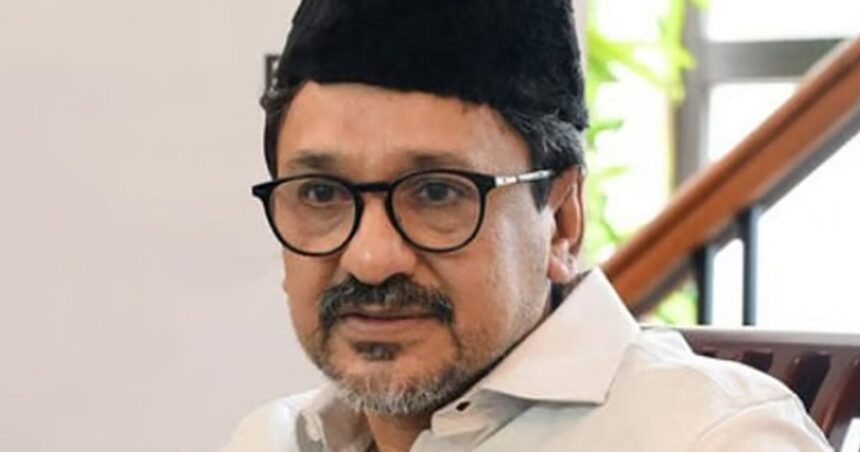
The Indian Union Muslim League (IUML) has shifted its stance towards inclusivity within the Muslim community, notably in response to controversial remarks made by Sunni cleric Kanthapuram. This strategic approach seeks to consolidate Muslim votes ahead of upcoming elections while navigating internal community dynamics, particularly in light of criticisms from rival political factions.
Shifts in Political Dynamics
The IUML has experienced a significant change in its political approach, particularly towards Kanthapuram’s remarks that have drawn criticism from various Congressional leaders. While leaders like Sunny Joseph and ministers Bindhu Krishna and Roji M John have argued that Kanthapuram’s comments about women do not align with constitutional values, the IUML has chosen to downplay these criticisms. This has sparked commentary among political observers, who suggest that this approach signals IUML’s commitment to fostering unity among diverse Muslim factions.
Political analysts assert that IUML aims to establish itself as a unifying platform for various Muslim groups, representing a diverse range of opinions. By taking a softer stance on Kanthapuram’s remarks, they seek to avoid alienating a significant portion of the Muslim community that historically aligns with both Kanthapuram and IUML. The IUML hopes to bolster its position in upcoming assembly elections by emphasizing Muslim solidarity rather than divisive rhetoric.
Community Responses and Reactions
The reaction from the Communist Party of India (Marxist) [CPM] has added another layer of complexity to this political landscape. The CPM’s adverse reactions to Kanthapuram’s remarks have reportedly alienated a segment of his supporters. IUML is keen on leveraging this potential rift to elevate its profile as the representative voice of Muslims in Kerala.
Furthermore, various Sunni groups traditionally loyal to IUML share similar perspectives regarding women’s participation in public life as expressed by Kanthapuram. IUML’s opposition to the cleric would likely suggest a stance against core Sunni ideologies, presenting a political dilemma for the party. Recent allegations that IUML has increased visibility for women leaders could stem from external pressures and the influence of more progressive factions within Muslim communities, like the Mujahids or Salafis.
Tensions Within the Muslim Community
Several Muslim political organizations that have historically aligned with the CPM are now finding themselves at odds with the party over its criticisms of Kanthapuram. This situation illustrates the fracture lines within the Muslim political landscape, where loyalty and ideological beliefs can significantly impact community politics.
The differences in opinion concerning women’s roles in public life further accentuate this divide. While some factions advocate for more traditional views, others push for progressive social reforms, creating an environment of tension that affects voting behaviors and party affiliations. The IUML appears to be strategically navigating these ideological waters in order to cultivate a broader base for electoral success.
Why It Matters
The political maneuvering of the IUML amidst criticisms of Kanthapuram reflects broader themes of social cohesion and political representation within Muslim communities in India. As parties navigate these complex issues, the significance extends beyond mere voter consolidation. It emphasizes the importance of integrating diverse voices and understanding the implications of social policies on community dynamics. The outcomes of these electoral strategies may serve as case studies for political entities in India as they address communal tensions and strive for unity amid diversity.
Frequently Asked Questions
What are Kanthapuram’s controversial remarks about women?
Kanthapuram, a prominent Sunni cleric, made comments regarding women’s roles that have been criticized by various Congress leaders for being inconsistent with constitutional values.
How has the IUML responded to these criticisms?
The IUML has chosen to frame Kanthapuram’s remarks as an opinion of a religious scholar, softening the blow and avoiding direct confrontation with the cleric’s supporters.
What is the significance of consolidating Muslim votes for the IUML?
Consolidating Muslim votes is crucial for the IUML’s success in assembly elections, particularly as they seek to present themselves as a platform representing various Muslim factions, aiming for electoral gains without creating rifts within the community.
What impact do internal divisions have on Muslim political organizations?
Internal divisions among Muslim political organizations, like those seen between IUML and factions aligned with the CPM, can lead to shifts in loyalties and influence electoral outcomes, thus changing the political landscape in Kerala.