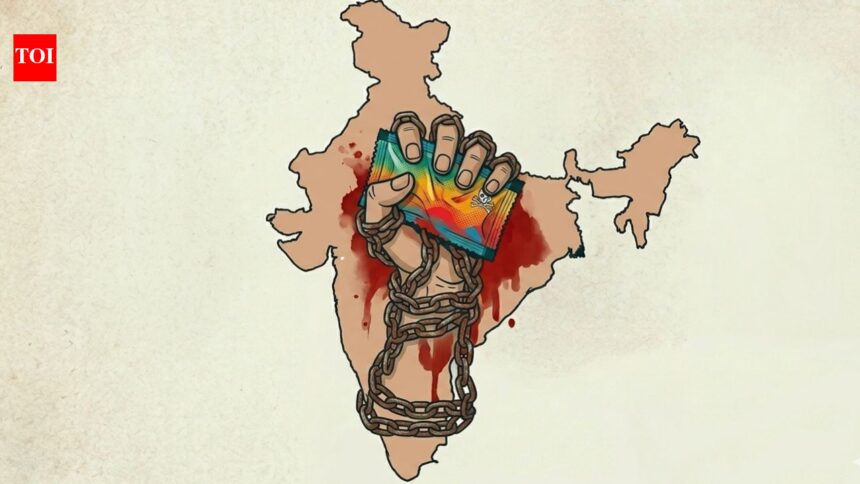

Nicotine is widely recognized as harmful, a fact emphasized through pervasive anti-tobacco advertisements in India. Film screenings often begin with warnings about tobacco’s dangers, but the subsequent two hours frequently showcase glamorous portrayals of smoking characters. This juxtaposition raises questions about the effectiveness of awareness campaigns, as the allure of smoking persists despite its known risks. High-profile celebrities often endorse tobacco, conflating it with a luxurious lifestyle. Consequently, the warnings before films stand in stark contrast to the narratives that glorify smoking.
In India, smokeless tobacco is a particularly pressing issue; approximately 200 million Indians consume such products daily. Common forms include gutkha, khaini, and zarda, available inexpensively at corner shops, often nestled beside snacks. Dr. Madhurima Nundy, an Academic Research Associate at the University of Edinburgh, points out that over 28 carcinogens are present in these products. India accounts for more than 80% of the world’s smokeless tobacco users, highlighting a distinct national crisis. While cigarettes are subject to graphic health warnings and high taxes, smokeless tobacco remains affordable and readily accessible.
The scale of the smokeless tobacco consumption reveals troubling statistics: Indians reportedly spit enough to fill 211 Olympic-sized swimming pools each year, with the Indian Railways spending ₹1,200 crore annually to clean these residues from public transport. Such public health concerns derive from a long-standing tradition of tobacco use in India, dating back to 1605 when the Portuguese introduced it as a colonial crop. Over centuries, tobacco became entrenched in cultural practices, evolving into the mass-produced gutkha, which offers a quicker, more potent nicotine fix compared to cigarettes.
Research indicates a clear sociological divide regarding the use of smoking versus smokeless tobacco in India. Cigarette consumption is predominantly seen among wealthier urban populations, with findings from the International Institute for Population Sciences suggesting that daily smokers tend to be more educated and affluent. In contrast, smokeless tobacco is often used by lower-income individuals, primarily due to its low cost and accessibility. Dr. Nundy notes that the determinants of smokeless tobacco use include factors such as gender, educational level, urban-rural distribution, and socio-economic status.
For daily wage laborers, a ₹2 packet of gutkha can sometimes offer an escape from hunger, as nicotine serves as a hunger suppressant. This cycle of reliance further deepens poverty, as families spend a significant portion of their resources on tobacco instead of necessities like education. It is estimated that 1.84 crore Indians fall into extreme poverty annually due to tobacco-related issues.
While the tobacco industry is not the sole cause of poverty in India, it profits from it. The prevalent culture of ‘jugaad’ has led to the exploitation of loopholes in legislation regarding smokeless tobacco. An auto driver near Hauz Khas stated that laws often fail due to systemic failures and parental influence, perpetuating a cycle of addiction among children.
Efforts to ban gutkha have largely proven ineffective, as manufacturers have sidestepped regulations by splitting product components. To remedy this, stricter regulations are required, ensuring that any combination sold together is treated as a single product. Moreover, enforcing existing bans on packaging and raising the minimum price of gutkha will make it less accessible to vulnerable populations. A price increase could lead to significant drops in consumption, especially among low-income households.
Current policies allow any individual to sell tobacco without licensing. Implementing licensing requirements and raising the legal purchasing age from 18 to 21, as seen in Sri Lanka, could help mitigate new addictions amongst younger demographics. Increasing taxes on smokeless tobacco products is essential; the World Health Organization recommends taxes should account for at least 75% of retail prices to discourage use.
Dr. Nundy emphasizes the urgent need for comprehensive policies, including public health campaigns targeted at high-risk populations. The child near Nehru Place metro knows the health risks but selects gutkha due to its low cost, a clear indication of the failure of current strategies. Until smokeless tobacco is made unaffordable, less available, and less appealing, the cycle of consumption will continue, exacerbating poverty for millions of Indians annually.