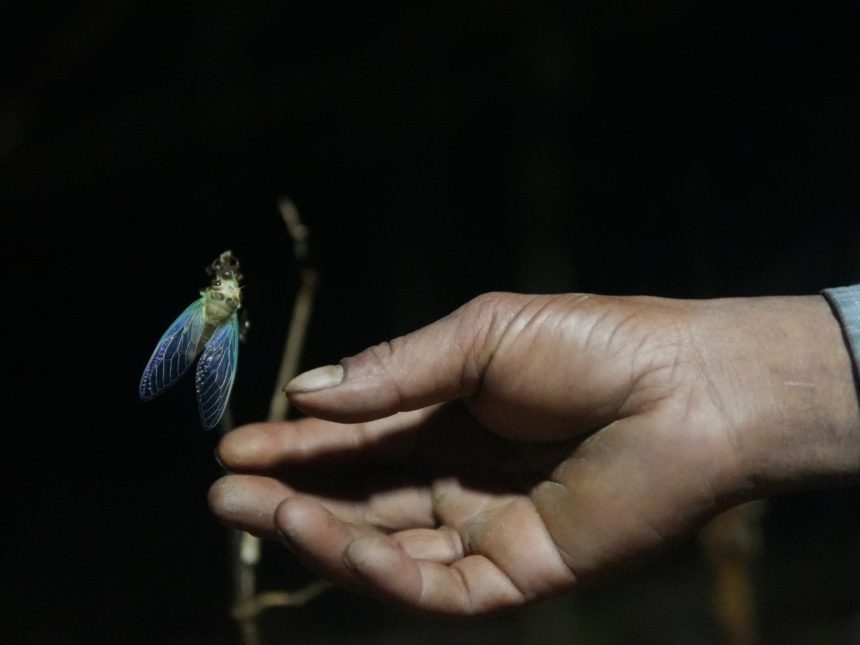

The Final Journey of the Cicadas: A Symbol of Change
As mid-June approaches, the mature cicadas, after four years of life underground, embark on what locals call the niangtaser suicide, surrendering themselves to the Umrong River. This annual phenomenon reflects not only the natural cycle of these insects but also serves as a poignant reminder of the changing environmental landscape in India, particularly in regions like the Northeast where Kewstar Majaw, a 92-year-old villager, shares his unique insights into this rare spectacle.
The Journey of the Cicadas
Each lifecycle of the cicada culminates in their mass emergence and eventual plunge into the fast-flowing Umrong River, which many in the region have witnessed and interpreted in various ways. Locals believe these insects are instinctively drawn to movement and sound, resulting in their fateful descent into the waters, creating an abundant food source for the fish below.
This cyclical event is a remarkable testament to nature’s timing. The emergence signals not only the end of an individual cicada’s life but also a long-standing natural ritual that has captivated local residents for generations. For Kewstar Majaw, watching the cicadas’ arrival has become a meaningful annual event that parallels important milestones in his life—government changes, World Cups, and environmental shifts.
A Changing Landscape
Kewstar reminisces about his childhood when cicadas filled every corner of the forest. “Back then, the niangtaser was everywhere,” he recalls, resonating with nostalgia for a past where these insects thrived. Today, however, the cicadas’ presence has dwindled; the once-bustling forest has transformed, with bamboo thinning and tree cover receding. The vibrant chorus of cicadas that once engulfed the village now requires deliberate searches to locate—they often evade casual encounters.
This decline mirrors broader environmental issues affecting the Northeast. Rapid urbanization, deforestation, and climate change have led to significant habitat loss. As the chirping of cicadas fades, it symbolizes a larger narrative about how human activity disrupts natural cycles. The cicadas’ journey serves as an eco-metric, highlighting the need for sustainable environmental practices to preserve what remains of the natural world.
The Cultural Significance
In regions like Assam and Meghalaya, the emergence of cicadas serves as a cultural marker, rooted deep within the collective memory of the community. Kewstar, at 92, embodies the blending of folklore and current reality, using the arrival of cicadas to measure life’s passage. His stories are a part of a living heritage that illustrates how traditional knowledge intertwines with scientific understanding.
Moreover, this connection to nature is vital in a rapidly modernizing society. As urban landscapes expand and technology pervades daily life, the rhythms of traditional ecological knowledge, such as that embodied in the lifecycle of cicadas, are at risk of being overshadowed. Kewstar’s observations remind the community of the importance of listening to the environment and valuing its cycles.
What This Means
The phenomena surrounding cicadas’ lifecycle have significant implications for India, particularly concerning biodiversity conservation and cultural heritage. Growing awareness about ecological changes can usher in community-driven efforts to protect local ecosystems. As natural habitats face threats due to development, initiatives focused on sustainability can maintain not only environmental health but also preserve cultural narratives tied to nature.
By fostering a connection between folklore and ecological practices, communities can approach conservation holistically, ensuring that future generations can experience the forest’s song and all its living inhabitants.
Frequently Asked Questions
What do cicadas symbolize in Indian culture?
Cicadas are often seen as symbols of cyclical nature and transient life, reminding communities of the importance of reconnecting with and respecting the environment.
Why are cicadas declining in number?
Cicada populations are declining due to habitat loss, urbanization, deforestation, and climate change impacts that disrupt their natural lifecycle and breeding grounds.
How often do cicadas emerge in India?
Cicadas typically have a lifecycle that culminates in mass emergence every four years, depending on specific environmental conditions, particularly the arrival of seasonal rains.
What can local communities do to help preserve cicada populations?
Communities can practice sustainable land management, advocate against deforestation, and engage in conservation efforts to protect local ecosystems that support cicada populations and other wildlife.